Bengaluru, September 24, 2026: Karnataka is facing increasing rainfall stress as the southwest monsoon enters its final phase, raising concerns for agriculture, water availability and rural livelihoods across the state.
The Karnataka government has sought early financial assistance from the Centre to support drought-affected areas. The state has requested ₹3,705.30 crore in assistance under its Kharif 2026 drought memorandum and has asked for an interim release of 50% of the amount to speed up relief measures.
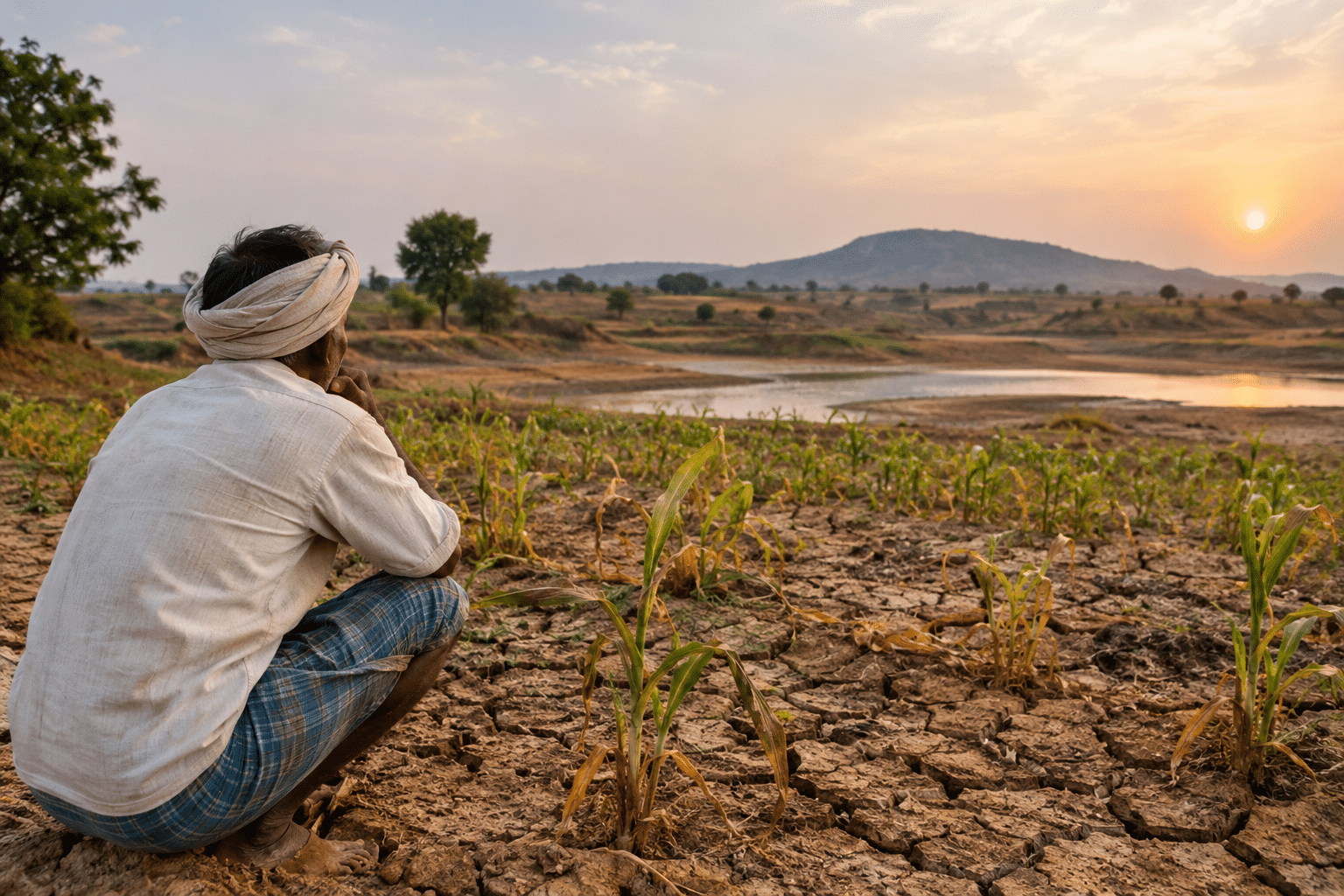
Below-average and uneven rainfall has affected farming conditions across several parts of Karnataka. The shortage is creating pressure on crop production, livestock, fodder availability and groundwater recharge.
According to the state government, 177 taluks have now been declared drought-affected, following assessments carried out under the national drought management framework. The government has also indicated that the number could increase as the southwest monsoon season comes to an end.
The wider rainfall situation has also raised concerns across India. Recent reports indicate that prolonged dry spells and weak rainfall have increased stress on crops in several agriculture-dependent regions.
Agriculture depends heavily on predictable access to water, particularly during important crop-growth stages. When rainfall becomes irregular, farmers may face challenges related to irrigation, crop health and input planning.
Lower water availability can also affect livestock and fodder supplies. At the same time, reduced groundwater recharge can create longer-term pressure on agricultural communities that depend on wells and other local water sources.
The current situation highlights the importance of water-efficient farming practices, soil conservation and better planning for changing weather conditions.
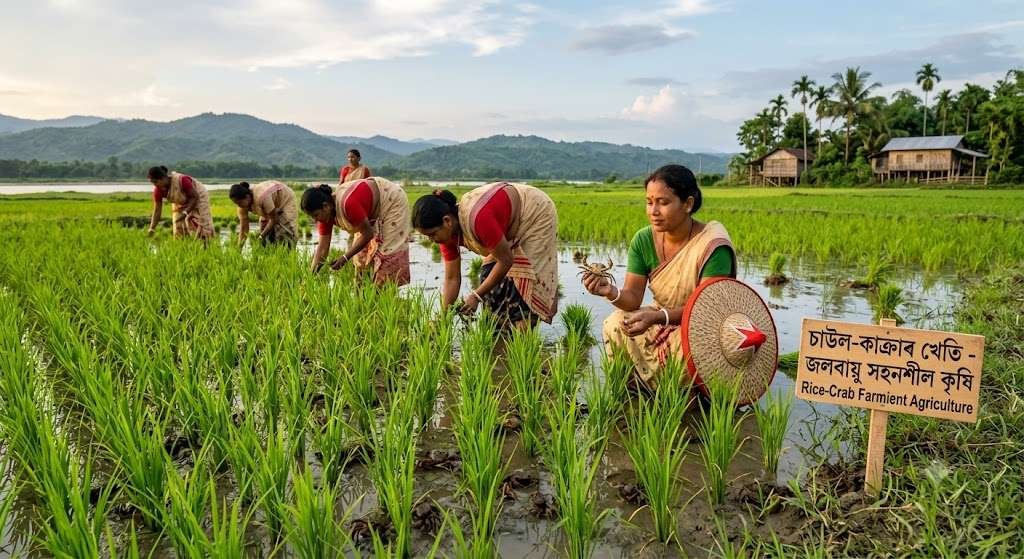
The rainfall situation is also bringing renewed attention to sustainable agriculture. Practices such as drip irrigation, rainwater harvesting, mulching, soil-moisture conservation and crop diversification can help farms manage periods of water stress.
Healthy soil plays an important role as well. Soil with better organic matter and structure can support water retention and improve resilience during dry periods. Recent agricultural discussions in India have increasingly focused on soil health, sustainable farming and technology-based approaches to improving farm productivity.
The Karnataka drought situation demonstrates how closely agriculture is connected to rainfall, water resources and local ecosystems. For farmers, improving resilience is not only about responding to drought after it occurs but also about preparing farms to handle changing weather patterns.
Better irrigation management, efficient use of natural resources and stronger soil health can help agricultural land remain productive through periods of rainfall uncertainty.
As Karnataka moves towards the end of the 2026 southwest monsoon, the focus is now shifting towards drought relief, water management and measures that can support farmers through the coming agricultural seasons.
For the farming sector, the situation reinforces an important lesson: healthy soil, responsible water management and sustainable agricultural practices are becoming increasingly important for the long-term resilience of farms.