Farms
Farm updates, plot launches and news from Mogg's managed estates across Karnataka.
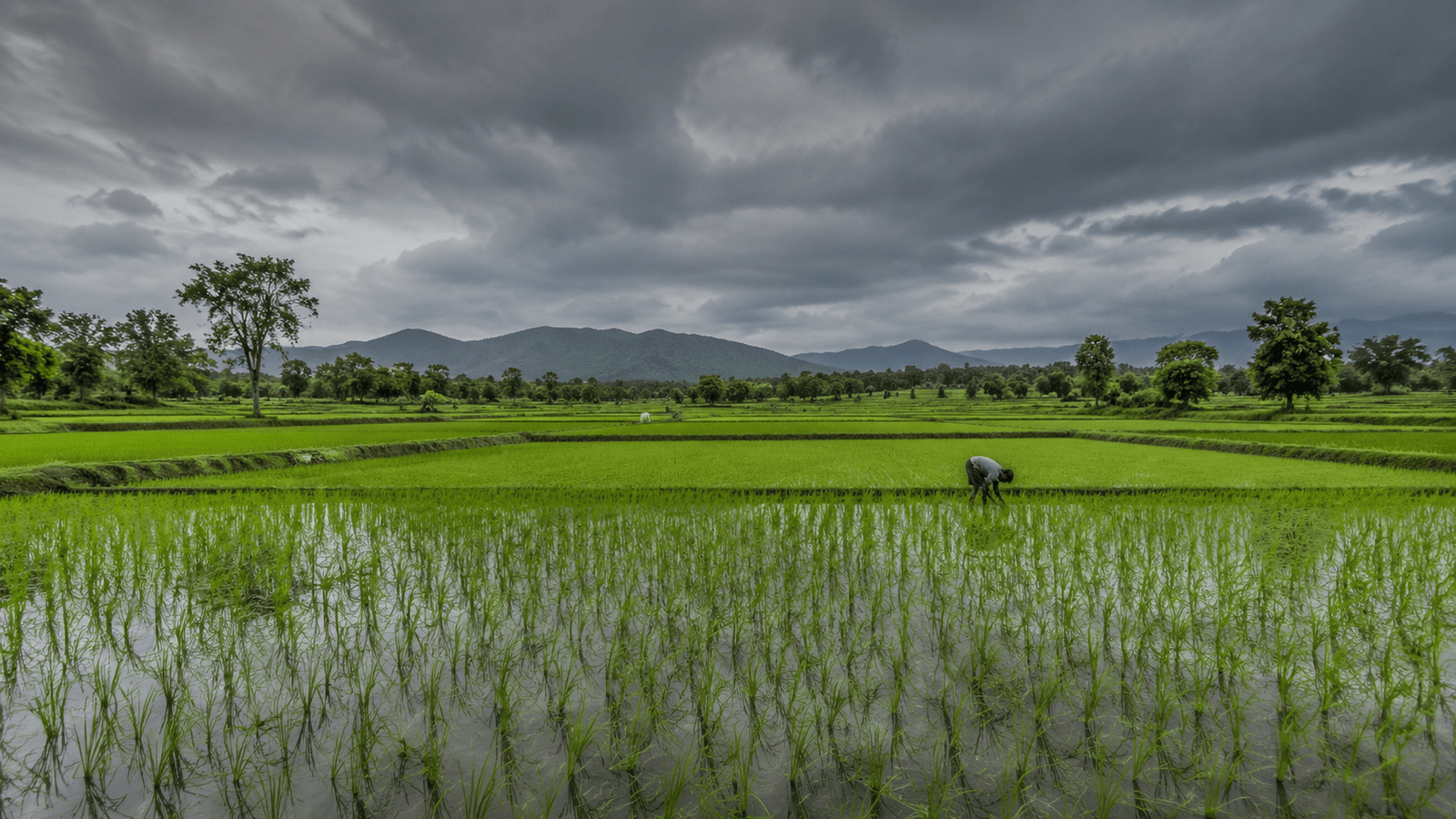
Kharif Crop Sowing Bounces Back Across India Following Strong July Monsoon Surge
Agricultural activity across India has staged a sharp recovery following a strong resurgence in monsoon rainfall through July. After an extended dry spell in June raised concerns over seasonal output, widespread precipitation has enabled farmers to accelerate planting, bringing total Kharif sown area to 89.42 million hectares by early August. The rapid turnaround has virtually erased the double-digit sowing deficit recorded during the initial weeks of the season.
More in Farms

Agrivoltaic Farming in India: How Farms Could Produce Food and Solar Energy Together
Farms Could Have a New Source of Income Indian farms are facing a changing economic and climate landscape. Farmers must manage crop costs, water availability, weather risks and changing market conditions. A new approach called agrivoltaic farming is gaining attention in India. It combines agriculture and solar power on the same land. The idea is simple. Solar panels are installed above or alongside crops, allowing farmers to continue cultivation while also producing renewable electricity. The approach is being discussed as India looks for ways to improve farm income and land-use efficiency.

Farmer Producer Organisations Increase Agri Trade on NCDEX as Digital Markets Expand
FPOs Increase Agricultural Trade on NCDEX Farmer Producer Organisations are becoming more active in India's organised agricultural markets. During the first five months of the 2026–27 financial year, 75 FPOs traded around 0.15 million tonnes of agricultural commodities on NCDEX. The total value of these trades reached about ₹57 crore between April and August 2026. The growth shows how farmer collectives are exploring digital commodity markets to sell agricultural produce and access new marketing options. The development could strengthen the connection between farmers, commodity markets and organised agricultural trade.

India-Built AI Models Take Indian Farming Technology to 11 Countries
Artificial intelligence is finding a bigger role in agriculture. Now, technology developed with India’s farming landscape in mind is reaching countries beyond India. Google DeepMind’s Agricultural Landscape Understanding (ALU) and Agricultural Monitoring & Event Detection (AMED) models are being tested by partners across 11 countries in Asia-Pacific and Africa.

Karnataka Streamlines Farmland Inheritance: Digital Succession to Unlock Ancestral Acreage for Urban Heirs
In a major reform aimed at dismantling bureaucratic hurdles and mitigating long-standing title disputes, the Karnataka Revenue Department has upgraded its flagship Bhoomi digital portal to streamline agricultural land succession and inheritance mutation.
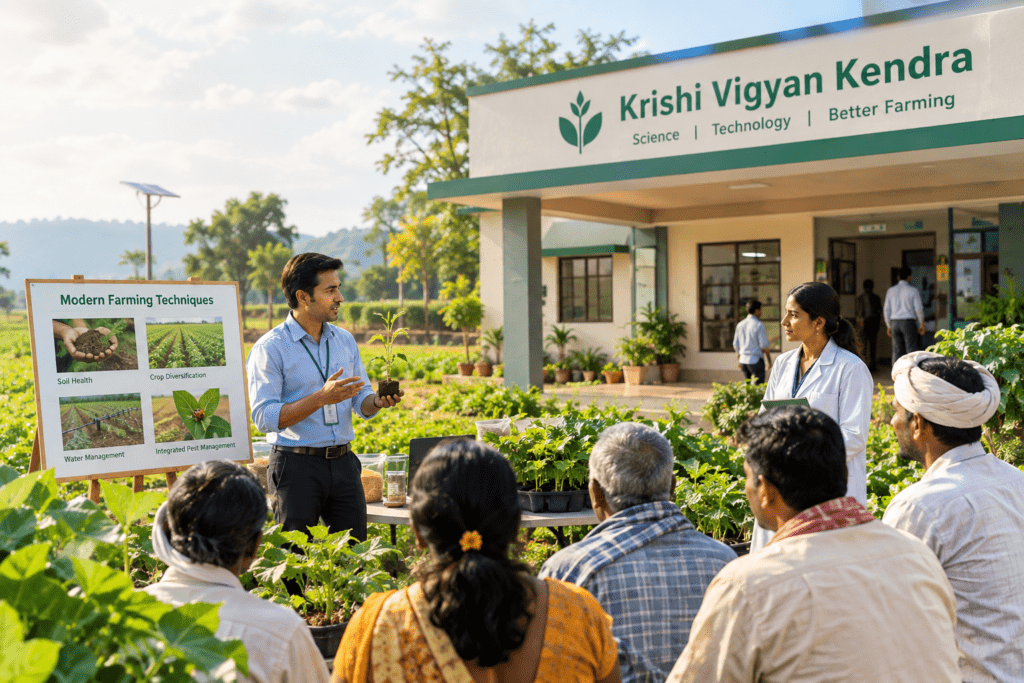
Krishi Vigyan Kendras Set for Major Upgrade as Government Approves Staff and Infrastructure Reforms
India is preparing for a major upgrade of its Krishi Vigyan Kendras (KVKs), the farm science centres that connect agricultural research with farmers. The government has approved changes to staff pay scales, allowances and promotion rules. It also plans to strengthen infrastructure and staffing across KVKs. Why KVKs Matter to Indian Farmers KVKs play an important role in taking new agricultural knowledge to the field. They help farmers understand improved cultivation methods, farm technologies, crop practices and emerging challenges. The latest reforms aim to make these centres better equipped to support farmers at the district level.
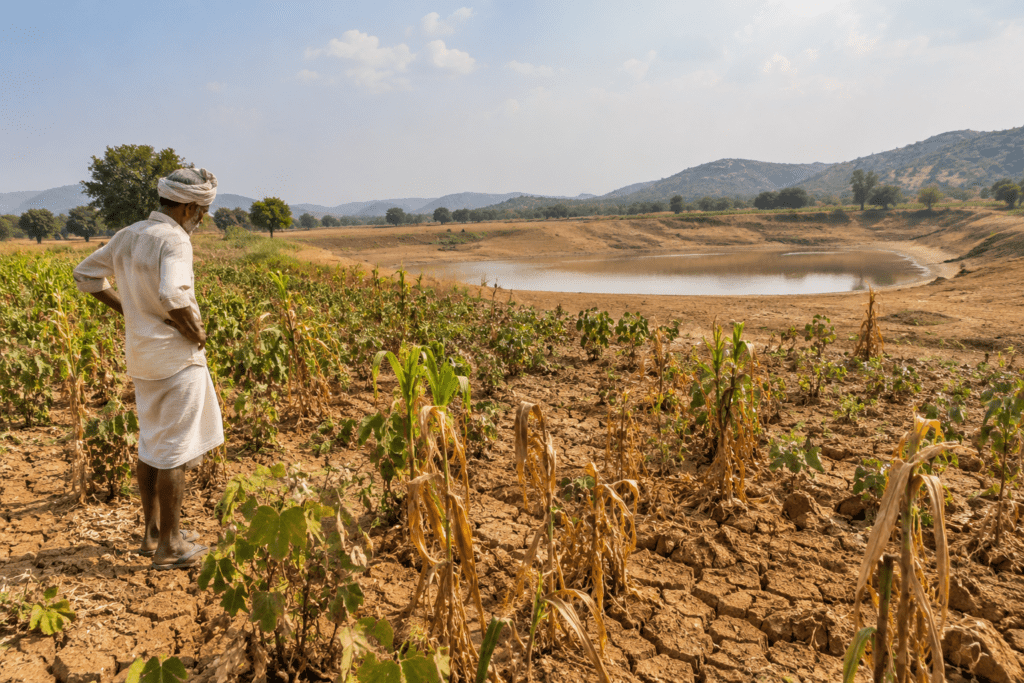
Karnataka Farms Face Growing Drought Risk as 122 Taluks Go Without Rain
Karnataka Farms Under Pressure as Rainfall Deficit Deepens Karnataka’s farms are facing increasing pressure as the state continues to experience a weak monsoon. As of September 7, 2026, 122 taluks have reportedly received no rain for three consecutive weeks. The prolonged dry spell is raising concerns over agricultural and horticultural production across the state. Officials estimate that around 50% of agricultural and horticultural harvests could be affected if the rainfall situation does not improve. The concern is particularly important for farmers who depend on the monsoon for crop growth and soil moisture. Drought Risk Is Spreading Across Karnataka

Cotton Farmers Could Get Better Price-Risk Tools as NCDEX and CAI Sign Five-Year Partnership
India is taking a new step to strengthen its cotton market. The National Commodity and Derivatives Exchange (NCDEX) has signed a five-year strategic partnership with the Cotton Association of India (CAI) to expand participation in cotton derivatives and improve price discovery. The partnership aims to give farmers and other participants in the cotton supply chain better tools to manage price risks. It will also focus on creating greater awareness about futures markets. The development comes at a time when India remains one of the world's largest cotton producers, but its fragmented physical markets and relatively low use of derivatives have limited its influence on global cotton price discovery.

India’s Tractor Market Gains Momentum as Sonalika Records 12,581 Sales in August 2026
India’s agricultural sector is seeing another sign of strong activity. Sonalika Tractors recorded its highest-ever August sales of 12,581 tractors in 2026. The company said its growth was 1.9 times the estimated growth of the overall tractor industry during the month. The company also reached a new production record. Its Hoshiarpur facility in Punjab produced 18,067 tractors in August. The higher production comes as manufacturers prepare for increased demand during the upcoming festive season. The numbers highlight an important trend for Indian agriculture. Modern farm machinery continues to play a major role in improving farm productivity and reducing manual work.

Karnataka Eases Inheritance Process for Non-Resident Heirs of Agricultural Land
For families with agricultural land in Karnataka, managing inheritance from another state or country may soon become easier. The Karnataka government has simplified the procedure for transferring inherited agricultural land records into the names of legal heirs who live outside the state. The Revenue Department amended the guidelines for Pauti Khata, the process used to mutate agricultural land records after the death of a landowner. The changes are aimed at helping legal heirs living in other states and abroad complete the process with fewer administrative hurdles.
