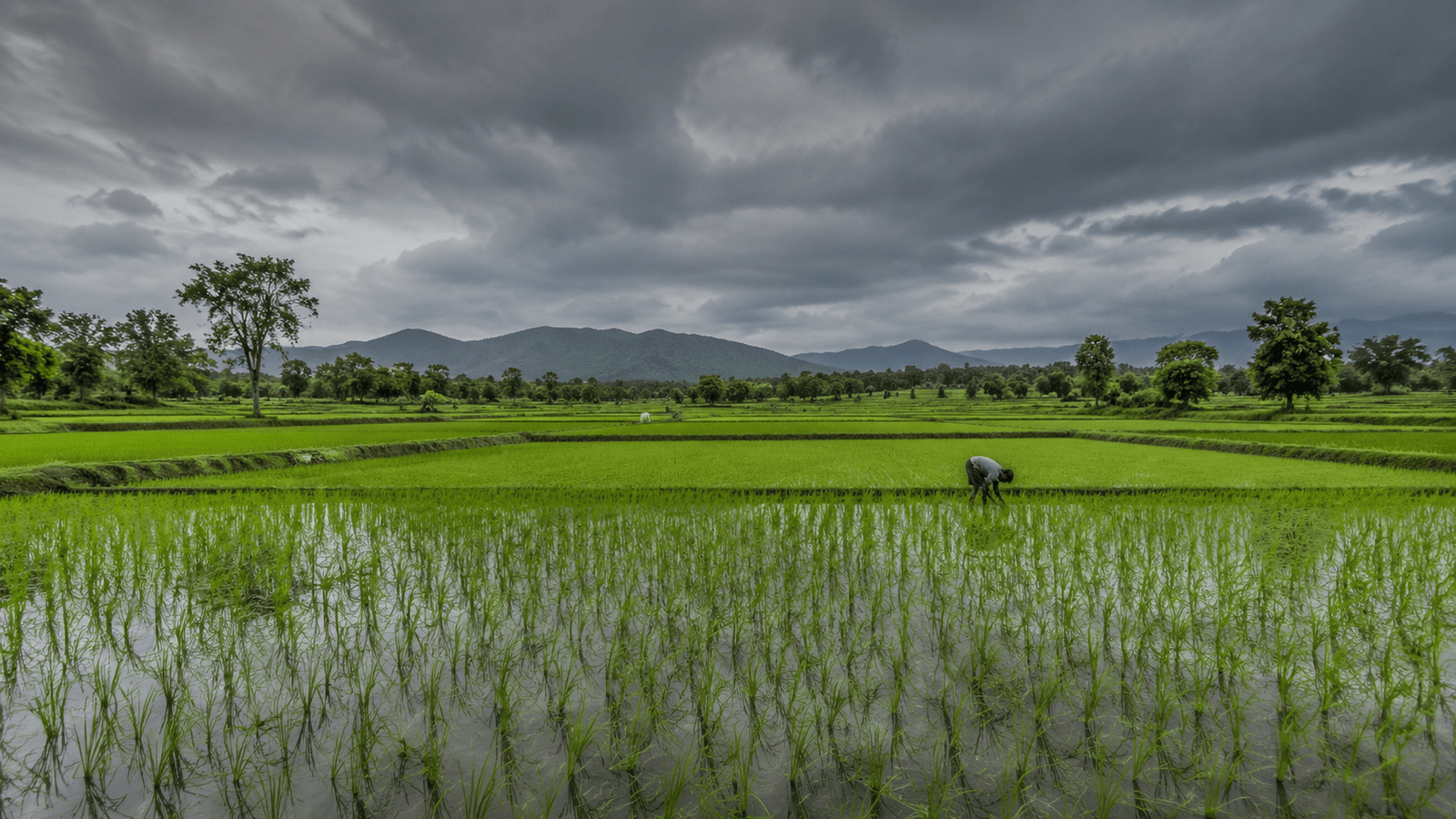
Agricultural activity across India has staged a sharp recovery following a strong resurgence in monsoon rainfall through July. After an extended dry spell in June raised concerns over seasonal output, widespread precipitation has enabled farmers to accelerate planting, bringing total Kharif sown area to 89.42 million hectares by early August.
The rapid turnaround has virtually erased the double-digit sowing deficit recorded during the initial weeks of the season.
The recovery in planting momentum spans major crop categories, with central and northern agricultural states benefiting significantly from improved soil moisture levels.
Closing the Deficit: Broad-based rainfall across key agrarian regions allowed cultivators to catch up on delayed operations, stabilizing overall seasonal targets.
Paddy & Pulses Lead Progress: Essential foodgrain and pulse belts in central and northern India witnessed a rapid expansion in acreage as field preparation resumed at full scale.
Beyond supporting seasonal crop yields, the sustained distribution of monsoon rains yields crucial long-term benefits for rain-fed farmland assets:
Groundwater Recharge: Consistent precipitation across central and northern belts has replenished shallow aquifers, helping stabilize water tables ahead of the upcoming post-monsoon cycle.
Yield Expectation Stability: Reliable moisture availability reduces the reliance on supplementary diesel irrigation, keeping operational expenditures under control and safeguarding farm gate revenues.
Asset Value Resilience: Secure water supply and predictable cropping patterns reinforce land productivity, supporting long-term valuation stability for rural acreage across key farming corridors.