India’s agricultural sector is seeing another sign of strong activity. Sonalika Tractors recorded its highest-ever August sales of 12,581 tractors in 2026. The company said its growth was 1.9 times the estimated growth of the overall tractor industry during the month.
The company also reached a new production record. Its Hoshiarpur facility in Punjab produced 18,067 tractors in August. The higher production comes as manufacturers prepare for increased demand during the upcoming festive season.
The numbers highlight an important trend for Indian agriculture. Modern farm machinery continues to play a major role in improving farm productivity and reducing manual work.
Sonalika sold 12,581 tractors during August 2026. This was the company’s best August performance so far.
The figure is also higher than its August 2025 sales of 10,932 tractors. That represents growth of about 15% year over year.
The company said its sales growth was around 1.9 times the estimated growth of the overall tractor industry.
This performance comes at an important time for farmers. The months ahead include the festive season, which traditionally brings higher purchasing activity across several parts of India’s rural economy.
Sales were not the only record for Sonalika.
The company produced 18,067 tractors in August 2026 at its manufacturing facility in Hoshiarpur, Punjab. This was its highest monthly production figure to date.
Higher production can help manufacturers maintain inventory before periods of stronger demand.
For farmers, timely availability of machinery can be important. Tractor requirements can vary by region, crop and farming activity. Manufacturers therefore need to respond quickly to changing demand.
Sonalika said its manufacturing, products and dealership network are being aligned with requirements across different farming applications and regions.
Tractors are more than farm vehicles.
They support several important agricultural activities. These include:
Mechanisation can help farmers complete these tasks more efficiently. It can also reduce dependence on manual labour for several operations.
India remains one of the world’s largest tractor markets. Demand for tractors is closely linked to agricultural activity, rural incomes and seasonal conditions.
As farming practices become more mechanised, agricultural machinery is becoming an increasingly important part of the rural economy.
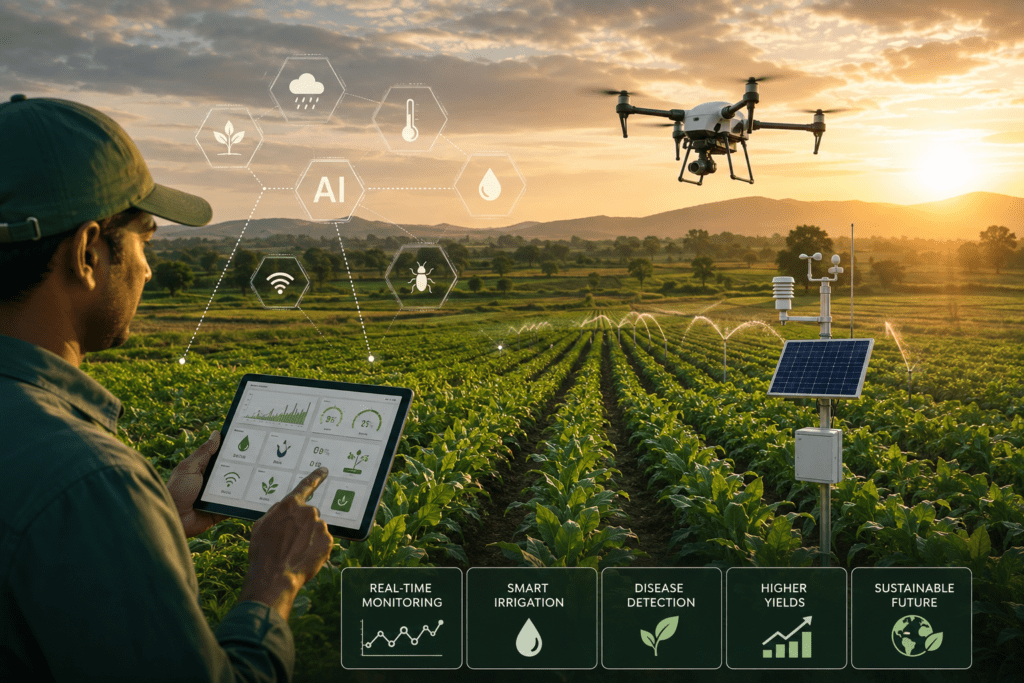
Today’s tractors are also becoming more technology-focused.
Farmers increasingly look for machinery that can handle different applications while offering better efficiency. Manufacturers are responding with new tractor ranges and technology-led features.
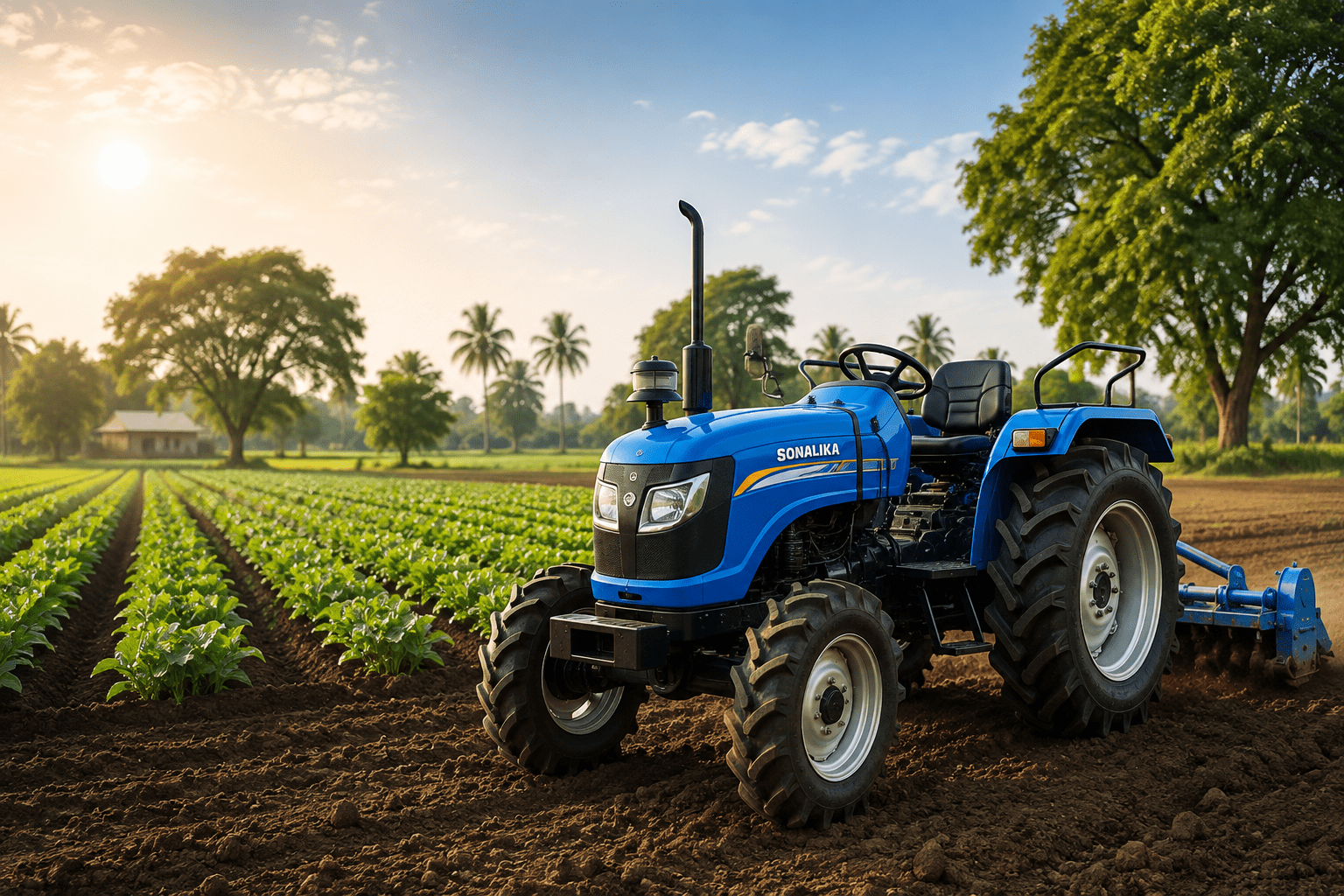
Sonalika has highlighted its Gold series tractors as part of its current product portfolio. The company says its product range is designed to meet different farming requirements across regions.
This shift is significant for Indian agriculture.
Technology is no longer limited to large farms. Smaller and medium-sized agricultural operations are also exploring ways to improve productivity and reduce operating challenges.
The timing of Sonalika’s record production is also significant.
India’s festive season is approaching. Tractor companies often prepare inventory ahead of this period because farmer demand can increase during the season.
Sonalika said its record production was part of its preparation to meet upcoming farmer demand.
The company has also introduced a festive sales campaign for its tractor range.
However, tractor demand can change quickly. Factors such as rainfall, crop prices, rural income, government support and farm activity can influence purchasing decisions.
Therefore, strong August sales are a positive signal, but they do not guarantee that demand will remain at the same level throughout the year.
The rise in tractor sales offers a broader view of India’s agricultural economy.
When farmers invest in machinery, it can indicate confidence in future farm activity. It can also reflect a growing need for faster and more efficient agricultural operations.
Farm mechanisation can be particularly useful when farmers manage larger areas of agricultural land. It can help reduce the time required for repetitive tasks and improve operational efficiency.
At the same time, machinery is only one part of successful farming.
Good soil management, reliable water availability, suitable crops and proper farm management remain essential. Modern agriculture increasingly depends on combining these elements rather than relying on a single solution.
Developments in farm machinery also bring attention to the changing nature of agricultural assets in India.
Farmland is not simply a piece of land. When managed properly, agricultural land can support farming activity, plantations and other productive uses.
This is one reason managed farmland is gaining interest among people who want to combine land ownership with professional farm management.
For buyers exploring farmland near Bengaluru, factors such as location, water availability, soil quality, access and professional management can be important considerations.
The growth of agricultural technology makes this connection even more relevant. Better machinery and farm management systems can help make agricultural operations more organised and efficient.
Bengaluru’s rapid urban growth has increased interest in farmland located outside the city.
Areas surrounding Bengaluru offer access to agricultural land while remaining connected to the city’s expanding road network. This has contributed to growing interest in weekend farms, managed farmland and agricultural lifestyle properties.
However, buyers should look beyond location alone.
Before purchasing farmland, it is important to understand the land records, title, water availability, accessibility and permitted land use. The quality of farm management is also important when the property is intended to remain productive.
For managed farmland projects, professional support can make a difference. Farm maintenance, plantation care, irrigation and harvesting require consistent attention.
Sonalika’s August performance is an encouraging development for India’s farm machinery sector.
The company recorded 12,581 tractor sales and 18,067 tractors in production during August 2026. Both figures set new August or monthly records for the company.
The results also arrive ahead of the festive season, when demand could receive further support.
For Indian agriculture, the bigger story is the continued move towards mechanisation. Farmers are adopting better tools to manage agricultural operations with greater efficiency.
As technology, farm management and agricultural infrastructure continue to develop, India’s farming landscape is likely to become increasingly organised and productive.
For people looking at agricultural assets, these changes are worth watching. The future of farming will depend not only on land, but also on how effectively that land is managed.