More than 2.15 lakh students from urban schools and pre-university colleges in Karnataka are set to experience rural life this academic year.
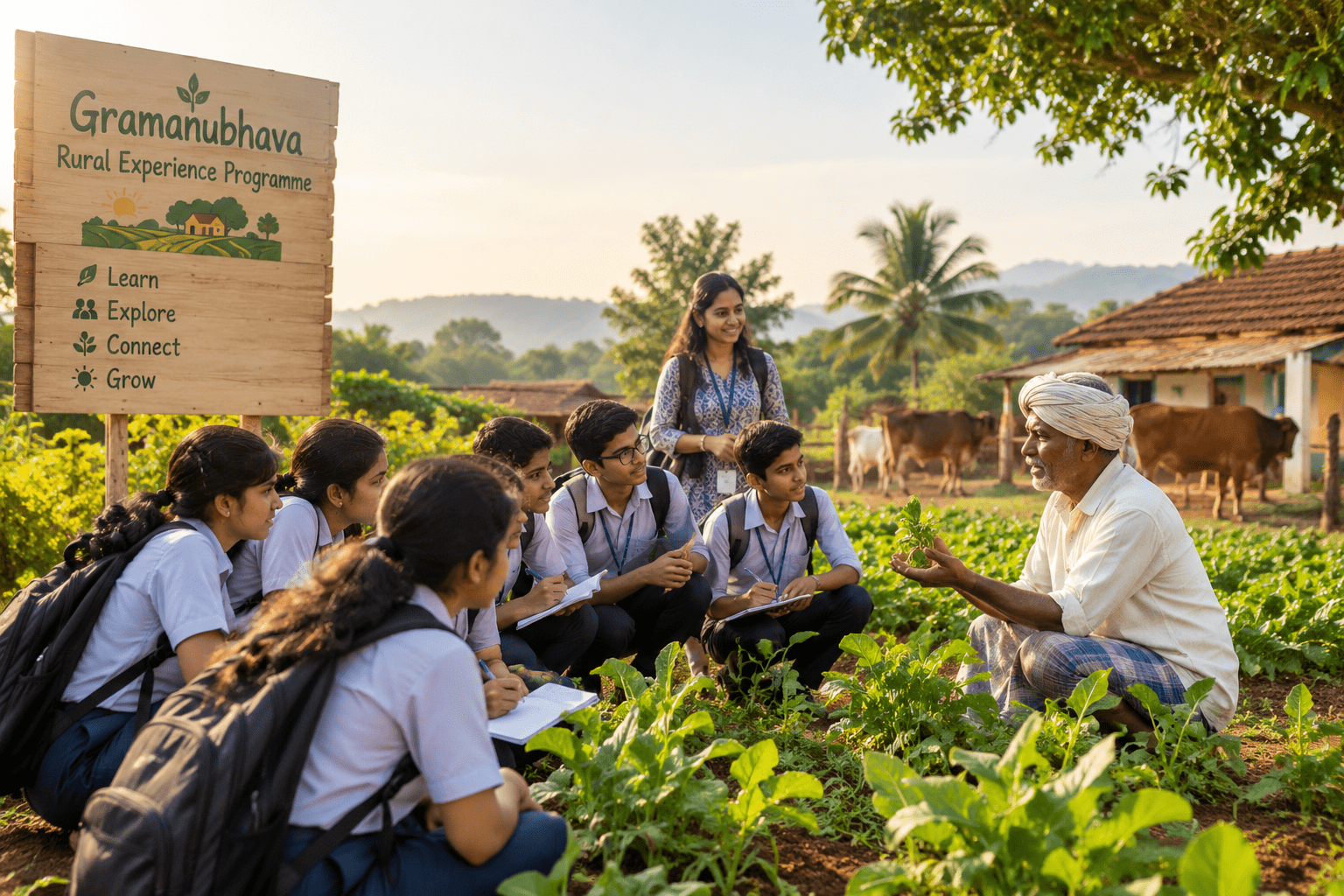
The Karnataka government has approved a new ‘Gramanubhava’ Rural Experience Programme. The initiative will take students beyond classrooms and into villages, farms and rural communities between September and December 2026.
The programme will involve students from 931 urban educational institutions.
Instead of a conventional educational trip, students will spend one night and two days in rural areas. They will take part in structured activities for six to eight hours during their stay.
The idea is simple. Students will learn by seeing, doing and interacting with people who live and work in rural communities.
The programme will give students direct exposure to agriculture and rural livelihoods.
Students will interact with farmers and their families. They will also learn about:
They will also visit Farmer Producer Organisations, self-help groups and demonstration units.
The experience will not stop at cultivation.
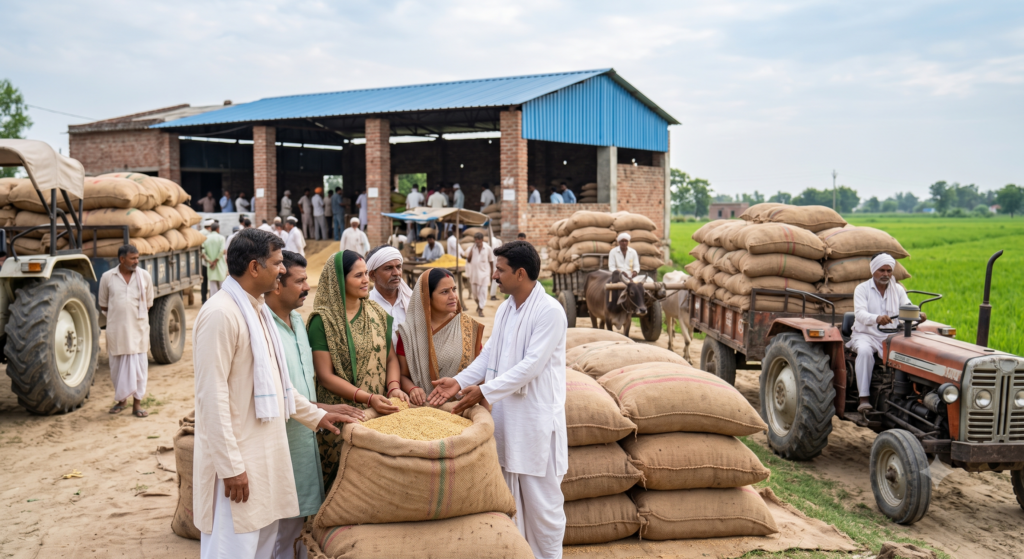
Students will also learn about what happens after crops leave the farm. This includes sorting, packaging and marketing.
Such activities can help young people understand how food moves from farms to consumers.
It also introduces students to the people and processes behind everyday food.
The Gramanubhava programme will also introduce students to rural culture.
Students will have opportunities to explore local arts, traditional crafts, heritage and indigenous knowledge systems.
They will maintain learning journals and worksheets during the programme. These activities will encourage students to record what they see and reflect on their experiences.
The programme covers government, aided and private unaided institutions.
According to the government plan, the participating institutions include:
More than 49,000 students from government institutions are expected to participate. Another 19,000-plus students are from aided institutions, while over 1.47 lakh students are eligible from private unaided institutions.
The programme also includes safety requirements for participating students.
Selected farms and learning centres must be inspected and certified as safe by officials from the Agriculture and School Education departments.
Learning centres are expected to be within a 50-kilometre radius of the participating school.
Parental consent will also be mandatory. School heads and accompanying teachers will remain responsible for student safety during the visits.
The experience will continue even after students return to their schools.
Between January and February 2027, students will undertake follow-up projects based on what they learned.
These may include models, school nutrition gardens, presentations and exhibitions.
This second stage is designed to turn a short rural visit into a longer learning experience.
For many urban children, farming can feel distant from everyday life.
Yet food, water, soil and agriculture remain closely connected to daily living.
By allowing students to spend time with farming families, the programme aims to build a better understanding of rural communities and their challenges.
It also gives young people a chance to experience a slower, more hands-on way of learning.
Urban life is becoming increasingly connected to technology and indoor experiences.
At the same time, interest in nature, sustainability and experiential learning is growing.
Programmes such as Gramanubhava offer students a chance to reconnect with the physical processes behind food and rural life.
The initiative could therefore become more than an educational programme. It can give a younger generation a deeper appreciation of farming, nature and the communities that support India’s food systems.