Climate has always influenced Indian agriculture, but the return of El Niño weather conditions is expected to place even greater pressure on traditional farming systems. Reduced rainfall, unpredictable monsoons, and longer dry spells are creating serious challenges for rain-fed agriculture across central and southern India.
While these weather patterns may impact crop production in many regions, they are also changing how investors view agricultural land. Instead of treating farmland as a passive asset, many high-net-worth individuals (HNWIs), institutional investors, and long-term wealth managers are increasingly looking at professionally managed farmland as a resilient, income-generating investment.
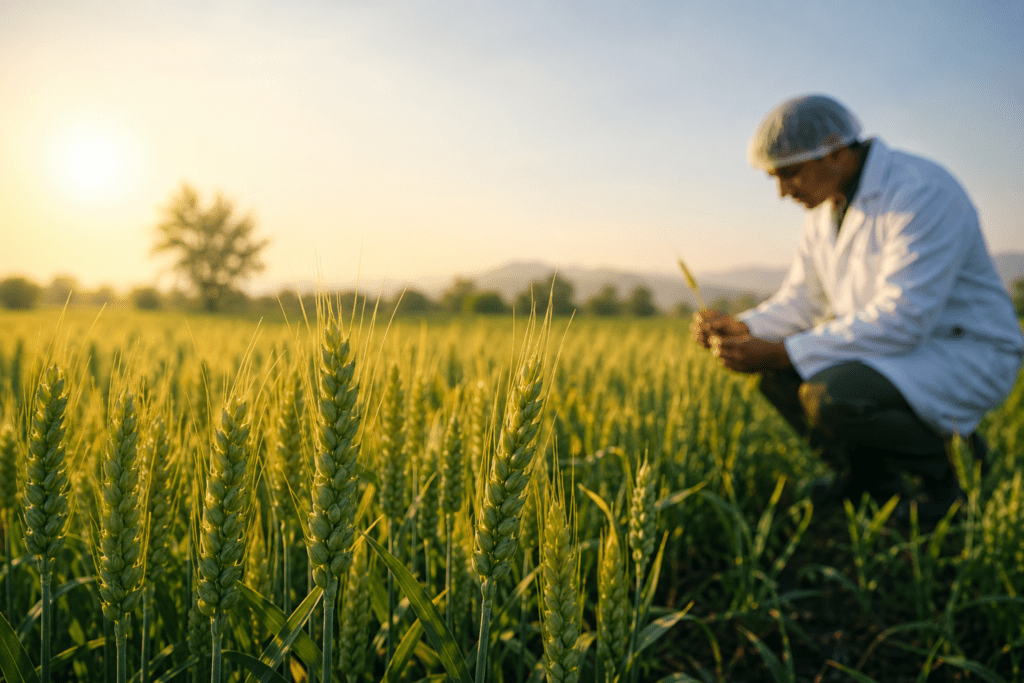
Unlike conventional farms that rely heavily on seasonal rainfall, managed farmland projects equipped with modern irrigation, scientific crop planning, and sustainable water management are proving far better prepared to handle climate uncertainty. As a result, climate resilience is becoming an important factor in determining farmland value across India.
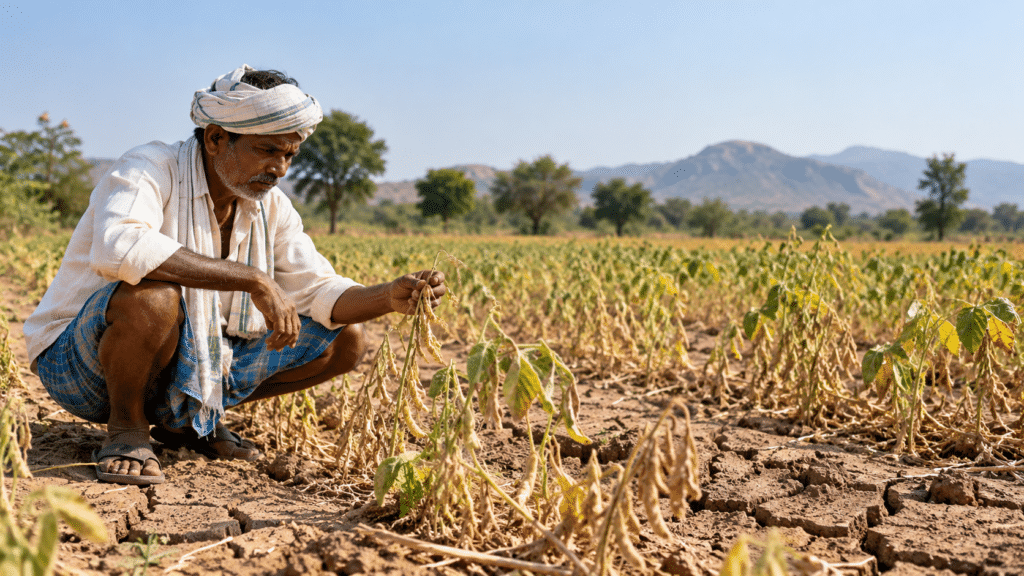
Extended dry spells often have a significant impact on traditional agricultural land, particularly in rain-dependent regions of Karnataka, Maharashtra, and Telangana. During prolonged droughts, many farmers experience declining yields, reduced profitability, and in some cases, distress sales that put downward pressure on land prices.
Managed farmland follows a different model.
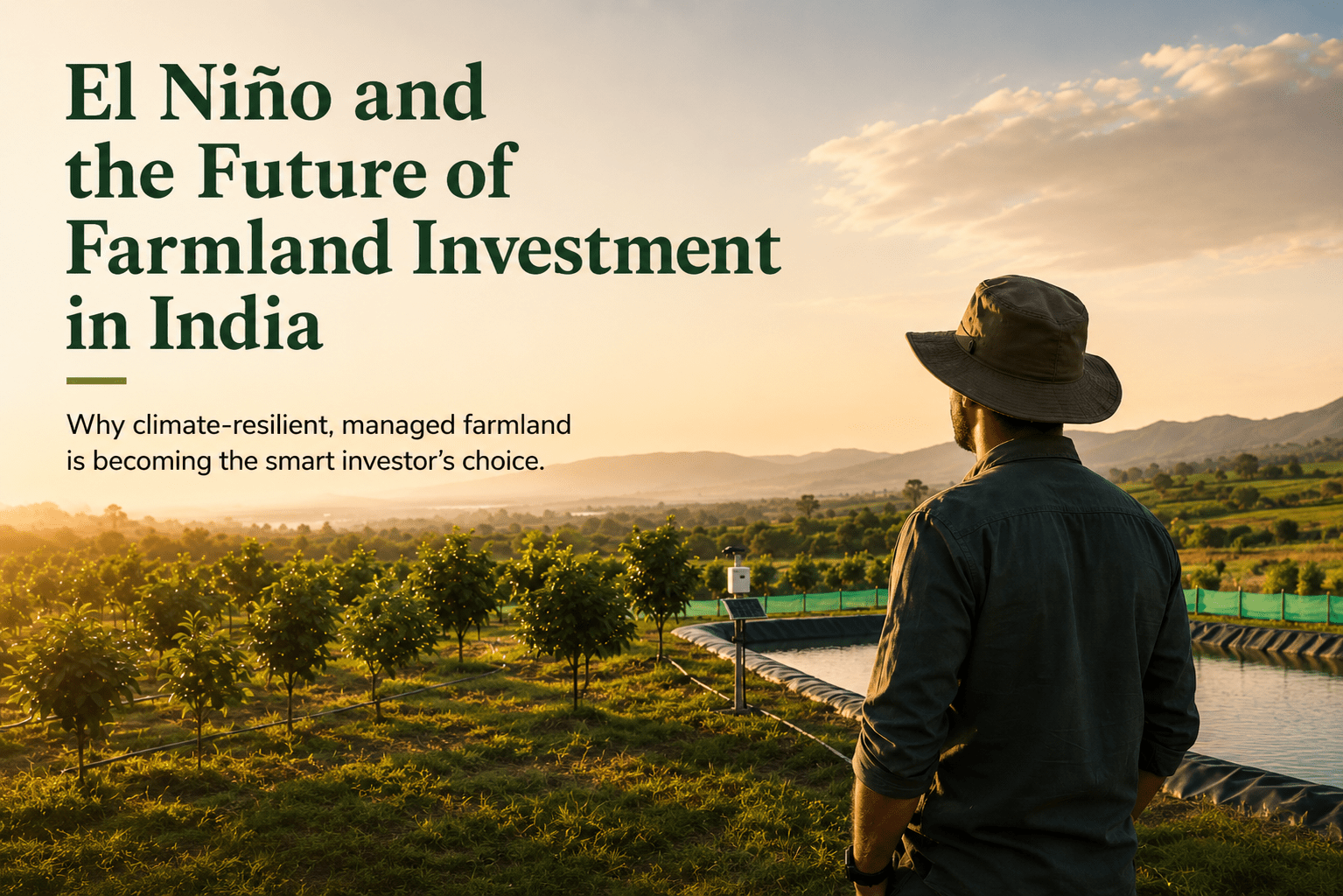
Projects located in emerging growth corridors such as the Bengaluru–Mysuru region and the outskirts of Hyderabad typically integrate long-term water planning, structured land development, and diversified crop cultivation. Investments in drip irrigation, groundwater recharge systems, and high-value crops such as avocados, dragon fruit, timber plantations, and other horticultural produce help stabilize both productivity and long-term returns, even when rainfall becomes unpredictable.
Rather than depending on a single seasonal crop, these projects are designed to create more consistent income over multiple years.
For any farmland investment, legal due diligence remains one of the most important steps.
India’s agricultural land regulations vary from state to state, making clear title verification essential before purchasing land. Digital land record platforms such as Karnataka’s Bhoomi, Maharashtra’s MahaBhulekh, and Telangana’s Dharani have made ownership verification significantly more transparent.
Professional managed farmland projects generally place strong emphasis on clear land titles, regulatory compliance, and documented ownership, reducing legal uncertainty for investors. A well-verified asset not only minimizes future disputes but also improves the long-term financial value of the investment.
Modern agriculture is increasingly driven by technology, especially in professionally managed estates.
Many managed farmland projects now utilize solar-powered drip irrigation systems, automated watering schedules, soil moisture sensors, and weather-based monitoring to improve water efficiency and reduce waste. Precision agriculture tools, including drone-assisted monitoring and IoT-enabled soil analysis, allow operators to respond quickly to changing field conditions while optimizing fertilizer and water usage.
Government support for micro-irrigation has further accelerated the adoption of these technologies, enabling farms to maintain productivity even during challenging weather cycles.
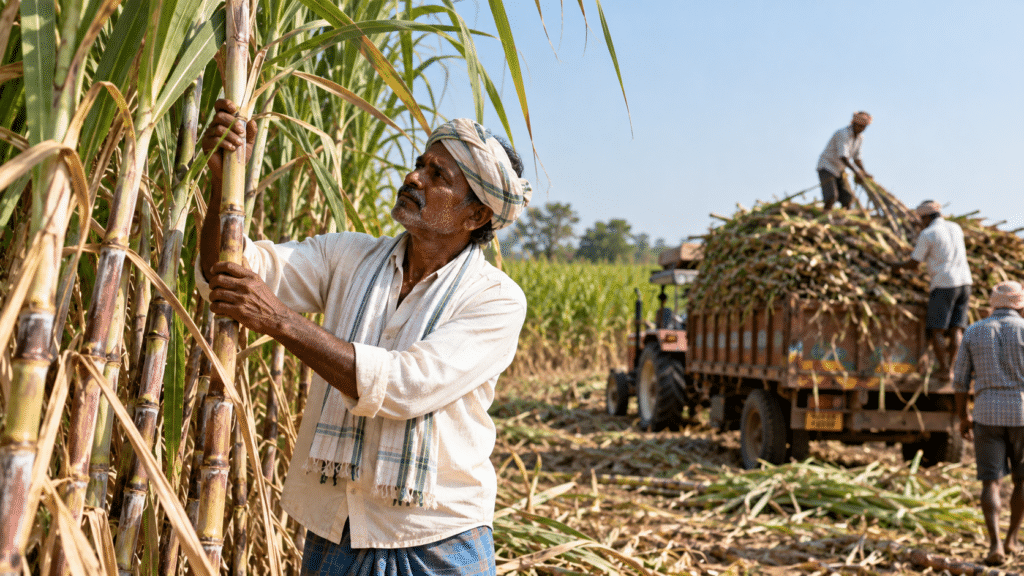
Traditional crops such as paddy and sugarcane often experience considerable fluctuations in income during weak monsoon years. Lower yields combined with rising input costs can significantly reduce profitability.
Managed farmland projects generally focus on diversified horticulture, agroforestry, and perennial plantations that generate more predictable cash flows over longer investment horizons. Additional value is often created through post-harvest processing, storage infrastructure, and direct market access, reducing dependence on volatile commodity prices.
For long-term investors, this diversified approach offers a more stable income profile while also creating opportunities for capital appreciation.
One of the biggest trends emerging from climate uncertainty is the growing importance of infrastructure.
Farmland located near expanding urban corridors, supported by reliable water resources and sustainable land development, is attracting increasing investor interest. Rather than viewing drought-affected land as a liability, experienced developers are investing in water harvesting systems, soil regeneration, groundwater recharge, and renewable energy infrastructure to improve agricultural productivity.
These improvements not only increase farming efficiency but also enhance the long-term value of the underlying land asset.
The return of El Niño serves as a reminder that climate resilience is becoming a defining characteristic of successful agricultural investments.
As weather patterns become more unpredictable, the gap between traditional rain-fed farmland and professionally managed agricultural estates is likely to widen. Investors are no longer evaluating farmland solely on location or acreage—they are increasingly considering water security, legal transparency, infrastructure, and modern farm management practices.
Farmland projects that combine verified land ownership, efficient irrigation systems, sustainable farming techniques, and technology-driven operations are well positioned to deliver long-term value in an evolving agricultural landscape.
For investors seeking a combination of asset appreciation, resource security, and stable income potential, managed farmland is emerging as one of the most compelling long-term opportunities in India’s rural economy.