📍 Bengaluru ENG
Mogg's News
Farmland · Land & Investment · Bengaluru
Advertisement
Advertisement
Latest
Upcoming Event: Doctor's Wellness & Wealth Conclave — August 23rdGrow your wealth with secure farmlandSubscribe now to catch every update!Upcoming Event: Doctor's Wellness & Wealth Conclave — August 23rdGrow your wealth with secure farmlandSubscribe now to catch every update!
← Home
Home Investment
Investment

Government Announces Price Hikes for Kharif Crops Ahead of Sowing Season

To support agricultural incomes and offset rising production expenses, the Union Cabinet has cleared a revision in the Minimum Support Prices (MSP) for 14 major Kharif crops for the 2026–27 marketing period.

MN
By Mogg's News Desk
Published: July 27, 2026, 09:15 IST · Updated: July 27, 2026, 14:32 IST · 5 min

NEW DELHI — To support agricultural incomes and offset rising production expenses, the Union Cabinet has cleared a revision in the Minimum Support Prices (MSP) for 14 major Kharif crops for the 2026–27 marketing period.

Under the newly approved rates, standard paddy moves up to ₹2,441 per quintal. Pulses also saw notable revisions, with pigeon pea (tur dal) set at ₹8,450 per quintal and green gram (moong) reaching ₹8,780 per quintal. According to official statements, the price structure is designed to guarantee growers a profit margin of at least 50% above estimated cultivation expenses.

The cabinet decision introduces price adjustments across primary food grains, pulses, oilseeds, and commercial crops to ensure financial return ahead of the monsoon sowing window:

Paddy: The benchmark price for common paddy rises to ₹2,441 per quintal, while Grade A paddy receives a corresponding upward revision.

Pulses & Legumes: Alongside tur dal and moong, black gram (urad) saw an increase, positioning pulse cultivation as a highly lucrative option for growers this season.
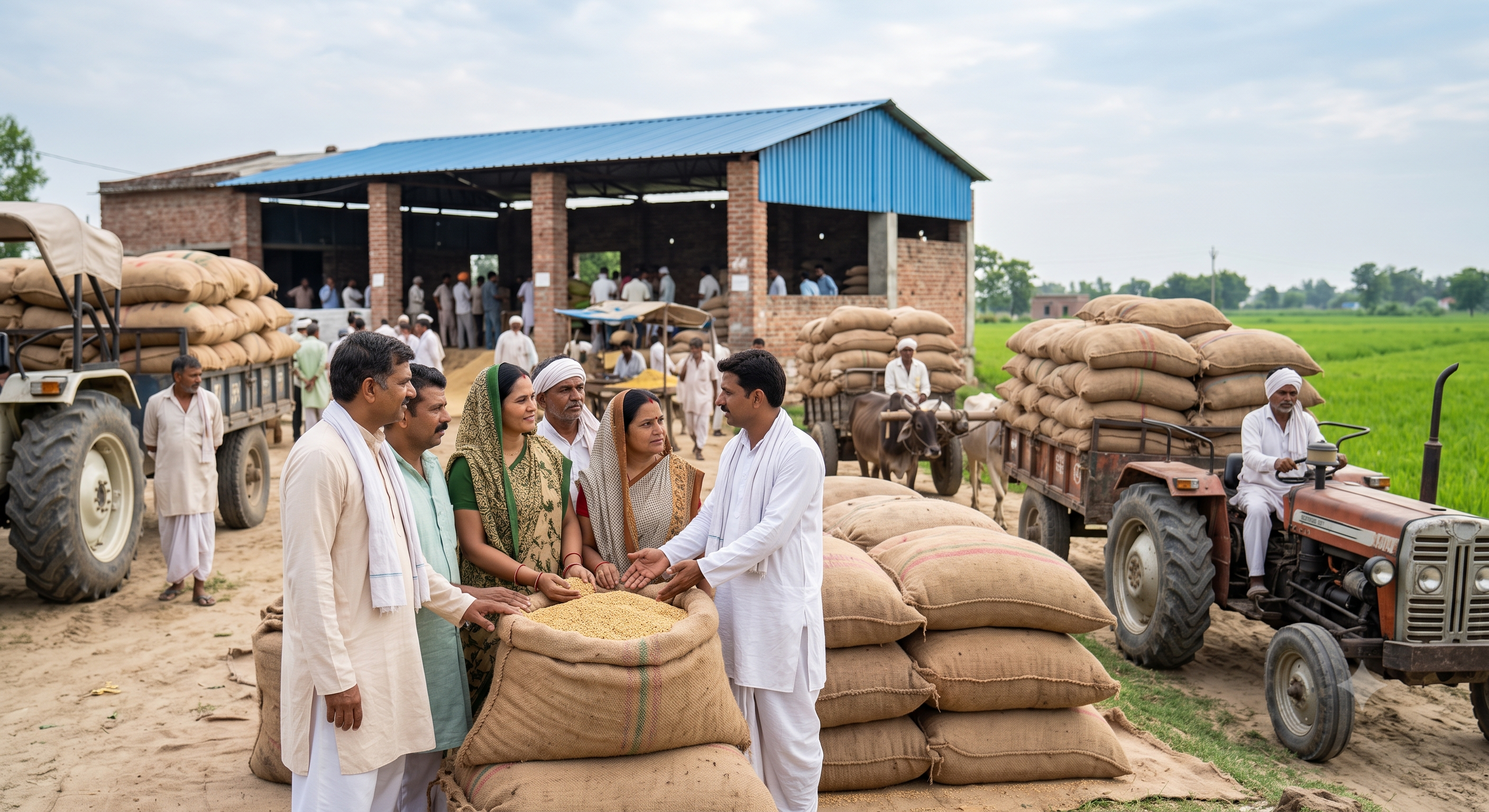
Coarse Grains & Millets: Rates for coarse grains, including maize, pearl millet (bajra), and sorghum (jowar), were elevated to encourage farming of climate-resilient crops.

Oilseeds: Sunflower seeds and groundnuts witnessed upward price adjustments aimed at spurring domestic oilseed output.

The timing of the announcement aligns with the onset of the monsoon season, giving farmers clear pricing visibility before finalizing their crop choices.

Agricultural analysts point out that higher price guarantees for pulses and oilseeds are intended to encourage farmers to diversify their fields away from water-intensive crops. Officials confirmed that government procurement agencies will begin setting up operations to purchase crops at the revised floor prices once harvesting starts later this year.
#Investment #Bangalore #ManagedFarmland #MoggsEstates
Advertisement
Advertisement

Related Stories

Investment

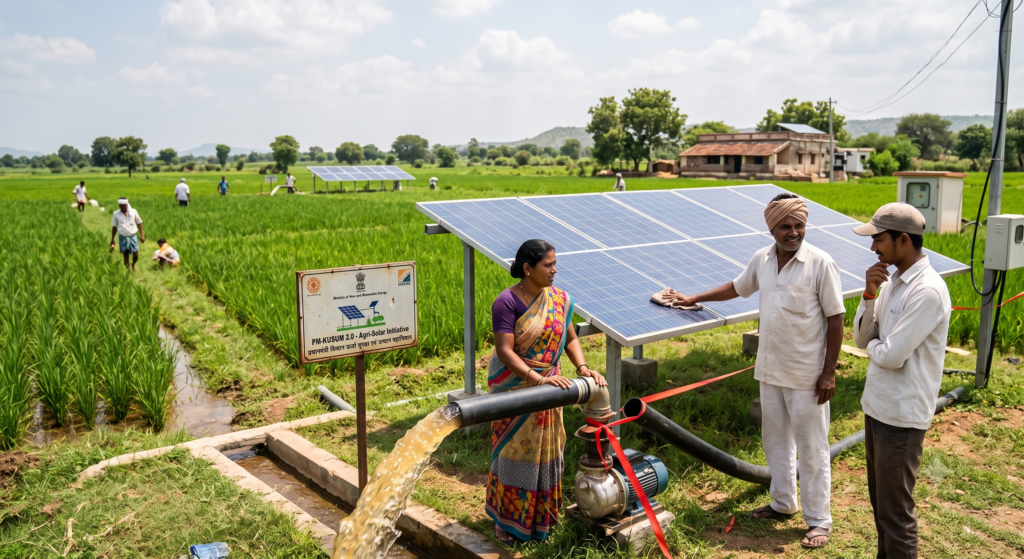
Government Prepares ‘PM-KUSUM 2.0’ to Expand Agri-Solar Power Across India

Building on the foundation of its flaghip agricultural solar program, the Ministry of New and Renewable Energy (MNRE) has unveiled plans for PM-KUSUM 2.0. The upgraded framework aims to accelerate the adoption of clean energy in the farming sector following the successful solarization of over 10 lakh agricultural pumps nationwide.

July 27, 2026 · 5 min
Investment

Farmer Producer Companies Are Changing India’s Agricultural Value Chain What Sahyadri Farms Shows

For a long time, Indian agriculture has faced a basic problem: farmers produce at small scale, while modern markets often operate at large scale. A farmer may have good land, strong farming skills and a quality crop. But reaching a distant market can still involve several challenges   aggregation, grading, storage, transportation, processing, quality control and finding reliable buyers. Farmer Producer Companies (FPCs) are emerging as one way to address that gap.

August 8, 2026 · 10 minutes
Investment

Valuing Ecosystem Services in Indian Farmland: The Rise of Natural Capital, Agritech and Sustainable Land Value

Indian farmland is entering a new phase. For decades, farmland value was judged mainly by location, soil quality, crop potential and access to growing cities. Today, investors are looking at a wider set of factors. Water conservation, soil health, tree cover, biodiversity and carbon management are becoming important parts of the farmland conversation. This shift is creating interest in natural capital and the potential economic value of ecosystem services.

August 7, 2026 · 10 minutes