Farms
Farm updates, plot launches and news from Mogg's managed estates across Karnataka.
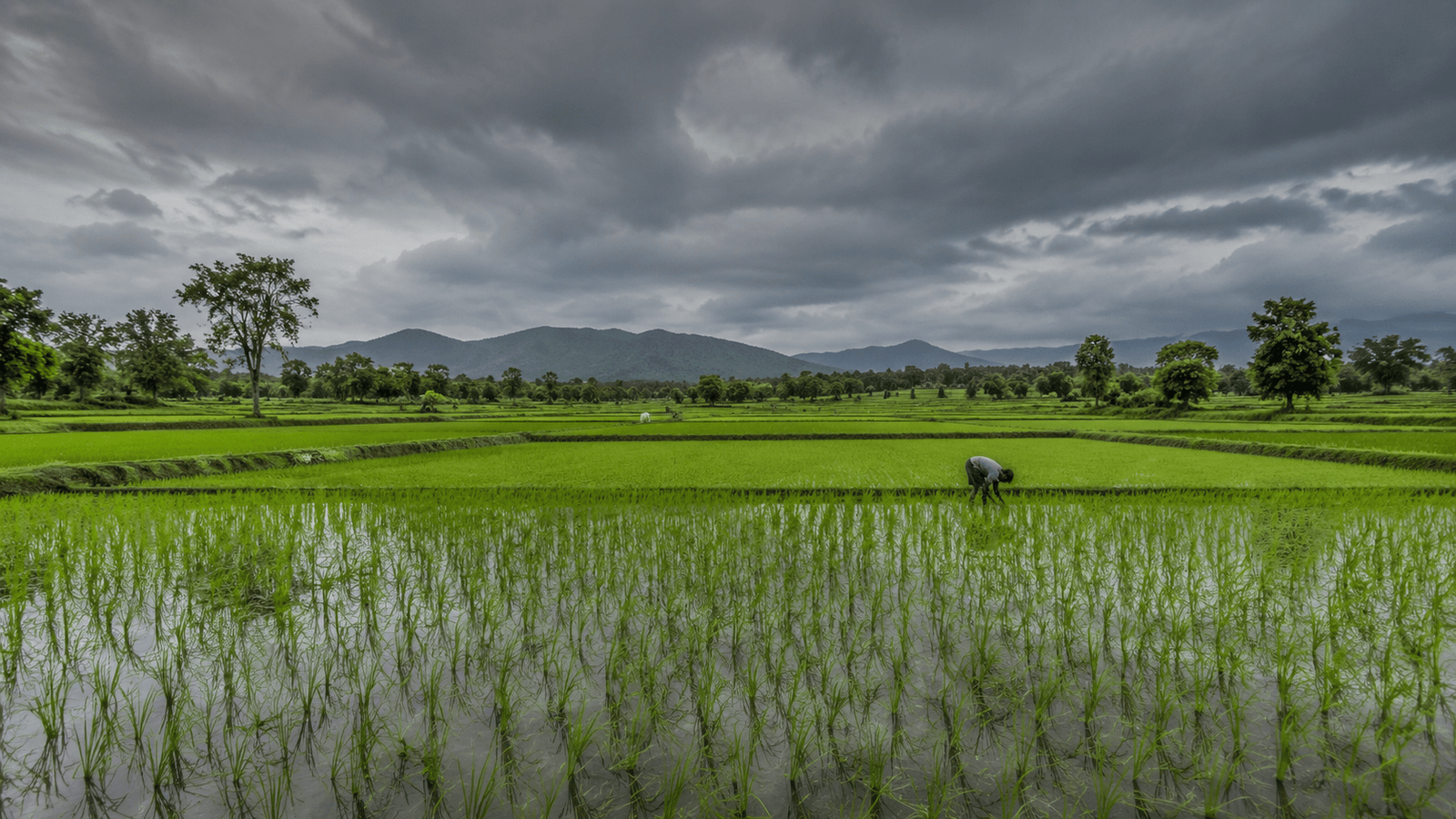
Kharif Crop Sowing Bounces Back Across India Following Strong July Monsoon Surge
Agricultural activity across India has staged a sharp recovery following a strong resurgence in monsoon rainfall through July. After an extended dry spell in June raised concerns over seasonal output, widespread precipitation has enabled farmers to accelerate planting, bringing total Kharif sown area to 89.42 million hectares by early August. The rapid turnaround has virtually erased the double-digit sowing deficit recorded during the initial weeks of the season.
More in Farms

Goa Farmers Explore a New Opportunity as Carbon Markets Enter Agriculture
Farming is beginning to offer farmers a new kind of opportunity. In Goa, farmers are now being introduced to the voluntary carbon market, where climate-friendly farming practices can potentially create additional economic value. The initiative was highlighted by the ICAR–Central Coastal Agricultural Research Institute (ICAR-CCARI) on August 25, 2026. The institute, in collaboration with Core CarbonX Solutions, organised a workshop called “Carbon Pathshala: Voluntary Carbon Market for Farmers” at ICAR-KVK, Old Goa, on August 21.

Indian Farms Get a Digital Upgrade as UP Partners with Google and ITC
Indian farming is moving closer to a technology-driven future. Uttar Pradesh has announced new partnerships with Google, Network for Humanity, ITC and Aquabridge to improve farm productivity, farmer incomes and climate resilience. The partnerships were announced on August 26, 2026, under the World Bank-funded UP-AGREES project. The programme will cover 28 districts across eastern Uttar Pradesh and Bundelkhand. It aims to benefit around 10 lakh farmers, 35,000 fish farmers and three lakh women.
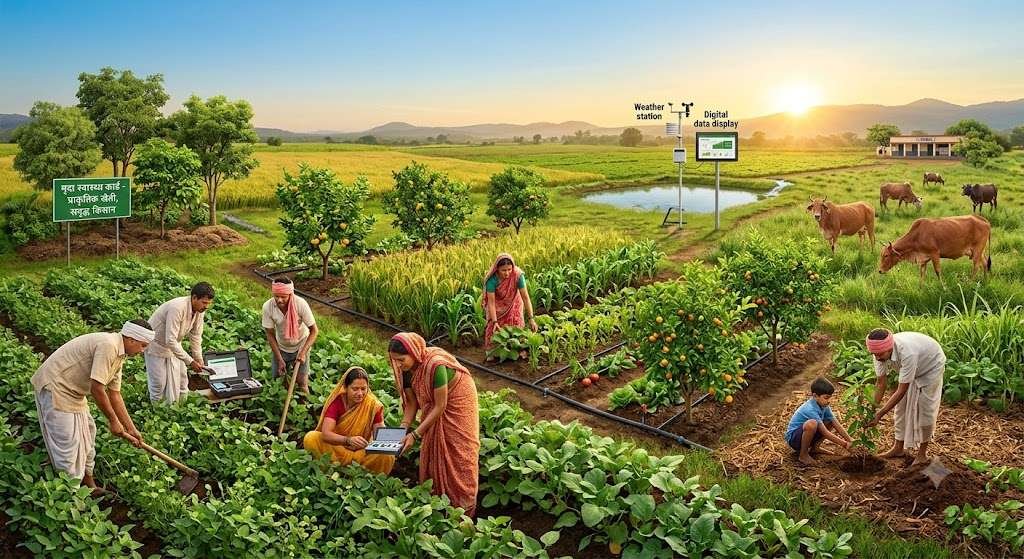
Indian Farms Enter a New Era as Regenerative Agriculture Gains Momentum
Indian farming is entering a new phase. Farmers across the country are increasingly adopting methods that focus not only on crop production, but also on the health of the soil, water and wider farm ecosystem. This shift towards regenerative agriculture has gained fresh attention after the Government of India highlighted its growing role in building stronger and more resilient farms. The development was reported by the Press Information Bureau on August 23, 2026.
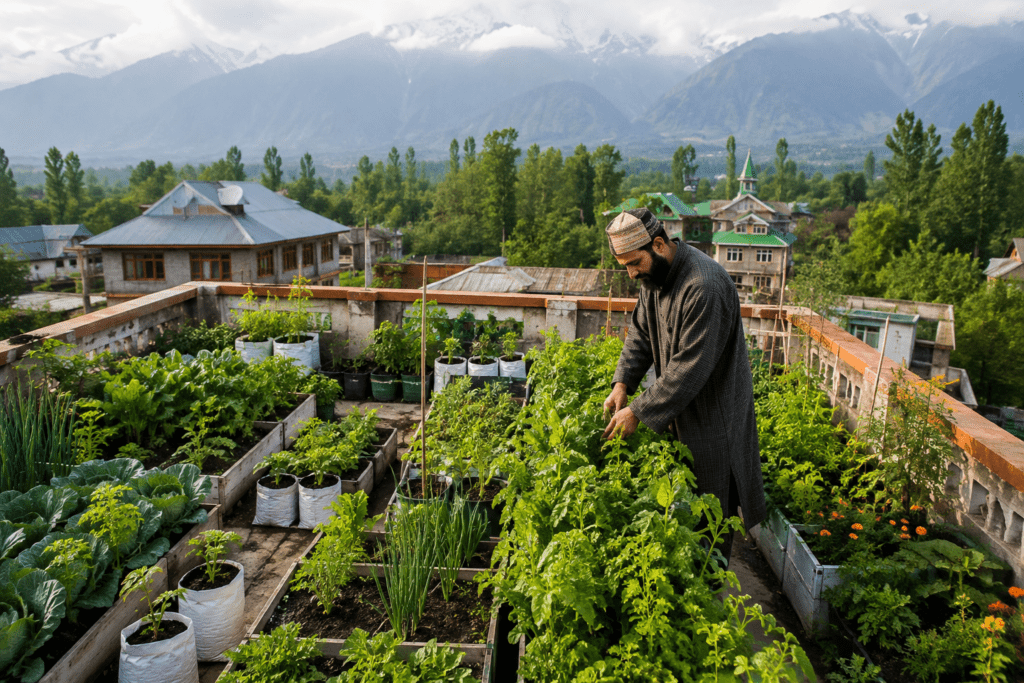
Kashmir Farmer Turns Rooftop Into a Productive Farm, Showing How Small Spaces Can Grow More
A rooftop in Shopian, Kashmir, is attracting attention for an unusual reason. Instead of using the space for storage or household activities, farmer Haroon Rashid has turned his rooftop into a productive farm. The farm is being used to grow a variety of crops. The approach shows how agricultural activity can be adapted to spaces that are normally not considered farmland. The story, reported by The Times of India on August 11, highlights a simple idea: farming does not always have to begin with a large field.
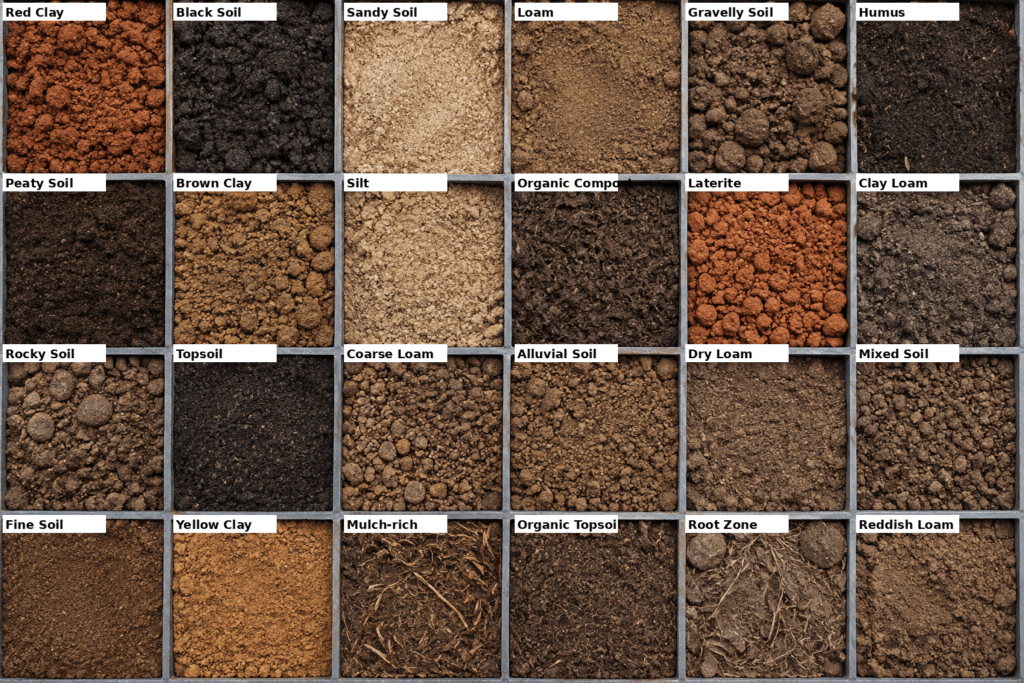
Soil Health Engineering as an Asset Value Multiplier: Capitalizing on Regenerative AgTech and Managed Farmland Yields in India
India’s institutional agricultural sector is undergoing a profound structural shift where soil health is no longer viewed merely as an ecological metric, but as a critical lever for underlying real estate asset valuation and long-term risk management.
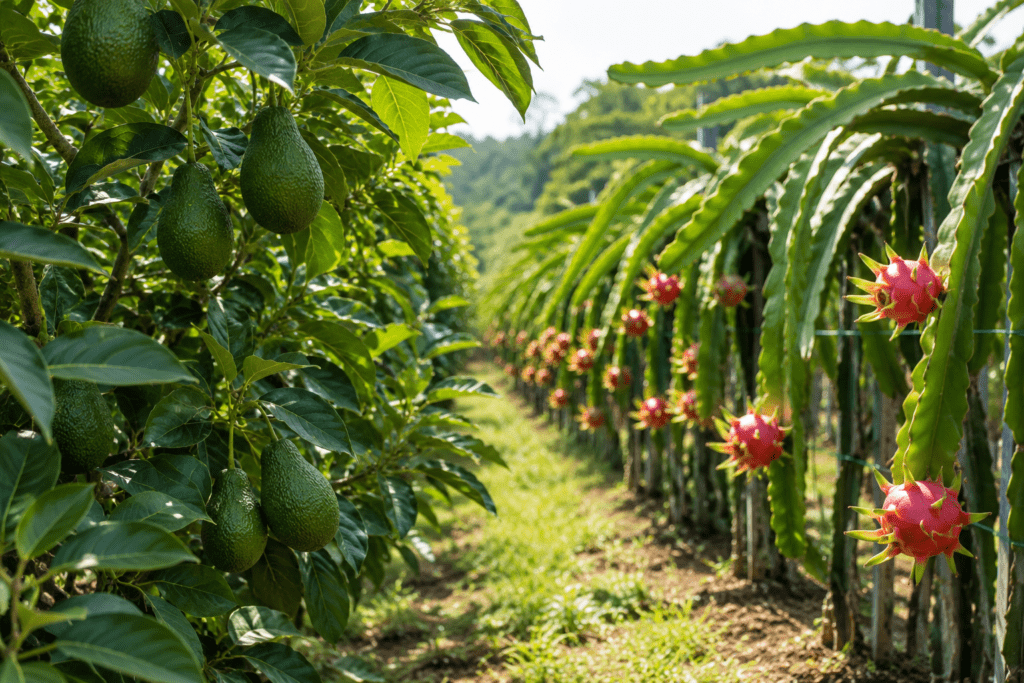
Institutionalizing Farmland: How NABARD’s ₹25,000 Crore Refinance Fund Unlocks High-Yield Managed Acreage in South India
The landscape of Indian agricultural real estate is undergoing a structural shift. The National Bank for Agriculture and Rural Development (NABARD) has unveiled a ₹25,000 crore refinance facility targeted at institutional managed farmland and smart cold-chain corridors.

Why Chikkaballapur is Evolving Into the Next High-Yield Agritech Hub
A deep dive into land valuation shifts and capital appreciation cycles across the north-bound highways.
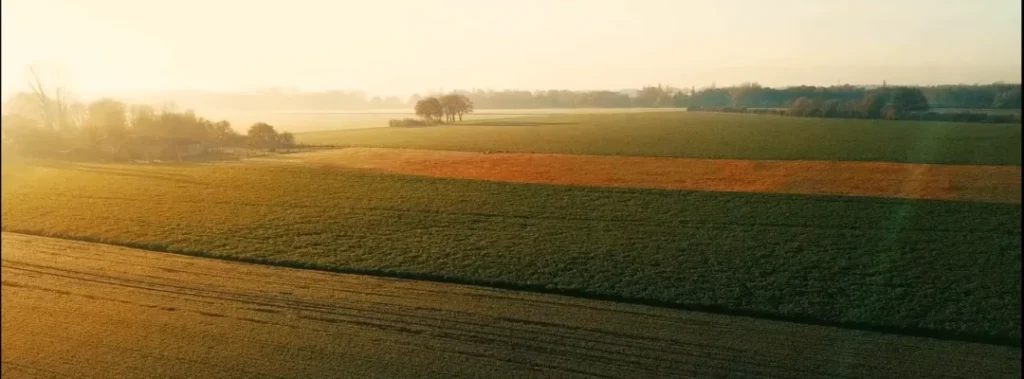
Managed Farmland Around Devanahalli Sees 40% Surge in Weekend Visits
Tech professionals lead the migration from high-rise apartments to managed agricultural plots north of the city.
