Indian agricultural machinery company Balwaan Krishi has raised ₹100 crore in Series B funding to expand its manufacturing operations, strengthen its distribution network and develop new farm equipment.
The funding round was led by First Bridge India Growth Fund Private Equity, with participation from other institutional investors.
The company plans to use the investment to increase domestic manufacturing capacity, expand its dealer and service network in Southern India, and develop new agricultural machinery with advanced technology.
The announcement was reported by The Economic Times on September 28, 2026.
Agricultural mechanisation refers to using machinery and equipment to perform farming activities that would otherwise require more manual labour.
Farm equipment can support activities such as:
Preparing soil for cultivation.
Removing weeds from crop fields.
Spraying crops with suitable agricultural inputs.
Supporting planting and harvesting operations.
Reducing the time required for routine farm activities.
The type of machinery required depends on the farm’s size, crop, terrain and agricultural practices.
For smaller farms, compact and affordable equipment can be particularly relevant because large machinery may not be practical for every agricultural operation.
According to the company’s announcement, the investment will focus on three areas.
Balwaan Krishi plans to increase its domestic manufacturing capacity. The expansion is intended to strengthen its ability to produce agricultural equipment and improve product availability.
The company plans to expand its dealer and after-sales service network across Southern India.
This includes improving access to agricultural machinery and service support in key farming markets.
The company also plans to develop new farm equipment incorporating predictive maintenance and Internet of Things (IoT) capabilities.
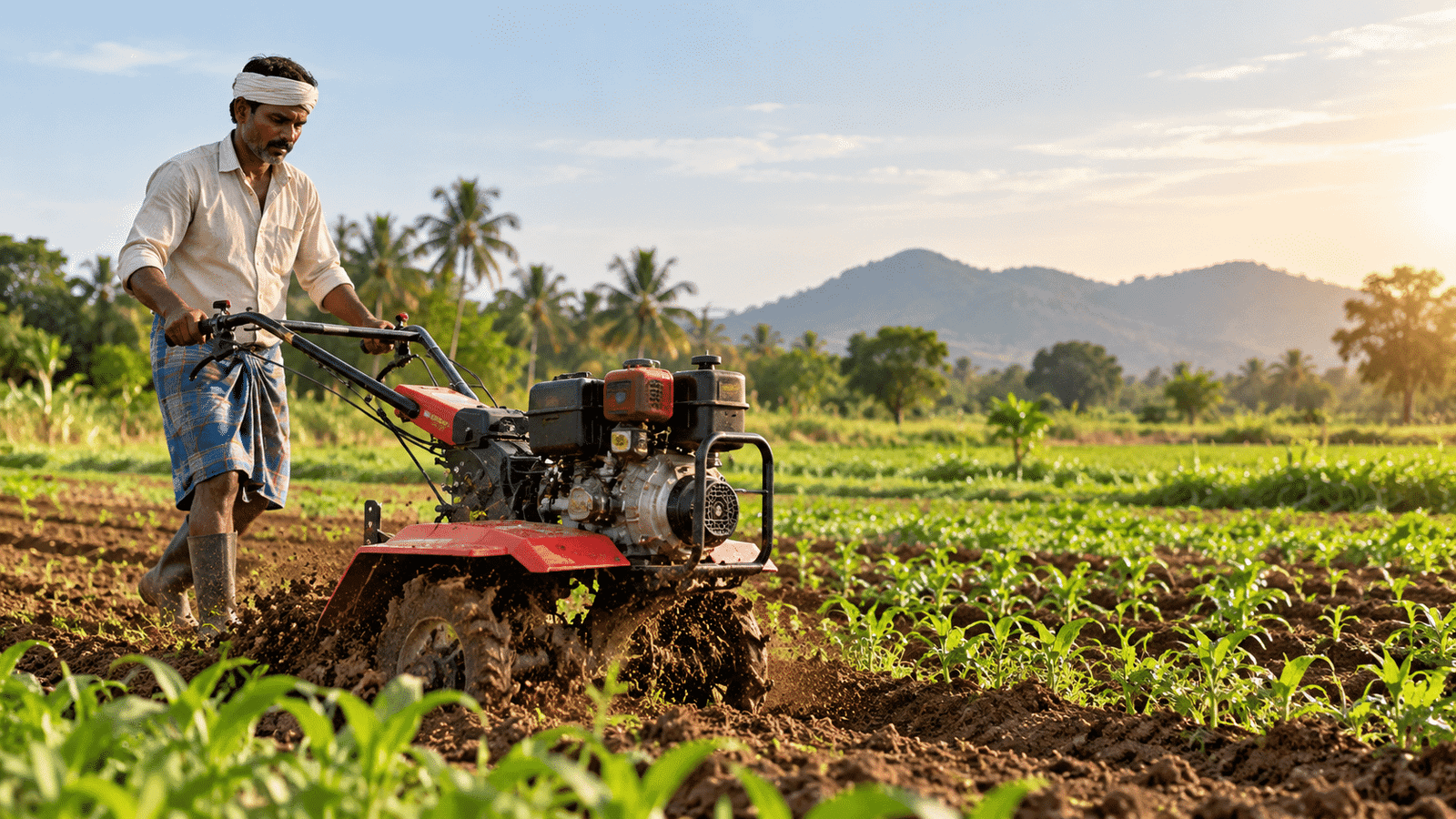
Its product range includes power weeders, battery sprayers and other agricultural machinery.
Farm machinery can support agricultural productivity by making certain farming operations faster and more manageable.
For example, power weeders can help control weeds in suitable crop fields, while battery sprayers can support the application of agricultural inputs when used correctly.
However, machinery does not automatically guarantee higher yields or lower costs. The actual benefit depends on equipment selection, maintenance, operating expenses and the farming conditions.
Farmers need to assess these factors before investing in new equipment.
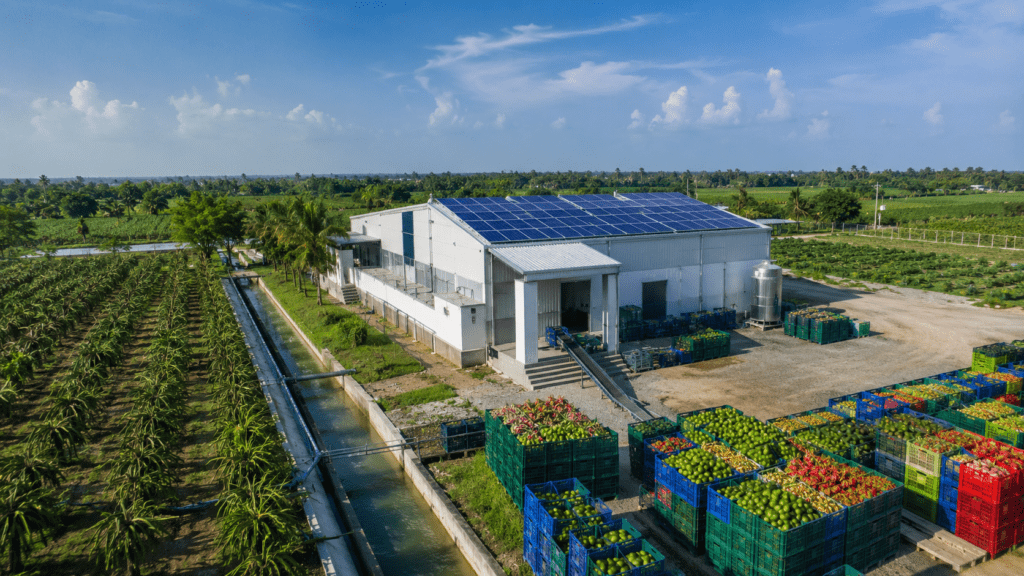
Agricultural mechanisation is also relevant to managed farmland communities, where regular maintenance and efficient farm operations are important.
For managed farmland operators, suitable equipment may help with:
Maintaining pathways and accessible farm areas.
Managing weeds around trees and crops.
Supporting seasonal agricultural activities.
Reducing the time required for certain maintenance tasks.
The choice of equipment should depend on the land’s layout, vegetation, soil conditions and intended agricultural use.
For orchard-based farmland, smaller machinery may be more practical in some areas than large agricultural equipment.
The latest funding announcement reflects continued business activity in India’s agricultural machinery sector.
As equipment manufacturers expand their operations and develop new products, farmers and farm managers will have more options to consider for agricultural work.
For managed farmland businesses, the important consideration is choosing machinery that suits the land and supports responsible farm maintenance.
Key takeaway: Agricultural mechanisation can support efficient farm operations when equipment is selected according to the needs of the land, crops and farming activities.