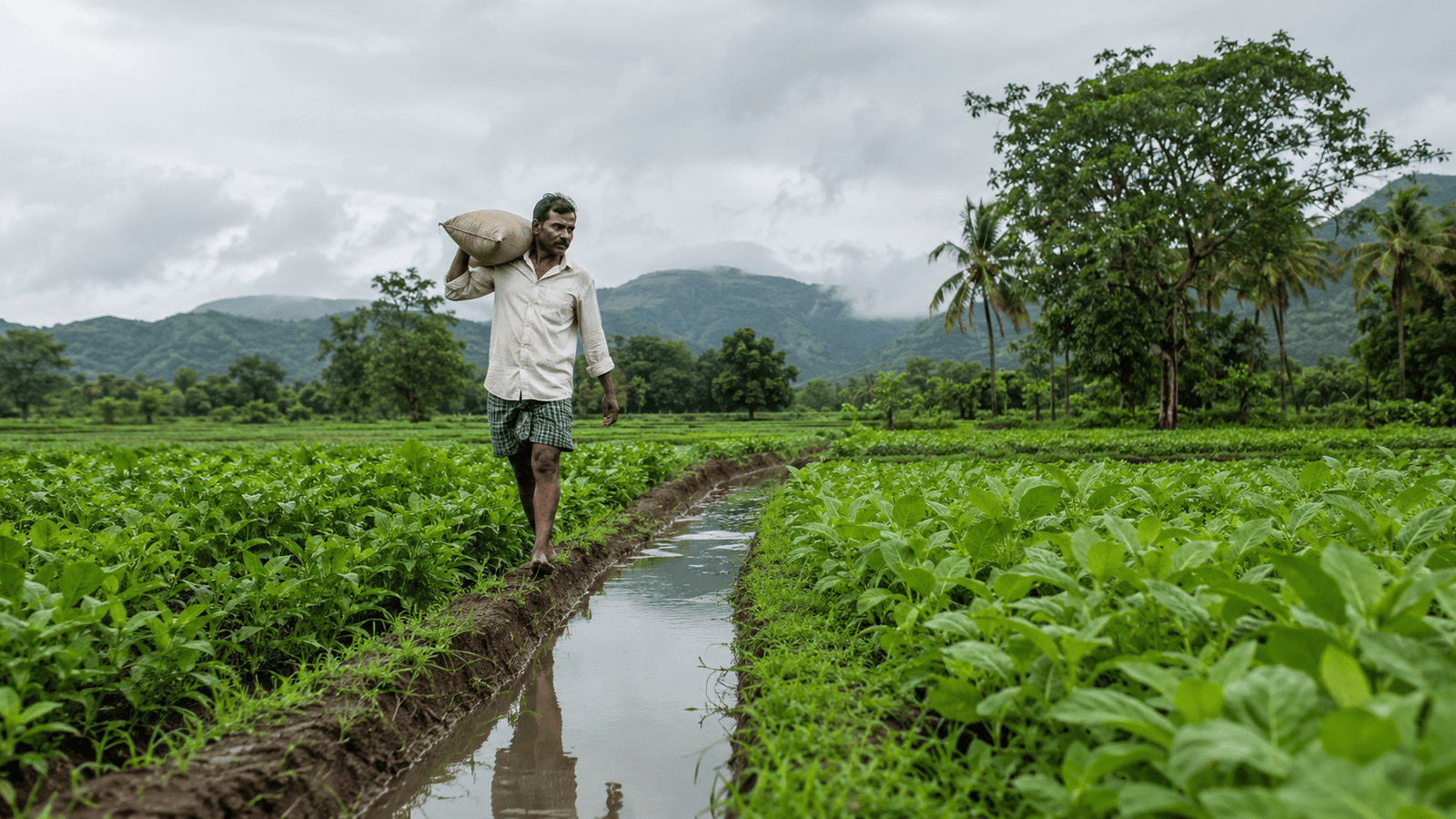
NEW DELHI — Despite initial monsoon delays and uneven rainfall distribution across several farming regions, fertilizer consumption in India has shown remarkable resilience. According to the latest data from the Ministry of Chemicals and Fertilizers, combined consumption of major inputs—including Urea and Di-Ammonium Phosphate (DAP)—recorded only a marginal dip through mid-2026 compared to the previous year.
The sustained off-take reflects strong farmer confidence and steady sowing velocity across primary agricultural belts.
While patchy early precipitation raised concerns over potential delays in Kharif operations, ground-level purchasing patterns indicate that agricultural activities remained largely on track.
Sustained Input Demand: Total off-take for key fertilizers—Urea, DAP, MOP, and NPKS—reached 151.74 Lakh Metric Tonnes (LMT) in the current Kharif phase, keeping pace closely with last year’s 157.05 LMT benchmark.
Preemptive Procurement: In key agricultural states such as Maharashtra, Punjab, Haryana, and Karnataka, robust early-season demand was supported by proactive farmer buying to secure stocks ahead of peak sowing windows.
Robust Buffers: Central monitoring agencies confirm that national stockpiles remain comfortable, supported by higher domestic production and long-term import partnerships.
Agricultural experts note that steady input usage reflects cultivators’ readiness to capitalize on late-stage monsoon recovery. As rainfall patterns stabilize across central and northern belts, the narrow gap in Kharif crop acreage is expected to close, safeguarding seasonal crop yield targets.