📍 Bengaluru ENG
Mogg's News
Farmland · Land & Investment · Bengaluru
Advertisement
Latest
Grow your wealth with secure, managed farmland●Unlock High Returns with Premium Farmland Investment●Subscribe now to catch every update!●Grow your wealth with secure, managed farmland●Unlock High Returns with Premium Farmland Investment●Subscribe now to catch every update!●
← Home
Home › Investment
Investment

Government Prepares ‘PM-KUSUM 2.0’ to Expand Agri-Solar Power Across India

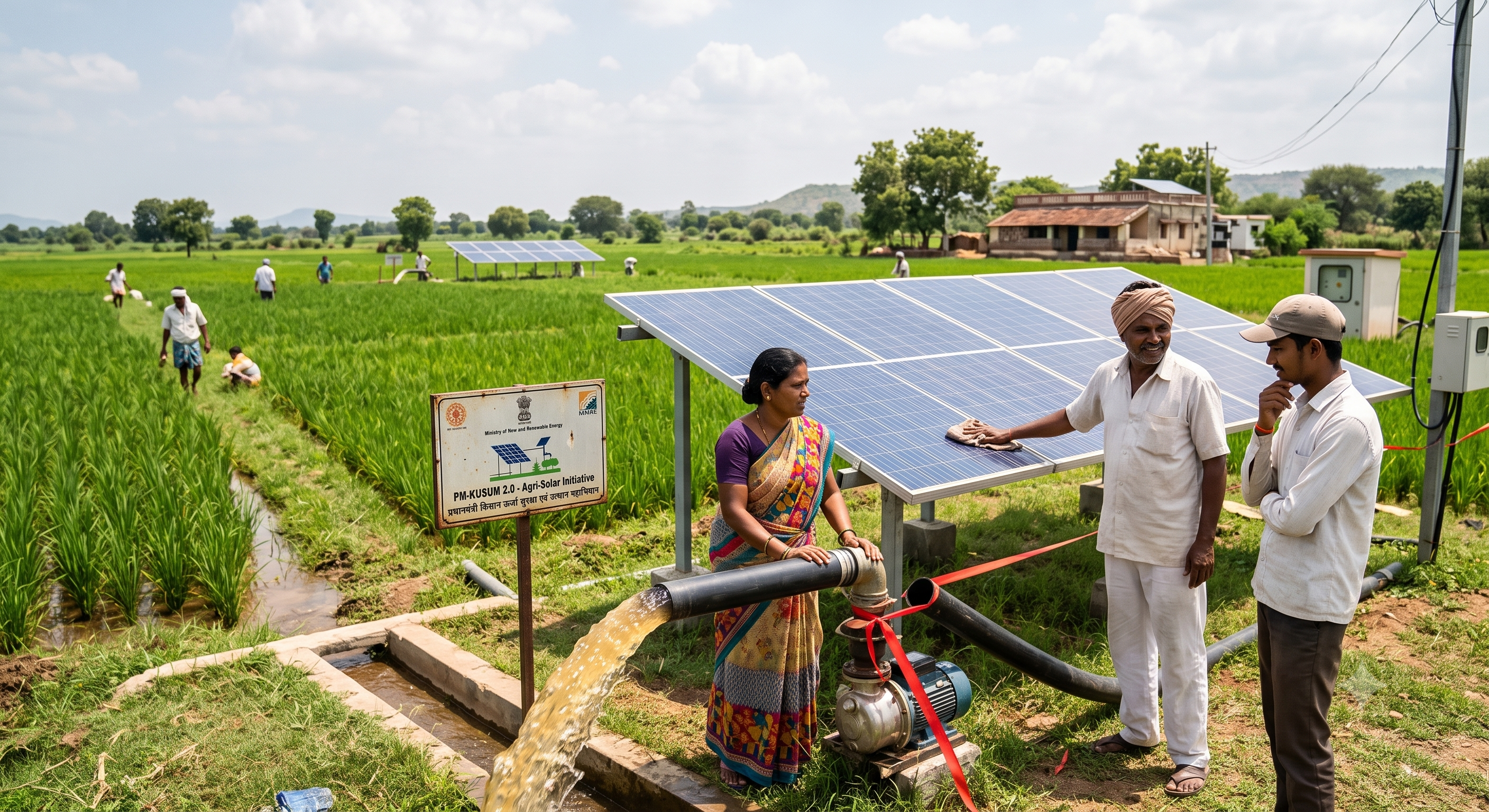
Building on the foundation of its flaghip agricultural solar program, the Ministry of New and Renewable Energy (MNRE) has unveiled plans for PM-KUSUM 2.0. The upgraded framework aims to accelerate the adoption of clean energy in the farming sector following the successful solarization of over 10 lakh agricultural pumps nationwide.

MN
By Mogg's News Desk
Published: July 27, 2026, 09:15 IST · Updated: July 27, 2026, 14:32 IST · 5 min

NEW DELHI — Building on the foundation of its flaghip agricultural solar program, the Ministry of New and Renewable Energy (MNRE) has unveiled plans for PM-KUSUM 2.0. The upgraded framework aims to accelerate the adoption of clean energy in the farming sector following the successful solarization of over 10 lakh agricultural pumps nationwide.

While the initial phase concentrated heavily on individual solar pump installations, PM-KUSUM 2.0 shifts significant focus toward feeder-level solarization. Under this approach, entire agricultural electricity feeders will be powered by dedicated solar plants, streamlining energy distribution to rural areas and ensuring reliable daytime power supply for irrigation.

Beyond modernizing irrigation infrastructure, the updated policy introduces new economic avenues for agricultural landholders:

Land Leasing Opportunities: Farmers and landowners can lease barren or uncultivated land to power distribution companies (DISCOMs) or independent power producers to set up solar plants.

Stable Revenue Stream: Leasing unused acreage offers cultivators a steady, long-term source of passive income to hedge against crop yield fluctuations and seasonal weather risks.

Grid-Connected Generation: Cultivators setting up grid-tied solar setups can sell excess electricity back to local DISCOMs, turning farms into local clean energy hubs.

By scaling up distributed solar generation across rural networks, PM-KUSUM 2.0 is designed to relieve the financial burden on state power utilities, reduce reliance on heavily subsidized grid electricity, and cut carbon emissions from diesel-powered pumps.

Detailed operational guidelines and state-wise implementation targets for PM-KUSUM 2.0 are expected to be rolled out by the ministry in the coming months.

#Investment #NEWDELHI #ManagedFarmland #MoggsEstates
Advertisement · 728 x 120

Related Stories

Lifestyle

Karnataka Updates Homestay Guidelines as Tourism Experiences Evolve

Karnataka is putting renewed focus on its growing homestay sector as travellers increasingly look beyond conventional hotels for local and nature-based experiences. The Karnataka Tourism Department lists updated homestay guidelines and a circular dated September 1, 2026 among its latest tourism updates. The department's tourism platform also promotes government-recognised homestays as a way for visitors to experience local culture across the state. The development comes as Karnataka continues to promote destinations ranging from coffee country and heritage towns to wildlife and coastal regions.

September 5, 2026 · 10 minutes
Investment

Sugar Stocks Rally as India’s Sugar Prices Hit Seven-Year High

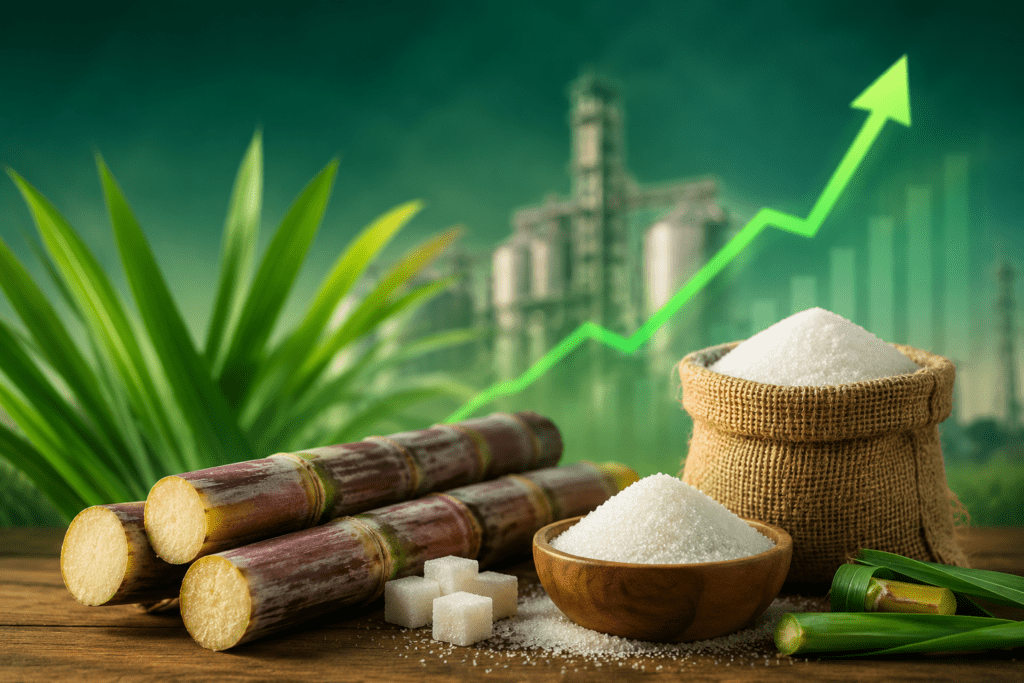
Indian sugar stocks have moved sharply higher this week as domestic sugar prices climbed to a seven-year high, drawing fresh attention from equity investors to the sugar and agricultural sector.

August 14, 2026 · 9 minutes
Markets

Agricultural Commodity Prices Rise as Rainfall Deficit Puts Markets Under Pressure

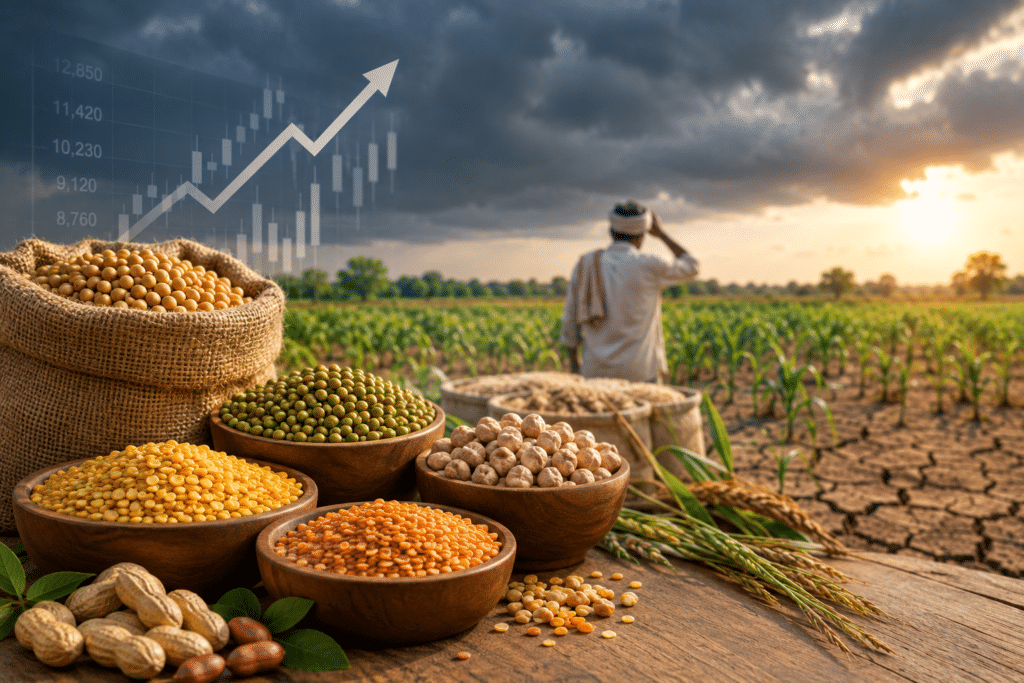
Agricultural Commodity Prices Rise Amid Rainfall Concerns Agricultural commodity markets in India are seeing increased price pressure as below-normal rainfall affects some standing Kharif crops. Prices of several pulses and oilseeds have risen compared with the previous year, raising attention around crop output, food prices and the upcoming Rabi season. According to a September 17 report by The Economic Times, prices of key commodities such as tur, chana, soyabean and groundnut have increased as rainfall shortages create concerns about crop production. The situation is also being closely watched for its potential impact on agricultural markets in the coming months.

September 22, 2026 · 10 minutes
" in single-news.php (uses $post_id which is already set inside your while(have_posts()) loop — if your loop has closed by this point, move this snippet inside the loop instead) -->