Category: Lifestyle News
SEO Title: Experience-Led Leisure Is Changing India’s Weekend Lifestyle
Meta Description: Experience-led leisure is gaining popularity in India as people seek outdoor, wellness and nature-based activities beyond shopping and dining.
Suggested URL Slug: experience-led-leisure-india-weekend-lifestyle
Focus Keyword: experience-led leisure
India’s leisure culture is changing.
A growing number of consumers are showing interest in experiences that offer more than traditional weekend entertainment. Outdoor activities, wellness sessions, heritage experiences and hands-on activities are becoming part of a wider shift toward experience-led leisure.
A recent lifestyle report highlighted how Indian consumers are increasingly moving beyond conventional options such as shopping and dining and looking for activities that allow them to participate, explore and connect with their surroundings.
The trend is particularly interesting for India’s growing urban population.
After spending most of the week surrounded by offices, traffic and screens, many people are looking for weekends that feel noticeably different from their regular routine.
The change is not simply about finding new things to do.
It reflects a broader change in how people define leisure.
A restaurant visit can provide a meal. Shopping can provide entertainment. But activities such as nature walks, workshops, outdoor experiences and wellness sessions can create memories and encourage people to actively participate.
That difference is becoming increasingly important to urban consumers.
The weekend is slowly becoming less about where people spend money and more about what they experience.
One of the biggest beneficiaries of this shift is the outdoors.
Nature-based experiences offer something that is difficult to recreate inside a city: space.
For people living in large urban centres, a few hours surrounded by trees, open land and fresh air can provide a sharp contrast to everyday city life.
This has also created greater interest in farms, plantations, countryside stays and rural experiences.
Farmland, in particular, is beginning to appear in lifestyle conversations for reasons that go beyond agriculture.
A farm can provide an opportunity to spend time outdoors, understand where food comes from and introduce children to a more natural environment.
The trend has particular relevance for Bengaluru.
The city is known for its technology-driven economy and fast-paced professional lifestyle. At the same time, areas around Bengaluru offer access to agricultural landscapes, plantations and rural communities.
This creates an interesting lifestyle opportunity.
Instead of travelling several hours for a short holiday, urban residents can increasingly look toward destinations closer to the city for weekend experiences.
This is one reason interest in farmland near Bangalore and countryside experiences continues to attract attention among urban buyers and families.
The appeal is not necessarily about leaving city life behind.
It is about creating a second environment where people can slow down.
Traditionally, farmland has been discussed mainly as an agricultural or real estate asset.
That perspective is changing.
For some urban consumers, farmland can represent a connection to nature, open space and a slower pace of life.
The growing interest in managed farmland adds another dimension to this trend.
Managed farmland allows agricultural activities and property maintenance to be handled systematically, making the concept more accessible to people who may like the idea of owning farmland but do not have the time to manage daily farm operations themselves.
This makes farmland relevant not only to agriculture but also to the emerging nature-and-experience lifestyle.
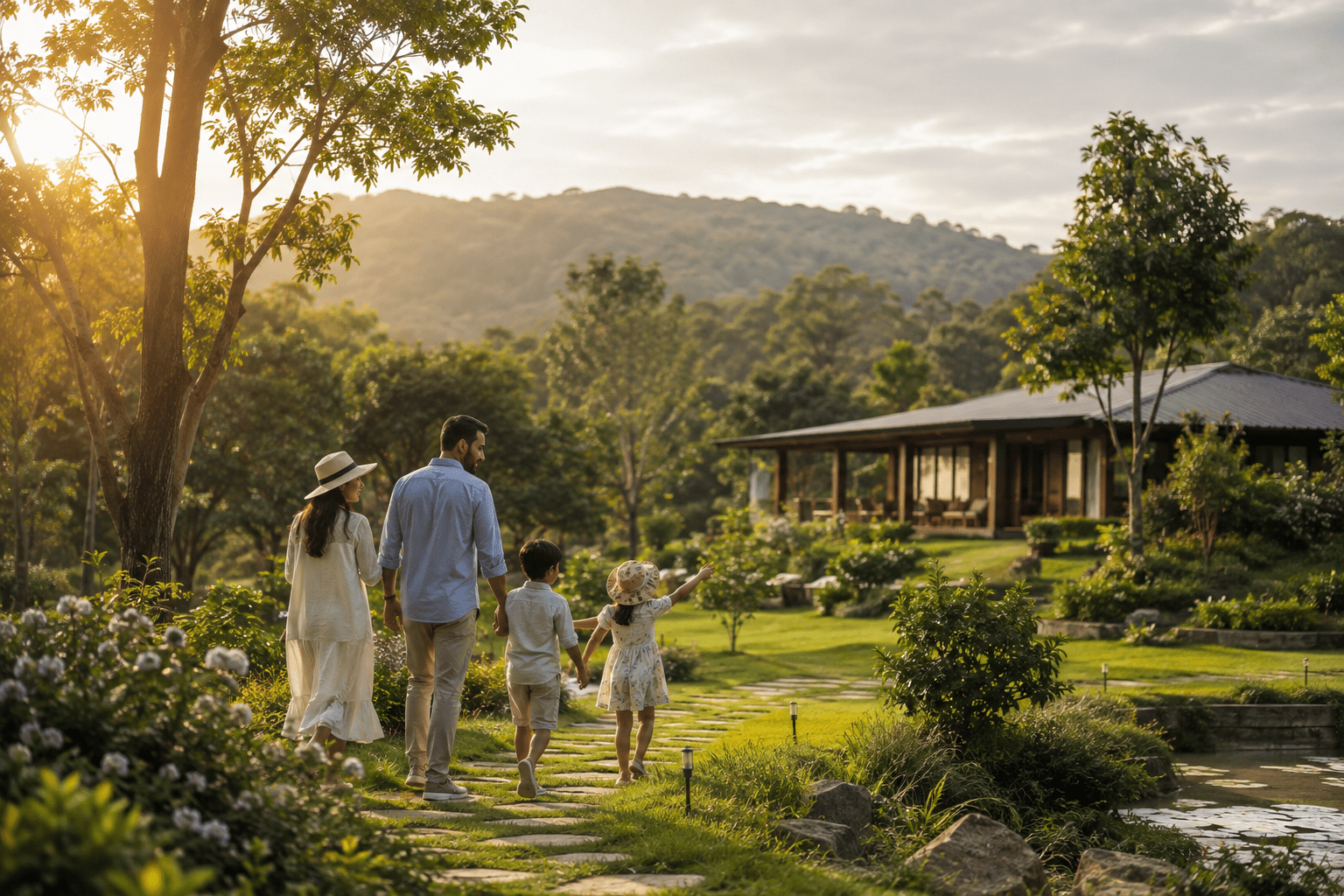
The shift is also significant for families.
Parents increasingly look for activities that can take children away from screens and expose them to outdoor environments.
A farm can provide opportunities to walk through orchards, observe plants, learn about cultivation and simply spend time outdoors.
These experiences can combine recreation with informal learning.
For children growing up in cities, that connection can be especially meaningful.
Instead of learning about agriculture only through books or screens, they can experience parts of it directly.
The experience-led leisure trend also overlaps with the growing interest in wellness.
Wellness is no longer limited to gyms, fitness centres or structured exercise.
People are increasingly exploring activities that help them disconnect from daily pressures.
Spending time outdoors, walking through green spaces, practising mindfulness or simply taking a break from digital devices can all become part of a broader wellness routine.
This is creating new opportunities for nature-based leisure.
The appeal is simple: sometimes the best way to disconnect is to change the environment completely.
The emerging trend does not mean traditional leisure is disappearing.
Restaurants, shopping centres, movies and entertainment venues will remain popular.
But consumers now have more choices.
A good weekend can mean discovering a new restaurant.
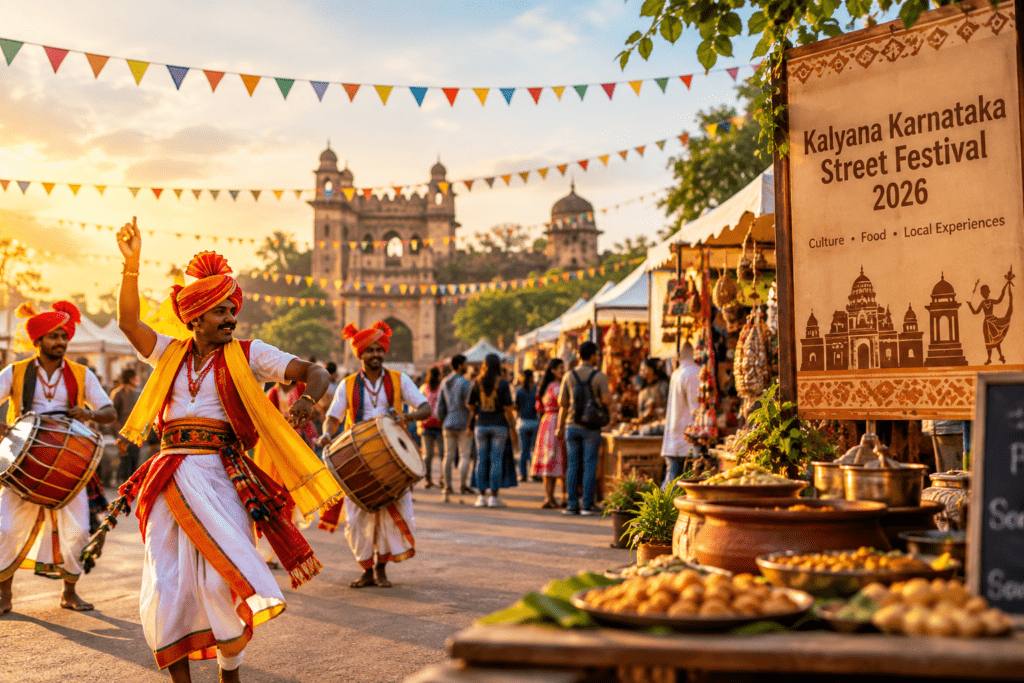
It can also mean attending a workshop, exploring a heritage site, visiting a farm or spending a day outdoors.
That expansion of choice is what makes the experience-led leisure trend significant.
People are increasingly choosing activities based on how they want to spend their time, not just where they want to go.
The rise of experience-led leisure could influence several areas, including travel, hospitality, wellness, rural tourism and lifestyle real estate.
For farmland owners and developers, it also creates an opportunity to think about agricultural properties from a wider perspective.
A farm can produce agricultural value while also becoming part of a lifestyle built around nature, outdoor experiences and family time.
However, farmland remains an asset that requires careful evaluation. Location, water availability, soil quality, legal status, accessibility and professional management continue to matter when considering agricultural land.
The lifestyle appeal should complement these fundamentals, not replace them.
The latest trend points toward a simple but important change in urban lifestyles.
People still want entertainment.
But increasingly, they also want experiences that feel real, personal and memorable.
That could mean spending a weekend learning something new, exploring the outdoors, attending a wellness experience or simply enjoying time away from the city.
For an increasingly urban India, nature may become one of the most valuable forms of leisure.
And as that happens, farmland could find itself playing a role that extends far beyond agriculture — as a place where people can reconnect with nature, family and a slower way of living.