India is considering a reduction in import taxes on vegetable oils as domestic prices continue to rise.
The proposal comes ahead of the September-November festival season. Vegetable oil demand usually increases during this period.
India is the world’s largest importer of vegetable oils. The country meets nearly two-thirds of its demand through imports.
The possible duty change could affect consumers, oilseed farmers and global edible oil markets.
Vegetable oil prices in India have increased by nearly 20% over the past year.
The rise has added pressure to food costs. It comes as households prepare for the festive season.
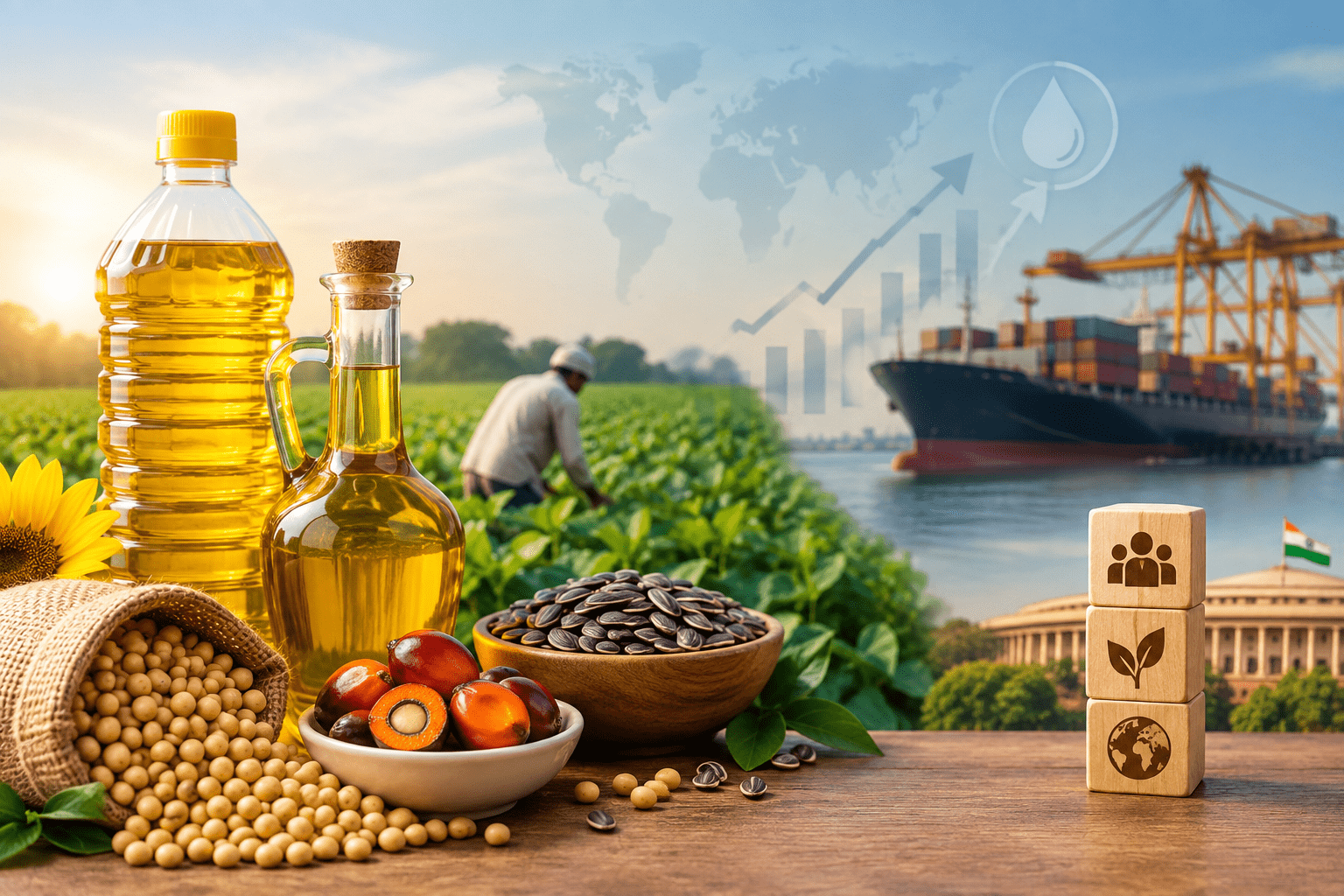
India uses vegetable oils such as palm oil, soybean oil and sunflower oil.
The country imports these oils from several major producing nations. These include Malaysia, Indonesia, Argentina, Russia and Ukraine.
The government is considering lower import taxes to help manage domestic prices.
However, no final decision had been announced when the Reuters report was published on September 16.
Sources told Reuters that a smaller reduction could be considered.
One option discussed was a 5% cut in the basic import duty. This could help lower prices while keeping domestic soybean prices above government-set support levels.
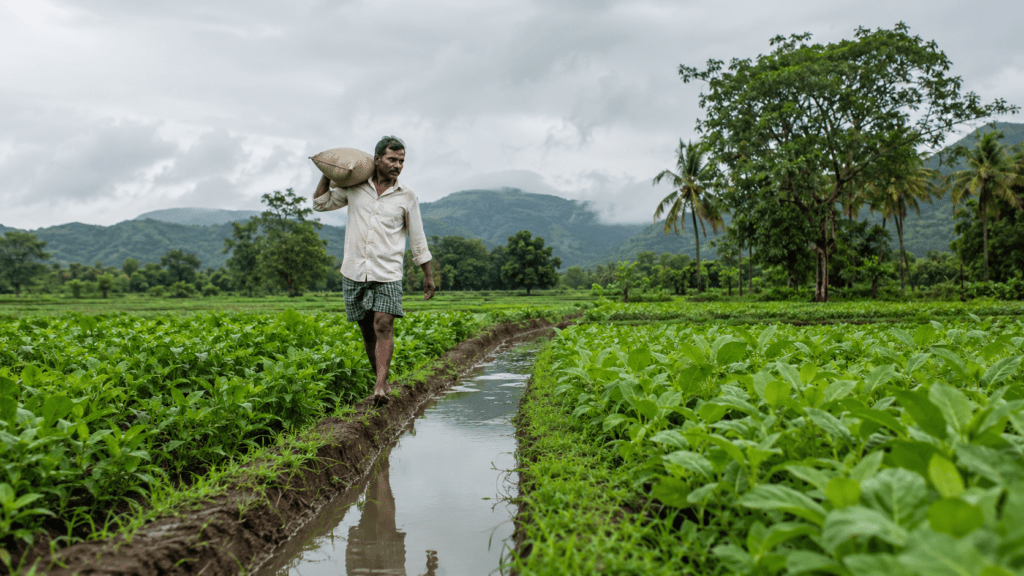
Any change in import duties can affect India’s oilseed farmers.
India grows crops such as soybean, groundnut, mustard and sunflower.
Domestic farmers compete with imported vegetable oils. Therefore, import prices can influence the value of locally produced oilseeds.
A lower import duty could reduce the price of imported oils.
At the same time, the government is considering how to protect the interests of domestic oilseed farmers.
India’s dependence on imported vegetable oils makes the domestic market sensitive to global prices.
Palm oil forms a major part of India’s imports.
Soybean and sunflower oils are also important sources.
Changes in international prices can quickly affect Indian buyers and refiners.
Freight costs, weather conditions and global supply can also influence the market.
The timing of the proposal is significant.
India’s festival season runs through the coming months. Vegetable oil consumption usually increases as households prepare sweets, snacks and fried foods.
Lower import costs could encourage higher purchases.
However, stronger Indian demand could also influence international prices.
Analysts cited by Reuters said increased Indian buying could support Malaysian palm oil and US soyoil futures.
Weather is another factor affecting the vegetable oil market.
Extreme weather can reduce crop production in major producing regions.
The Reuters report linked recent price pressure partly to extreme weather and El Niño-related conditions.
Lower production can tighten global supplies.
This can then affect international prices and India’s import costs.
India has already been buying large quantities of edible oil.
August imports reached an 11-month high of around 1.54 million tonnes, according to Reuters reporting earlier in September.
Heavy imports had also created congestion at some ports.
At Kandla, at least nine vessels carrying about 300,000 tonnes of edible oils were waiting to unload, according to industry officials cited by Reuters.
This shows how closely India’s food market is connected to global agricultural trade.
A reduction in vegetable oil import duties could affect several parts of the market.
For consumers:
Lower import costs could help reduce pressure on edible oil prices.
For oilseed farmers:
Lower import prices could increase competition for domestic oilseeds.
For refiners:
Cheaper imports could change sourcing and purchasing decisions.
For global markets:
Higher Indian demand could influence international palm oil and soyoil prices.
The final impact will depend on the size and timing of any policy change.
The vegetable oil market shows how agricultural production and financial markets are connected.
Farmers depend on crop prices. Consumers depend on affordable food.
Importers monitor international commodity prices. Governments also balance food inflation with the interests of domestic producers.
Vegetable oils sit at the centre of all these factors.
India’s possible import duty change could therefore become an important development for the country’s agriculture and food markets.
The government has not announced a final decision on the proposed duty reduction.
Officials are weighing consumer prices against the interests of domestic oilseed farmers.
The decision will also come against a backdrop of strong festival demand and changing global vegetable oil prices.
For India’s agricultural market, the development highlights the growing importance of global commodity movements, domestic crop production and trade policy.