In a Bengaluru apartment complex buzzing with weekend deliveries and startup conversations, Arjun was the odd one out.
At twenty-eight, he had done everything 0right. Good engineering college.0 Steady IT job. Salary that grew every year. Enough savings to buy what most of his friends were buying.
Cars.
Every few months, the basement parking told a new story. A luxury SUV wrapped in satin white. A sports sedan with tinted glass. Someone upgraded from a hatchback to something louder, bigger, shinier.
Arjun smiled at all of it. He attended the car deliveries. Posed for photos and Sat in leather seats that still smelled new. But when the conversations turned to EMIs, servicing costs, and resale values, he quietly drifted away.
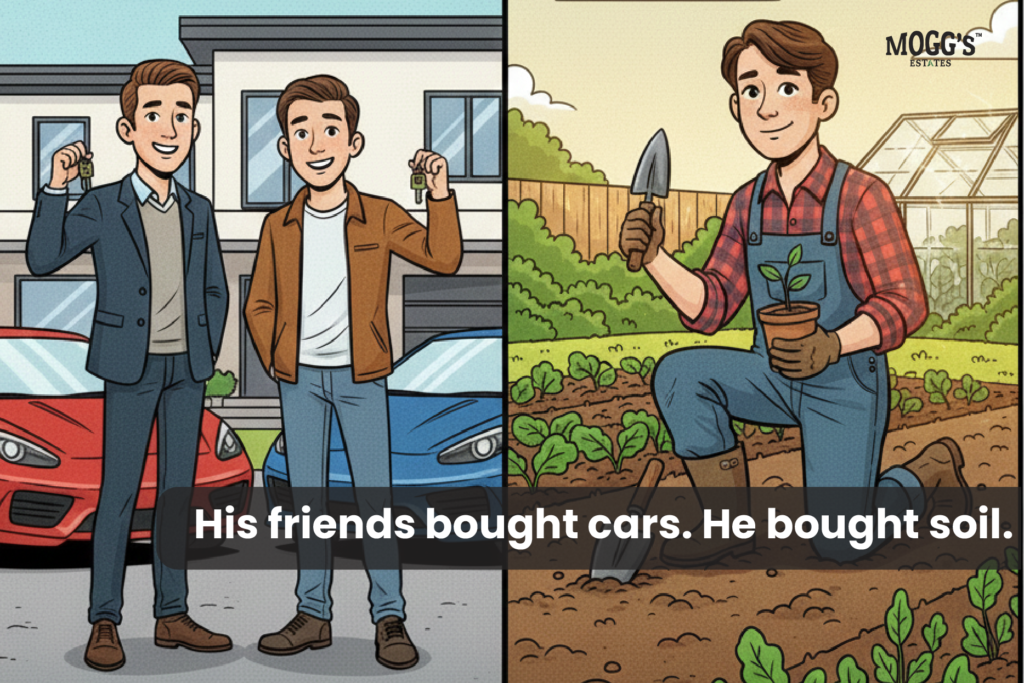
While his friends were buying machines, Arjun was purchasing soil.
Arjun did not announce it on Instagram. There was no ribbon-cutting. No champagne bottle. No delivery video.
One weekday afternoon, between Zoom calls and Jira updates, he signed documents for a managed farmland investment on the outskirts of Bengaluru.
Coconut trees. Red soil. Water access. A professional team that would manage everything from planting to maintenance. It was not impulsive. It was calculated.
He had watched his friends stretch their finances for cars that would lose value the moment they left the showroom. He had seen people upgrade every few years, chasing newer models, better features, bigger status.
Arjun wanted something else. Something that grew quietly. For most young professionals, a car is more than transport. It is validation.
Proof that years of studying and working paid off. But Arjun had run the numbers.
A car depreciates the moment you buy it. Maintenance costs increase every year. Fuel prices fluctuate. Insurance renewals never stop. After five years, the resale value barely reflects the money you put in.
It was not that cars were bad. It was that they were liabilities disguised as rewards. Arjun wanted an asset.
Discovering farmland as an asset
It started with a conversation over filter coffee.
A senior colleague mentioned investing in farmland through a managed model. No daily involvement. No need to become a farmer overnight. Just ownership, transparency, and long-term value.
Arjun went home and researched.
He read about how farmland in India had consistently appreciated over decades. The land supply is finite, while demand keeps increasing. How agricultural land, especially near growing cities, carries both emotional and financial value.
He learned about managed farmland models in which professionals handle operations, compliance, and maintenance.
That was when it clicked. This was not about returns alone. This was about owning something real.
The confidence in buying soil
When Arjun told his parents, there was silence.
Then questions.
Why not a car first?
Are you sure farmland is safe?
What if you need liquidity?
Arjun answered calmly.
A car would sit in the basement most days.
Land would exist whether he visited or not.
Food would always matter.
Soil would never go out of demand.
A few weeks later, his friends found out.
The reactions were predictable.
Bold move.
Too serious for your age.
Why so old-fashioned?
Arjun did not argue. He did not explain too much.
He was comfortable being early.
Weekends that changed everything
A few months after his purchase, Arjun visited his farmland.
He stood under coconut trees that were not his by effort but by ownership. He walked on soil he legally owned. He watched workers tending to the land with care and routine.
For the first time, investment felt physical.
Not a number on an app.
Not a fluctuating graph.
Not a market headline.
Just land.
That weekend did something to him.
He slept better. Thought slower. Felt grounded.
This was wealth he could touch.
Depreciation vs appreciation
Back in Bengaluru, the contrast became clearer.
Friends complained about service centre delays. About scratches. About rising EMIs.
Arjun checked updates from his farmland manager. Growth reports. Plantation health. Maintenance schedules.
One asset is poorly aged.
The other matured quietly.
Cars are designed to become obsolete.
Land becomes more valuable over time.
That difference stayed with him.
The long view of wealth
Arjun was not chasing quick profits.
He was thinking about his thirties. His forties. His future family.
Where would his money sit safely?
What could he pass on without explaining market crashes?
What would still matter twenty years from now?
Land answered all of it.
Farmland is not flashy. It does not trend. It does not need constant upgrading.
It just exists. Grows. Holds value.
Why this matters for young professionals
India’s young workforce is earning earlier than previous generations. But it is also spending faster.
Luxury cars, gadgets, and lifestyle upgrades often come before asset creation.
Farmland flips that order.
It builds discipline.
Encourages patience.
Creates a tangible connection to wealth.
For young professionals in cities like Bengaluru, managed farmland offers exposure to tangible assets without operational stress.
It is an investment without noise.
Beyond money
What surprised Arjun most was not the appreciation.
It was how the investment changed his mindset.
He became less anxious about markets. Less reactive to trends. More thoughtful about decisions.
Owning land did not make him richer overnight.
It made him calmer.
Where Mogg’s Estates fits in
Mogg’s Estates exists for people like Arjun.
Young professionals who want to invest beyond conventional assets. Those who value transparency, sustainability, and long-term thinking.
Through professionally managed farmlands, Mogg’s allows investors to own agricultural land without the complexity of daily management.
It bridges modern investing with timeless assets. Not as a trend.
As a philosophy.
Years from now, Arjun may still buy a car. But it will not define him.
What will define him is that at twenty-eight, when most people chose speed and shine, he chose soil. And soil chose him back.
Cars make statements. Land builds legacies. For a generation deciding where to park its wealth, the question is simple.
Do you want something that fades with time?
Or something that grows silently beneath your feet?