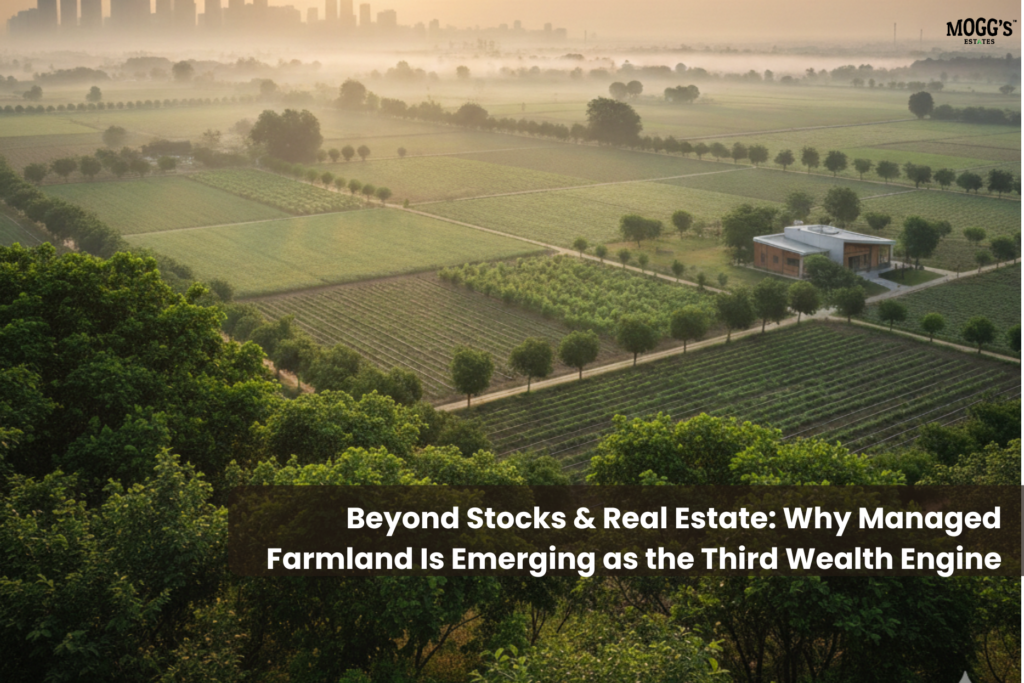
For decades, wealth creation has largely revolved around two pillars, stocks and real estate. Stocks promised growth through market participation, while real estate offered stability and long-term appreciation. But today, a quiet shift is underway. Investors are increasingly exploring an asset class that combines the tangibility of land with the resilience of agriculture: managed farmland.
Once considered niche, managed farmland is now attracting professionals, entrepreneurs, and forward-thinking investors seeking diversification, sustainability, and steady, long-term value. Particularly in growth corridors around major cities, farmland near Bangalore is emerging as a compelling opportunity for those looking beyond traditional investments.
The Changing Definition of Wealth
Modern investors are no longer satisfied with putting all their capital into volatile markets or overcrowded urban property segments. Economic fluctuations, inflation concerns, and unpredictable global events have encouraged a more balanced approach to wealth creation.
This is where managed farmland enters the conversation.
Unlike speculative assets, farmland is rooted in something fundamentally essential: food production. Regardless of economic cycles, demand for agricultural output remains strong, making farmland historically resilient. When professionally managed, it transforms from a passive landholding into a structured investment.
What Is Managed Farmland?
Managed farmland enables individuals to own agricultural land without the operational complexities of farming. Professional teams handle everything from crop planning and soil management to irrigation, maintenance, and harvesting.
In essence, investors gain exposure to agriculture while avoiding the steep learning curve traditionally associated with it.
Key advantages often include:
- Professional farm management
- Scientific cultivation practices
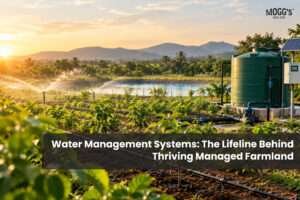
- Efficient water and soil strategies
- Regular maintenance
- Long-term land stewardship
For urban investors with limited time, this model bridges aspiration and practicality, enabling land ownership without disrupting their primary careers or lifestyles.
Why Investors Are Looking Beyond Traditional Assets
1. Diversification That Matters
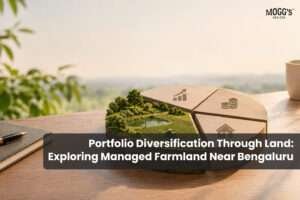
Relying solely on stocks or urban property can expose portfolios to concentrated risks. Managed farmland offers diversification by introducing a real, productive asset that behaves differently from financial markets.
When markets fluctuate, land often retains intrinsic value.
2. Tangible Ownership in a Digital World
There is a growing psychological comfort in owning something physical. Unlike digital assets displayed on a screen, farmland is visible, usable, and enduring.
Many investors appreciate the sense of permanence that comes with land ownership, a resource that cannot be manufactured.
3. Long-Term Appreciation Potential
As cities expand, surrounding regions evolve. Infrastructure development, improved connectivity, and economic growth frequently influence land values over time.
This urban expansion partly drives the search for the best farmland near Bangalore. Investors recognize that strategic locations near thriving metropolitan areas may benefit from future demand.
4. Alignment with Sustainable Living
Today’s wealth is not measured solely by numbers; it is increasingly linked to environmental responsibility.
Managed farmland supports greener landscapes, tree-based farming, and responsible land use. For many investors, this represents more than a financial strategy; it reflects a conscious lifestyle choice aligned with ecological values.
Why Farmland Near Bangalore Is Drawing Attention
Bangalore’s rapid growth has transformed not only the city but also its surrounding regions. Improved highways, emerging micro-markets, and increased interest in nature-centric living have brought agricultural land into sharper focus.
Investors often look for locations that balance accessibility with natural surroundings, places close enough for convenience yet far enough to preserve tranquility.
This rising interest has contributed to the popularity of premium managed farmland projects that emphasize thoughtful planning, infrastructure readiness, and long-term vision.
The Rise of Premium Managed Farmland
Not all farmland investments are created equal. Premium managed farmland typically stands apart through factors such as:
- Carefully selected locations
- Soil and water suitability assessments
- Planned layouts
- Internal access roads
- Sustainable farming models
- Professional oversight
These elements help transform raw agricultural land into an organized asset designed for longevity.
For many buyers, the appeal lies in knowing that the land is being nurtured rather than left idle.
Who Is Investing in Managed Farmland?
The profile of farmland investors has evolved significantly. Today’s buyers often include:
- Corporate professionals seeking portfolio balance
- Business owners planning generational assets
- NRIs exploring grounded investments in India
- Young investors are thinking decades ahead
- Families wanting a legacy asset
What unites them is a forward-looking mindset, one that values stability alongside growth.
Emotional Wealth: The Intangible Return
While financial considerations are important, managed farmland offers something less measurable yet deeply meaningful.
Imagine visiting your land on a quiet morning, hearing the rustle of leaves instead of traffic, and experiencing a pace of life that feels refreshingly different. For many owners, farmland becomes a retreat, a place where future memories may unfold.
Over time, land often shifts from being “an investment” to becoming “our land.”
This emotional dimension is increasingly influencing purchase decisions, especially among investors seeking more purposeful ownership.
How Mogg’s Estates Reflects This Shift
As awareness around managed farmland grows, organizations like Mogg’s Estates are contributing to the evolution of this space by focusing on structured farmland developments near emerging growth corridors.
By emphasizing planning, stewardship, and long-term usability, such approaches align with what modern investors expect from premium managed farmland: clarity, professionalism, and thoughtful execution.
For buyers exploring the best farmland near Bangalore, the presence of experienced developers helps simplify what might otherwise feel like a complex process.
Factors to Consider Before Investing
Like any asset class, farmland deserves careful evaluation. Prospective buyers often benefit from paying attention to:
Location: Connectivity, future infrastructure, and regional growth patterns.
Water Availability: A critical component for agricultural viability.
Soil Quality: Determines crop suitability and long-term productivity.
Legal Clarity: Clear titles and proper documentation are essential.
Management Expertise: Strong operational support can significantly enhance land value over time.
A well-informed decision tends to outperform a rushed one.
The Future of Wealth May Be Rooted in the Land
As investment philosophies evolve, the definition of a strong portfolio is expanding. Increasingly, it is not just about high returns; it is about resilience, balance, and relevance in a changing world.
Managed farmland sits at the intersection of these ideals.
It combines:
- The stability of land
- The necessity of agriculture
- The foresight of diversification
- The appeal of sustainability
In many ways, it represents a return to fundamentals, investing in something that supports life itself.
Final Thoughts
Stocks may rise and fall. Urban real estate may cycle through phases. But land has endured across generations as a symbol of security and continuity.
The growing interest in managed farmland, especially farmland near Bangalore, suggests that investors are beginning to recognize its role as more than an alternative; it is becoming a strategic complement to traditional assets.
As the idea of the “third wealth engine” gains momentum, one thing is clear: the future investor is not just chasing returns but building a portfolio that stands the test of time.
And sometimes, the smartest investments are the ones quietly growing beneath our feet.