
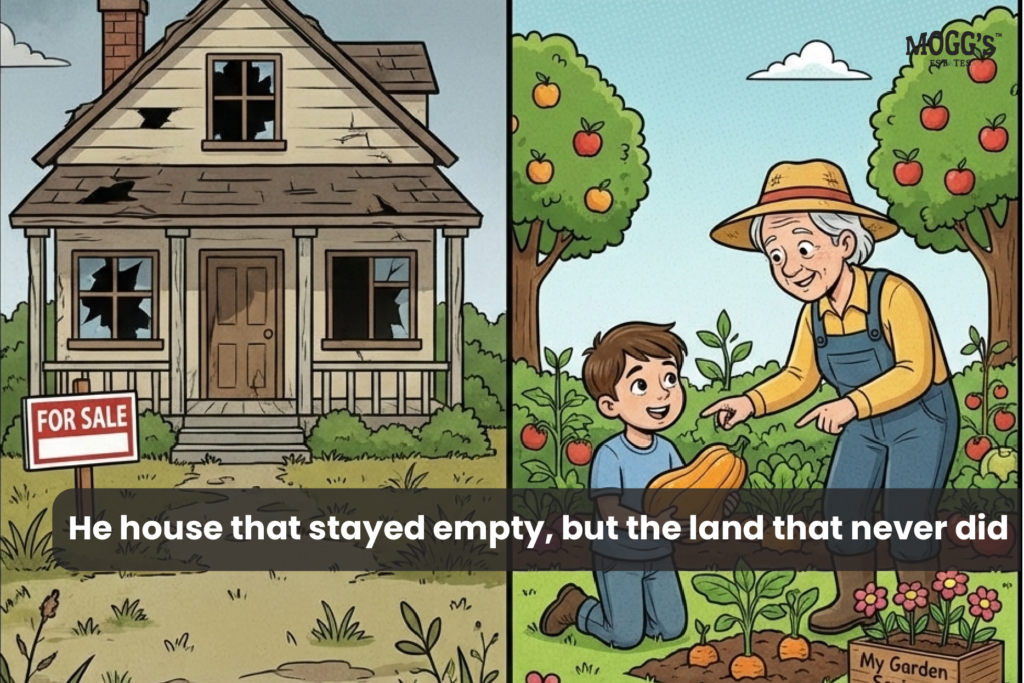
When Rohan and Meera bought their apartment in Bengaluru, it felt like they had arrived. A high-rise tower. Glass balconies. A gym they rarely used and a swimming pool they admired from above. The brochure promised lifestyle, convenience, and appreciation. Everyone around them said the same thing. Real estate in the city never fails.
They stretched their budget, signed the papers, and moved in with pride.
For the first few months, the house felt exciting. Friends came over. Photos were taken. Furniture was upgraded. Slowly, life took over. Workdays grew longer. Weekends disappeared into errands and traffic. The apartment started feeling less like a home and more like a stop between meetings.
Two years later, a job opportunity took them abroad. The house they were so proud of stayed locked.
At first, they thought renting it would be easy. But the market was slow. Brokers negotiated hard. Maintenance costs continued. EMIs did not pause. The apartment sat there, clean and empty, while money quietly flowed out every month.
This is where their story begins to shift.
Like many urban professionals, Rohan and Meera had believed that owning a city home was the ultimate investment. What they did not account for was how illiquid and emotionally heavy it could feel when life moved faster than their asset.
Their apartment had value on paper. But in reality, it demanded attention, upkeep, and constant decisions. Around the same time, a colleague mentioned managed farmland investment.
At first, it sounded unfamiliar. They associated farmland with rural responsibilities, farming knowledge, and the time they did not have. But curiosity led them to read more. They learned how managed farmland works. Professionally maintained land. Long-term appreciation. Agricultural income. Ownership without daily involvement.
Unlike the apartment, this asset did not depend on tenants or city demand cycles. It depended on soil, crops, and time.
They visited a managed farmland project developed by Mogg’s Estates.
The experience felt different from any real estate visit they had done before. No rush. No pressure. Just land, trees, water bodies, and a long-term vision. The team spoke about soil quality, water management, plantation cycles, and asset longevity.
For the first time, investment felt calm. They invested quietly.
No housewarming. No social media post. No announcements. Just ownership.
Back in the city, their apartment remained empty. Rent came and went. Maintenance increased. Property taxes rose. The emotional attachment slowly faded. Their farmland, on the other hand, grew.
The plantation matured. The land value appreciated steadily. There were no monthly surprises. No calls about repairs. No anxiety about vacancy.
What surprised them most was not just the financial performance but the mental shift. The apartment felt like an obligation. The farmland felt like ownership.
This difference matters more than people realise.
Urban real estate often looks impressive but can feel like a liability when it’s not aligned with your life stage. Farmland investment, when managed well, becomes an asset that works quietly in the background.
This is why more professionals today are comparing farmland investments vs. apartment investments in India. City homes demand presence. Land does not.
Luxury apartments depreciate internally even if market prices rise—interiors age. Buildings require upgrades. Farmland improves with time when managed sustainably.
Apartments are lifestyle assets. Farmland is a wealth asset. Rohan and Meera did not sell their apartment immediately. They waited. Eventually, market conditions improved, and they exited. The returns were modest once all costs were accounted for.
Their farmland stayed. Today, it forms the most stable part of their portfolio.
This story is becoming increasingly common among working professionals, NRIs, and first-time investors. People are realizing that wealth is not built by how impressive an asset looks but by how quietly it grows.
Managed farmland investment offers something rare in today’s market. Tangibility without daily responsibility. Growth without constant monitoring. Ownership without noise.
This is where Mogg’s Estates plays a critical role.
Mogg’s Estates curates managed farmland projects designed for long-term value creation. From land selection to plantation planning, water management, and on-the-ground maintenance, everything is handled professionally. Investors own the land while the ecosystem works to grow its value.
For people like Rohan and Meera, this balance mattered. They did not want another asset that demanded attention. They wanted one that respected their time.
Farmland also brought a sense of grounding that they had not expected. Visiting the land felt restorative. It was not just about returns but about owning something real in a world dominated by screens and numbers.
This emotional return is often overlooked in traditional investment discussions. When we talk about the best long-term investments in India, farmland rarely features in mainstream conversations. Yet, historically, land has been one of the most resilient asset classes.
It does not vanish. It does not crash overnight. It grows steadily with demand, population, and food security needs.
In a time when urban real estate prices are driven by speculation and oversupply, farmland follows a different logic. Scarcity. Utility. Time.
This is why farmland investment in India is seeing renewed interest from urban investors.
People are no longer chasing just returns. They are chasing peace of mind.
The empty apartment taught Rohan and Meera a lesson many learn too late. Not every property is an asset. Not every purchase builds wealth. Sometimes, the best investment is the one that does not shout.
The land that never demanded attention but delivered growth quietly became their most intelligent decision.
If you are evaluating where to place your money next, ask yourself a simple question.
Do you want an asset that looks impressive or one that actually works for you?
At Mogg’s Estates, we believe wealth should grow with clarity, stability, and purpose. Managed farmland offers precisely that.
Because the most substantial investments do not always stand tall in the city skyline, sometimes, they grow silently from the soil.
Explore managed farmland investment with Mogg’s Estates and start building wealth that stays rooted.