India’s agriculture sector is seeing growing attention from commodity markets and investors as weather risks, food demand and new financial products reshape the outlook for farm-linked businesses.
One of the latest developments came from the Multi Commodity Exchange of India (MCX), which launched futures contracts for crude sunflower oil on August 13. The new contracts are designed to give participants in the edible-oil industry a way to manage price volatility and improve price discovery.
The development comes at an important time for India’s edible-oil market. The country’s edible-oil imports rose sharply in July as refiners increased purchases ahead of the August-November festival season. Total imports reached 1.48 million tonnes, the highest monthly level since September 2025, according to data reported from the Solvent Extractors’ Association of India.
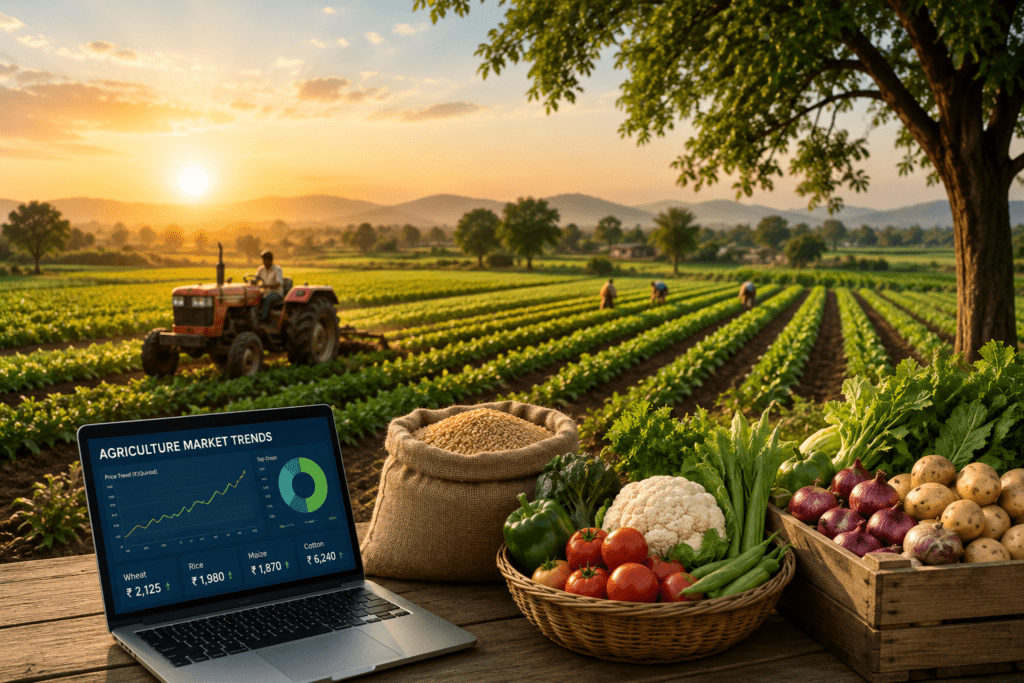
Agricultural commodities are closely linked to both farming income and consumer prices. Changes in global supply, weather conditions, imports and currency movements can quickly affect commodity prices.
For farmers, processors and traders, this creates a need for better tools to manage price risk. Futures contracts can help market participants hedge against unexpected price movements rather than depending entirely on spot-market prices.
The recent sunflower-oil futures launch is therefore more than a new trading product. It reflects the wider development of India’s agricultural commodity market.
The MCX has also highlighted the need for stronger domestic price discovery and greater use of onshore hedging. A recent report released at the Global Commodity Conclave argued that India can strengthen its commodity-market infrastructure and reduce excessive dependence on international benchmarks.
Weather remains one of the biggest variables affecting agricultural markets.
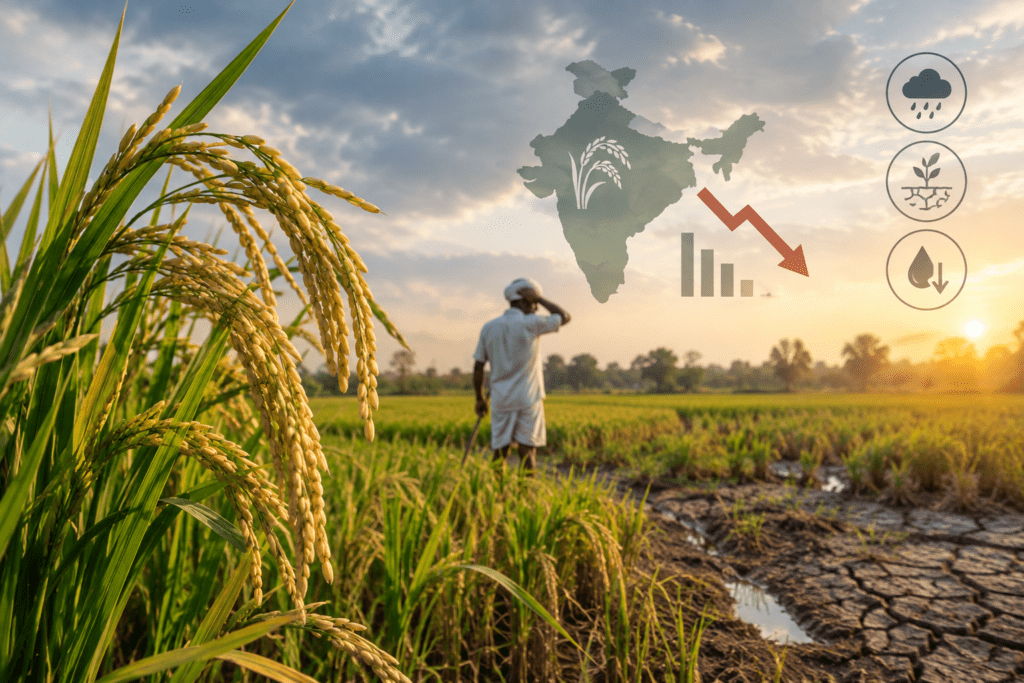
India’s monsoon is particularly important because it provides around 70% of the country’s annual rainfall, while nearly half of India’s farmland does not have irrigation. Recent reports indicate that rainfall during the 2026 monsoon season has been below average, while the possibility of a stronger El Niño has increased concerns about weather-related crop risks.
The impact is already being watched across crops such as cotton, soybean, corn and pulses.
At the same time, the picture is not entirely negative. Kharif sowing had reached about 87.7% of the normal seasonal average by August 7, with the gap from the previous year narrowing to around 1.8%. This suggests that farmers have continued planting despite earlier rainfall concerns.
For investors, these developments highlight an important point: agricultural investment is influenced not only by land prices, but also by rainfall, crop selection, irrigation, input costs and commodity demand.
Agricultural markets are also being influenced by international developments.
The FAO Food Price Index rose to 131.1 points in July 2026, its highest level since January 2023. Cereal prices increased as extreme weather and disruptions to global trade affected supply expectations. Vegetable-oil prices also moved higher, supported by factors including biodiesel demand and higher crude-oil prices.
These international movements matter to India because the country is a major agricultural producer but also depends on imports for several commodities, particularly edible oils.
Higher global prices can increase input and food costs. On the other hand, stronger commodity prices can create opportunities for efficient producers, processors and businesses connected to agricultural supply chains.
The changing agricultural market is also encouraging investors to look at the wider agricultural economy.
Investment opportunities can exist across several areas, including farmland, food processing, storage, logistics, irrigation, agricultural technology and commodity trading.
This shift is important because modern agriculture is no longer limited to what happens on a farm. A crop passes through several stages before reaching the consumer. Each stage creates economic value and investment opportunities.
Technology is also helping improve agricultural resilience. Precision farming, better irrigation systems, improved crop varieties and digital farm advisory tools are helping farmers manage weather and production risks more effectively.
For people considering farmland as a long-term asset, the current market environment offers several factors to watch.
Land with reliable water availability, good connectivity and productive agricultural potential may become increasingly important as climate and supply-chain risks receive more attention.
However, farmland should not be viewed as a guaranteed investment. Returns can depend on location, land quality, agricultural activity, management, infrastructure and broader market conditions.
This makes due diligence essential. Investors should examine land records, water availability, access roads, soil quality, permitted land use and the proposed agricultural model before making a decision.
India’s agricultural economy is becoming increasingly connected to organised commodity markets and investment systems.
The launch of new hedging products, stronger focus on domestic price discovery and continued investment in agricultural supply chains point towards a more sophisticated farm economy.
At the same time, weather remains a major uncertainty. The combination of changing rainfall patterns, global commodity prices and rising food demand means agricultural assets will continue to attract attention from businesses and investors.
For India, the opportunity lies in building a farm economy that is not only larger, but also more resilient, transparent and investment-ready.