
Owning farmland can feel simple from a distance. You buy the land, visit when you can, and watch the greenery grow. But a farm does not work that way. Crops need attention, trees need care, irrigation needs monitoring, and the land needs regular maintenance.
This is where Managed Farmland becomes important. Professional farm management helps ensure that agricultural land receives consistent care even when the owner cannot visit regularly. For people living or working in Bengaluru, managing farmland located outside the city can be difficult without the right support.
A well-managed farm is not simply land with plants on it. It is an ongoing responsibility that requires planning, monitoring, and timely action.
Why Farmland Needs Attention All Year
A farm follows its own schedule. It does not pause because the owner is busy or away.
Different seasons bring different requirements. During one period, the focus may be planting or soil preparation. Later, the same land may need irrigation, pruning, pest monitoring, harvesting, or general maintenance.
Regular farm care can include:
- Monitoring crops and trees
- Managing irrigation and water usage
- Controlling weeds and unwanted growth
- Pruning and maintaining trees
- Checking soil and crop conditions
- Managing pests and diseases
- Maintaining fencing and farm infrastructure
- Keeping pathways and common areas clean
- Planning seasonal farm activities
Missing one task may not always create an immediate problem. However, delays can affect the overall health and upkeep of the farmland.
That is why professional management matters.
What Does Managed Farmland Really Mean?
Managed Farmland refers to agricultural land where professional teams take responsibility for planned farm operations and ongoing maintenance.
Instead of leaving every task to the landowner, a professional team oversees the day-to-day requirements of the farm. The exact services vary from one managed farm to another, but the goal remains consistent: keep the land productive, maintained, and properly cared for.
This approach can be especially useful for owners who do not live close to their farmland or cannot make frequent visits.
The owner remains connected to the land, while professional farm management handles the regular work required to maintain it.
The Work Behind a Well-Maintained Farm
A healthy-looking farm can make maintenance appear effortless. In reality, there is usually a lot happening behind the scenes.
1. Regular Crop and Tree Monitoring
Plants can respond quickly to changes in weather, water availability, soil conditions, and pests. Regular observation helps identify issues before they become larger maintenance problems.
Farm teams can monitor plant health and take suitable action based on the crop and season.
2. Irrigation and Water Management
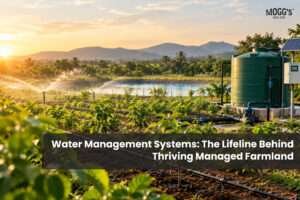
Water management is one of the most important parts of farm maintenance.
Too little water can affect plant growth, while unnecessary watering can waste resources and affect soil conditions. Professional teams can monitor irrigation systems and adjust farm practices according to seasonal requirements and crop needs.
3. Soil and Farm Maintenance
Good farming starts with healthy soil.
Farm maintenance may involve soil observation, nutrient management, weed control, mulching, and other practices depending on the type of crops being grown. These activities require consistency rather than occasional attention.
4. Pest and Disease Monitoring
Pests and plant diseases can appear without much warning. Early observation gives farm teams a better opportunity to identify problems and respond appropriately.
Professional Farm Management brings regular monitoring into the routine instead of waiting until a visible issue becomes difficult to manage.
What Happens When Farmland Is Left Unmanaged?
Leaving farmland unattended for long periods can create several practical challenges.
Vegetation may become overgrown. Irrigation systems can develop problems. Fencing or farm infrastructure may need repairs. Pest issues may go unnoticed, and seasonal farm activities can be delayed.
These are not necessarily signs of poor land ownership. They simply show that farmland requires ongoing attention.
For someone living in Bengaluru and owning land outside the city, visiting every few days may not be realistic. Work, travel, family commitments, and distance can make regular supervision difficult.
This is one reason Farm Management Services can be valuable.
Professional Farm Management Saves More Than Time
The obvious advantage of professional management is convenience. But the benefit goes beyond saving the owner a few trips.
Professional teams create a regular system for maintaining the farm. Tasks can be planned according to seasons, crop cycles, weather conditions, and the specific needs of the land.
This creates greater consistency.
For farmland owners, that can mean:
- Regular supervision instead of occasional visits
- Timely attention to farm-related issues
- Better coordination of routine activities
- Ongoing maintenance of the property
- Professional support for agricultural practices
- More convenient ownership for people living away from the farm
It is important to remember that professional management does not remove the natural uncertainties of agriculture. Weather, pests, water availability, crop performance, and other factors can still affect farming.
The purpose of management is to ensure that the land receives the attention it needs.
Managed Farmland for Owners in Bengaluru
Bengaluru has a growing interest in farmland ownership, but owning agricultural land outside the city comes with a practical question:
Who will look after it when you are not there?
This is where Managed Farmland Near Bengaluru can offer a different ownership experience.
Rather than treating farmland as a property that only needs occasional visits, managed farm communities combine land ownership with planned agricultural maintenance.
For city-based owners, this model can make it easier to stay connected with their farmland while professional teams take care of regular farm operations.
However, buyers should always understand exactly what is included in a management arrangement. Before choosing a property, ask about the scope of services, maintenance responsibilities, farming practices, infrastructure, and any associated charges.
What Should You Look for in Farm Management Services?
Not every management service works in the same way. Before purchasing farmland, it is useful to understand how the management system operates.
Consider asking:
- Who manages the farm?
Understand whether there is an in-house professional team or an external service provider. - What maintenance is included?
Ask for a clear list of services rather than relying on general descriptions. - How is irrigation handled?
Understand how water requirements are monitored and managed. - How are crops selected and maintained?
Different crops require different levels of care and seasonal planning. - How often is the farm monitored?
Regular supervision is important for identifying maintenance issues early. - How can owners track their farmland?
Ask whether owners receive updates, reports, photographs, or visit opportunities.
Clear answers to these questions can help buyers understand what they are actually getting.
Managed Farmland Is About Consistent Care
Farmland is different from an asset that simply sits untouched. Agricultural land has living systems that require regular attention.
Trees grow. Crops change with seasons. Soil conditions vary. Water requirements shift. Farm infrastructure needs maintenance.
That is why Farmland Management Services play an important role in long-term farm upkeep.
At Mogg’s Estates, the managed farmland approach focuses on developing and maintaining agricultural land through professional farm management. The idea is simple: farmland ownership should come with a structured approach to caring for the land, rather than leaving every responsibility to the individual owner.
For anyone exploring Farmland Investment or agricultural land ownership, management should be considered alongside location, documentation, land characteristics, development, and other practical factors.
Before You Buy: Look Beyond the Land
A farmland purchase should involve more than looking at the greenery and surroundings.
Before making a decision, review the property’s documentation, understand the ownership structure, verify relevant land records, and learn how the farm will be maintained after purchase.
You can also explore topics such as Land Documents, Land Title Verification, and RTC and Mutation Records to better understand the documentation involved in agricultural property.
Most importantly, ask yourself a practical question:
If you cannot visit your farmland for several weeks, who will take care of it?
The answer can make a significant difference to your ownership experience.
A Farm Needs Care Even When You Are Away
Your farmland does not take weekends off. It does not pause during holidays, work trips, or busy weeks.
It continues to grow, change, and require attention.
That is the central idea behind professional farm management. Managed Farmland brings structure and regular care into farmland ownership, allowing owners to remain connected to their land while trained teams handle ongoing agricultural and maintenance activities.
For people considering farmland near Bengaluru, understanding the management behind the land can be just as important as understanding the land itself.