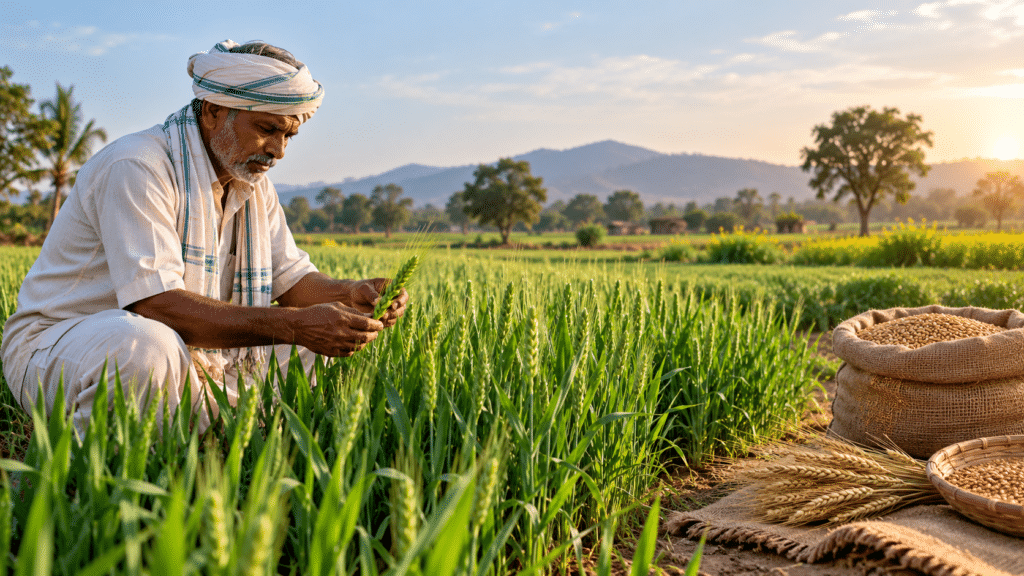
Andhra Pradesh’s Natural Farming Movement Wins 2026 Food Planet Prize, Putting India’s Climate-Resilient Agriculture in the Global Spotlight
A large-scale farming movement in Andhra Pradesh has gained international recognition after the Andhra Pradesh Community Managed Natural Farming (APCNF) was named the winner of the 2026 Food Planet Prize, one of the world’s major environmental awards The recognition places India’s natural farming movement at the centre of an increasingly important global conversation: how can agriculture produce enough food while reducing pressure on soil, water and ecosystems?

Top Stories
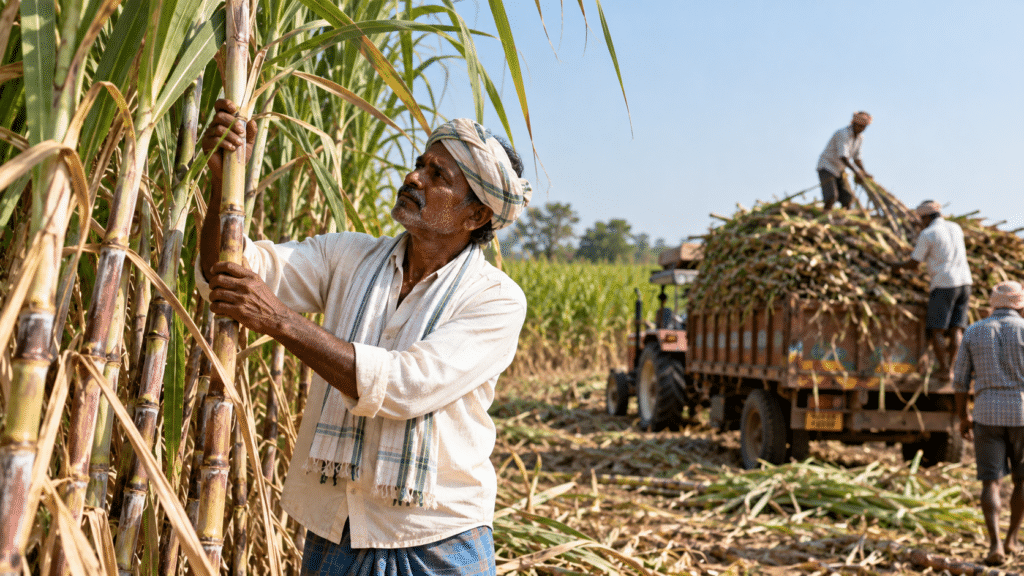
Karnataka Sugarcane Farmers Demand Fair Prices as Centre Reviews Pricing Policy
Sugarcane Prices Become a Key Issue for Karnataka Farmers Sugarcane pricing has become a major issue in Karnataka's agricultural markets, with farmers demanding better returns for their produce. On 15 October 2026, sugarcane growers in Belagavi continued their protest, asking the Central Government to announce a Minimum Selling Price (MSP) for sugar before further discussions on their demands.
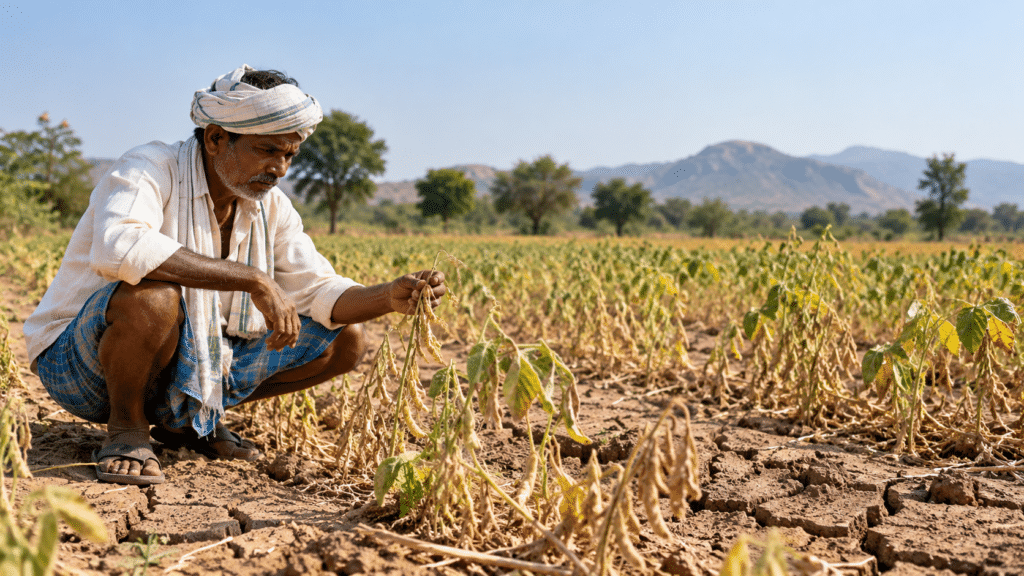
Karnataka Farm Crisis: Drought Losses Reach ₹46,000 Crore as Farmers Seek Relief
Karnataka's agricultural sector is facing a serious drought challenge, with estimated losses reaching approximately ₹46,000 crore, according to a report published on October 12, 2026. The state government has sought financial assistance from the Centre to support drought-affected farmers.
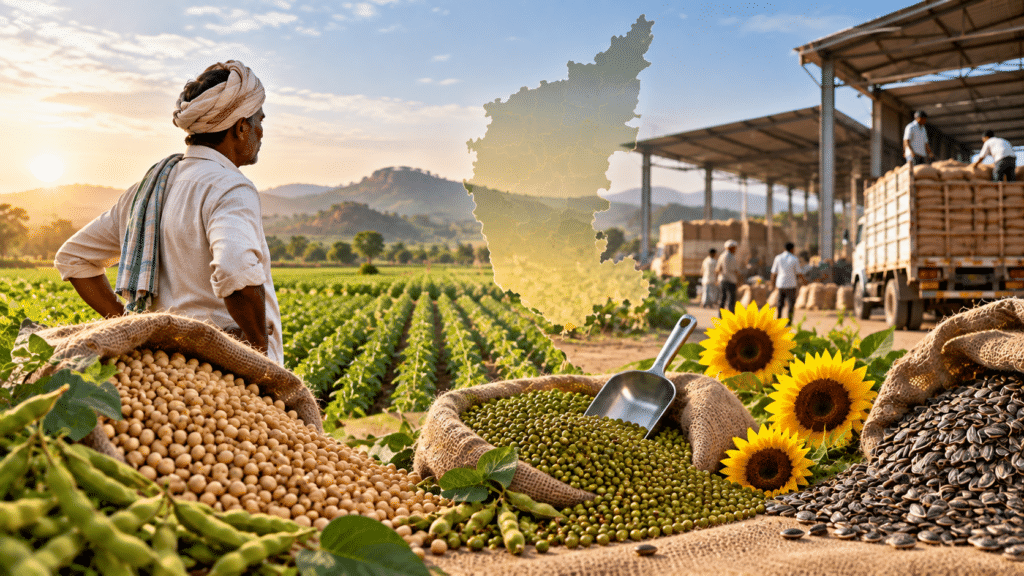
Farms News: Karnataka Gets MSP Procurement Approval for Soybean, Green Gram and Sunflower
Centre approves MSP procurement of three major crops from Karnataka Farmers growing soybean, green gram and sunflower in Karnataka will have access to government procurement at the Minimum Support Price (MSP) for the Kharif 2026–27 season. The Centre has approved procurement of 1,15,500 metric tonnes of soybean, 38,250 metric tonnes of green gram and 13,413 metric tonnes of sunflower from Karnataka under the Price Support Scheme (PSS). The decision is particularly relevant to Karnataka's farm sector because it provides an organised procurement mechanism for three important pulse and oilseed crops during the current marketing season.
Investment

India’s Real Estate Investment Surges in 2026 as Capital Flows Into Data Centres, Offices and Development Land
India’s real estate investment market recorded strong activity during the third quarter of 2026, with capital inflows reaching US$9.5 billion, according to CBRE’s latest India Market Monitor. The figure represents more than double the investment recorded in both the same quarter a year earlier and the previous quarter. The latest numbers also show that investors are directing capital across several real estate segments, including data centres, office assets and land and development sites.

India Attracts $5 Billion Semiconductor Investment as Global Companies Expand Technology Operations
Applied Materials Announces $5 Billion India Investment to Expand Semiconductor Industry India's semiconductor industry is attracting significant international investment as global technology companies look to expand their operations and strengthen supply chains. Applied Materials, a US-based semiconductor equipment manufacturer, has announced plans to invest $5 billion in India over the next decade. The announcement was made during SEMICON India, a major semiconductor industry event held in New Delhi. The investment reflects growing attention on India's technology manufacturing capabilities, research ecosystem and long-term industrial development.

Brookfield Investment in India: $600 Million for Green Fuel Projects
Global investment firm Brookfield plans to invest up to $600 million in ACME Cleantech Ventures. The Brookfield investment in India will support green molecule projects in India and the Middle East. These projects include green ammonia and green methanol facilities. The investment will be made through Brookfield’s Global Transition Fund strategy. The fund focuses on investments that support the transition to a lower-carbon economy.

Indian Family Office Assets Set to Grow 1.5x as Investors Shift Towards Alternative Assets
India’s family office ecosystem is entering a new phase as wealthy families increasingly look beyond traditional investments. A new Julius Baer–EY report estimates that Indian family office assets could grow by 1.5 times over the next three years. The report highlights a wider shift in how India's wealthy investors manage and deploy capital. Family offices are becoming more active in private markets, technology-led sectors and alternative assets.
Lifestyle & Land

Kalyana Karnataka Street Festival 2026 Brings Culture, Food and Local Experiences to Kalaburagi
Kalyana Karnataka is putting its local culture in the spotlight with the Kalyana Karnataka Street Festival 2026 in Kalaburagi. The festival is part of Karnataka Tourism’s latest efforts to showcase regional experiences beyond the state’s well-known tourist destinations. Karnataka Tourism listed the festival among its September 2026 tourism updates.
LifestyleIndia Hosts World Circular Economy Forum 2026 as Sustainable Living Takes Centre Stage
The World Circular Economy Forum 2026 has begun in Gandhinagar, Gujarat. The global event is being held from September 15 to 18. This is the first time the forum is being hosted in South Asia. More than 2,000 participants from over 65 countries are attending the event. The forum focuses on recycling, reuse, resource efficiency and sustainable living. It also looks at how businesses, governments and communities can reduce waste.
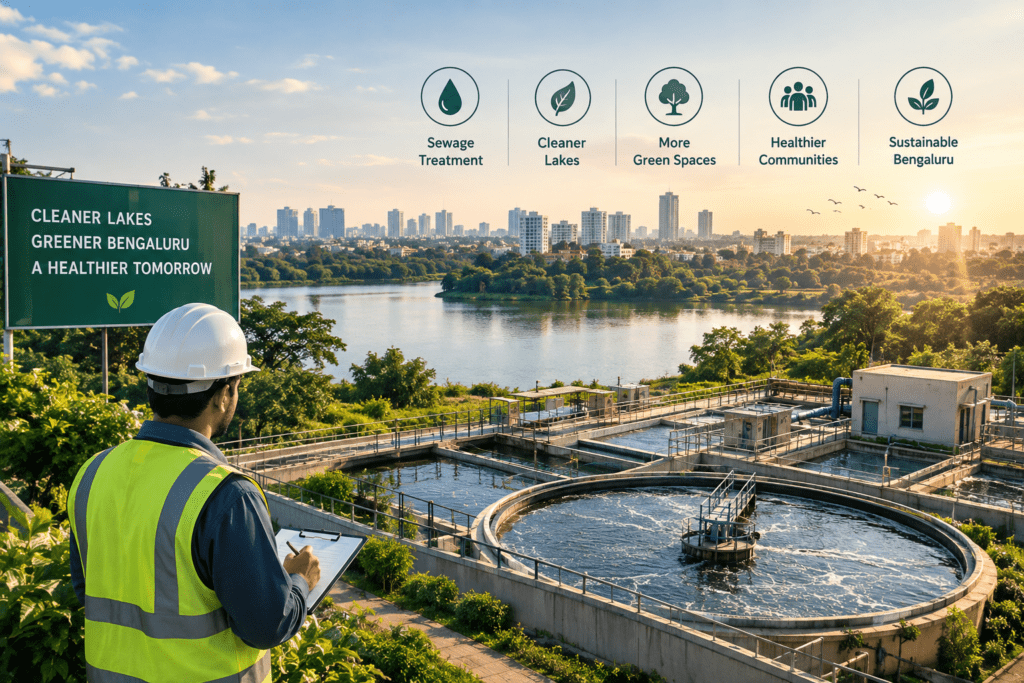
Bengaluru Tightens Sewage Checks as City Focuses on Cleaner Lakes and Waterways
Bengaluru Steps Up Checks on Sewage Treatment Plants Bengaluru is strengthening its focus on sewage management as concerns over water pollution continue to grow. Karnataka’s Forest, Environment and Ecology Minister Ramalinga Reddy has directed officials to carry out stricter inspections of sewage treatment plants (STPs) across the city. The Bangalore Water Supply and Sewerage Board (BWSSB) and Karnataka State Pollution Control Board (KSPCB) have been asked to ensure that STPs follow prescribed environmental standards. The move comes as the city continues to balance rapid development with the need to protect its lakes, groundwater and other natural resources.
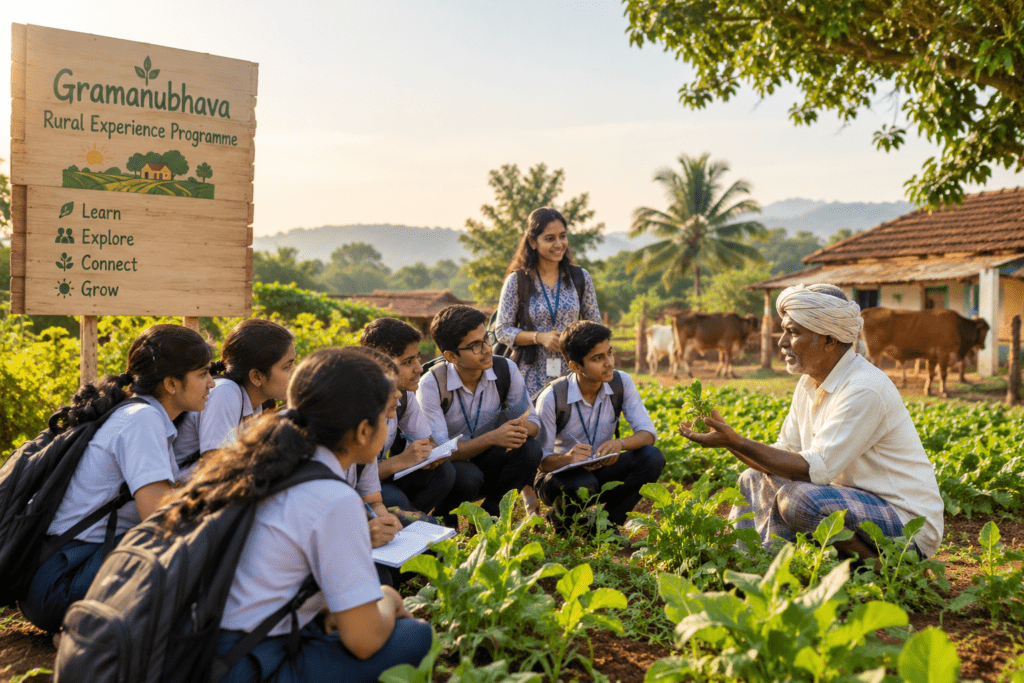
From Classrooms to Farms: 2.15 Lakh Bengaluru Students to Experience Rural Life
More than 2.15 lakh students from urban schools and pre-university colleges in Karnataka are set to experience rural life this academic year. The Karnataka government has approved a new ‘Gramanubhava’ Rural Experience Programme. The initiative will take students beyond classrooms and into villages, farms and rural communities between September and December 2026.
In Pictures