If you had searched for managed farmland five or ten years ago, you would have found very little information. Today, things have changed dramatically. Across India, especially around cities like Bengaluru, managed farmland has become one of the most talked-about investment options among professionals, entrepreneurs, NRIs, doctors, and families looking for something beyond traditional real estate.
But what exactly is managed farmland?
Is it simply agricultural land with a new name, or is it a different way of owning land?
Can someone with no farming experience invest in it? Is it suitable for long-term investment? And most importantly, how do you choose the right managed farmland project?
If these questions are on your mind, you’re not alone.
This guide explains everything you need to know about managed farmland, from how it works to the benefits, legal checks, and important factors to consider before investing.
What Is Managed Farmland?
Managed farmland is agricultural land that is professionally developed and maintained by a specialized company. Instead of buyers handling every aspect of farming themselves, the day-to-day activities are managed by experienced teams.
This usually includes plantation maintenance, irrigation systems, landscaping, common infrastructure, security, and other farm-related operations.
Unlike purchasing traditional agricultural land, where owners are responsible for every activity, managed farmland makes ownership much more convenient.
In simple words, you own the land, while the operational management is handled professionally.
This model has become increasingly popular because many investors want to enjoy the benefits of farmland ownership without having to become full-time farmers.
Why Is Managed Farmland Becoming Popular?
People’s priorities have changed over the last few years.
Earlier, most investments focused only on financial returns. Today, buyers are also looking for better lifestyles, healthier environments, and assets they can personally enjoy.
Rapid urbanisation, increasing traffic, rising pollution, and stressful work schedules have encouraged many families to spend more time outdoors.
This shift has naturally increased interest in managed farmland.
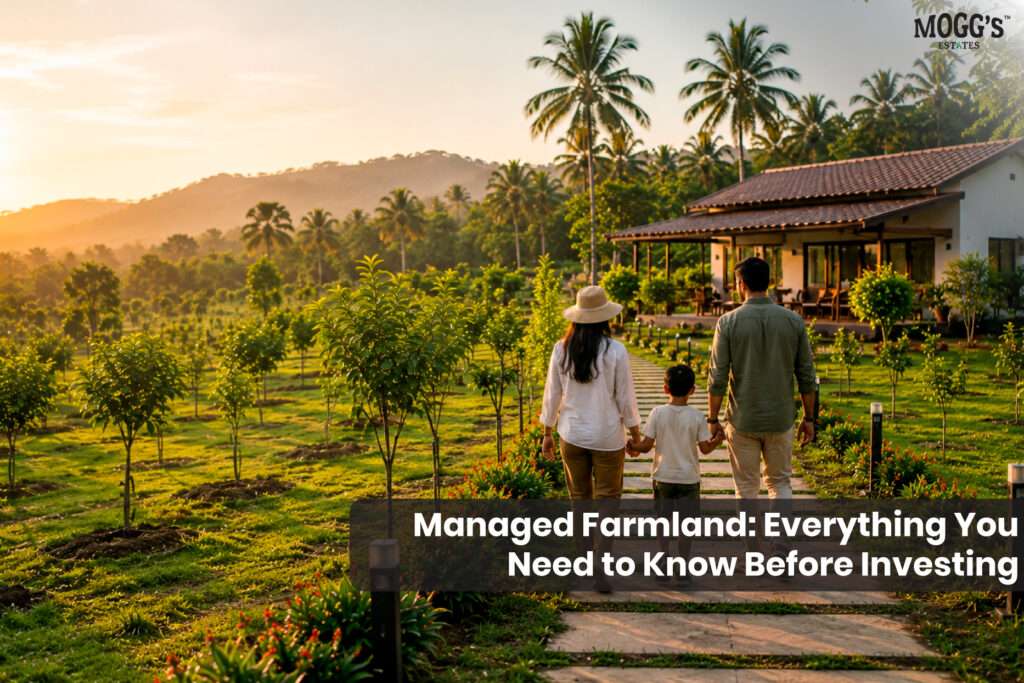
Instead of buying another apartment or investing only in financial products, many people now prefer owning a piece of land where they can visit on weekends, spend time with family, and reconnect with nature.
For urban professionals, managed farmland offers something that many city investments cannot—a combination of ownership, open spaces, and lifestyle.
How Does Managed Farmland Work?
One of the biggest misconceptions is that managed farmland requires buyers to learn farming or manage agricultural activities themselves.
In reality, professionally managed farmland projects are designed to simplify ownership.
When you purchase a managed farmland plot, you remain the owner of the land. The developer or management company typically takes care of common operational responsibilities such as:
- Plantation maintenance
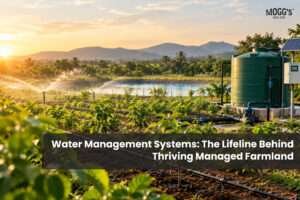
- Drip irrigation systems
- Water management
- Landscaping
- Internal roads
- Common area maintenance
- Security
- Farm supervision
This allows owners to enjoy their farmland without worrying about daily maintenance.
For working professionals who have limited time, this model makes farmland ownership practical and accessible.
Managed Farmland vs Traditional Agricultural Land
Many people assume both are the same, but there are significant differences.
Traditional agricultural land often requires owners to arrange irrigation, labour, fencing, plantation management, and maintenance independently.
Managed farmland is designed to reduce these responsibilities by offering organised infrastructure and professional management.
Instead of starting everything from scratch, buyers become part of a planned farmland community where many essential services are already in place.
This difference is one of the biggest reasons managed farmland continues to gain popularity among first-time land investors.
Benefits of Investing in Managed Farmland
1. Professional Farm Management
One of the biggest advantages is convenience.
Most buyers do not have the time or expertise to manage farmland themselves. Professional management teams help maintain plantations, irrigation systems, and common infrastructure, making ownership much simpler.
2. A Tangible Asset
Unlike digital investments or financial instruments, land is a physical asset.
You can visit it, experience it, and enjoy it with your family.
Many investors appreciate the sense of ownership that comes with holding a real asset.
3. A Better Weekend Lifestyle
Modern life often leaves very little room to slow down.
Managed farmland provides a peaceful environment where families can spend weekends away from city traffic.
Children get open spaces to play.
Adults get fresh air and greenery.
Instead of spending weekends inside shopping malls, many families now prefer spending time surrounded by nature.
4. Portfolio Diversification
Every investment carries its own characteristics and risks.
Many investors choose managed farmland as part of a diversified portfolio rather than relying on a single asset class.
Land behaves differently from equities or fixed-income investments, making it an option some investors consider for diversification.
5. Long-Term Ownership Potential
Land is a finite resource.
While no investment can guarantee appreciation, well-located farmland may benefit from infrastructure improvements, connectivity, and regional development over time.
This is one reason managed farmland is often viewed as a long-term investment rather than a short-term opportunity.
Who Should Consider Managed Farmland?
Managed farmland is suitable for a wide range of buyers, including:
- IT professionals
- Doctors
- Entrepreneurs
- Business owners
- NRIs
- First-time land investors
- Families looking for weekend retreats
- Individuals interested in sustainable living
The common factor among these buyers is simple—they want to own land without the challenges of managing a farm full time.
What Should You Check Before Buying Managed Farmland?
Buying farmland should always involve proper due diligence.
Before making a decision, consider the following:
Legal Documentation
Verify ownership records, title documents, survey details, and registration status.
Water Availability
Reliable water sources and irrigation systems are essential for agricultural land.
Connectivity
Choose a location that is easy to reach from Bengaluru, making regular visits practical.
Developer Reputation
Research the developer’s experience, completed projects, and management approach.
Farm Management Model
Understand exactly what services are included after purchase and how the farmland will be maintained.
Lifestyle Amenities
Many professionally managed farmland projects now include features such as clubhouses, swimming pools, walking trails, children’s play areas, landscaped gardens, and recreational spaces, creating a more enjoyable experience for owners and their families.