Agriculture
Crop science, agri-tech and sustainable farming from the fields we manage.
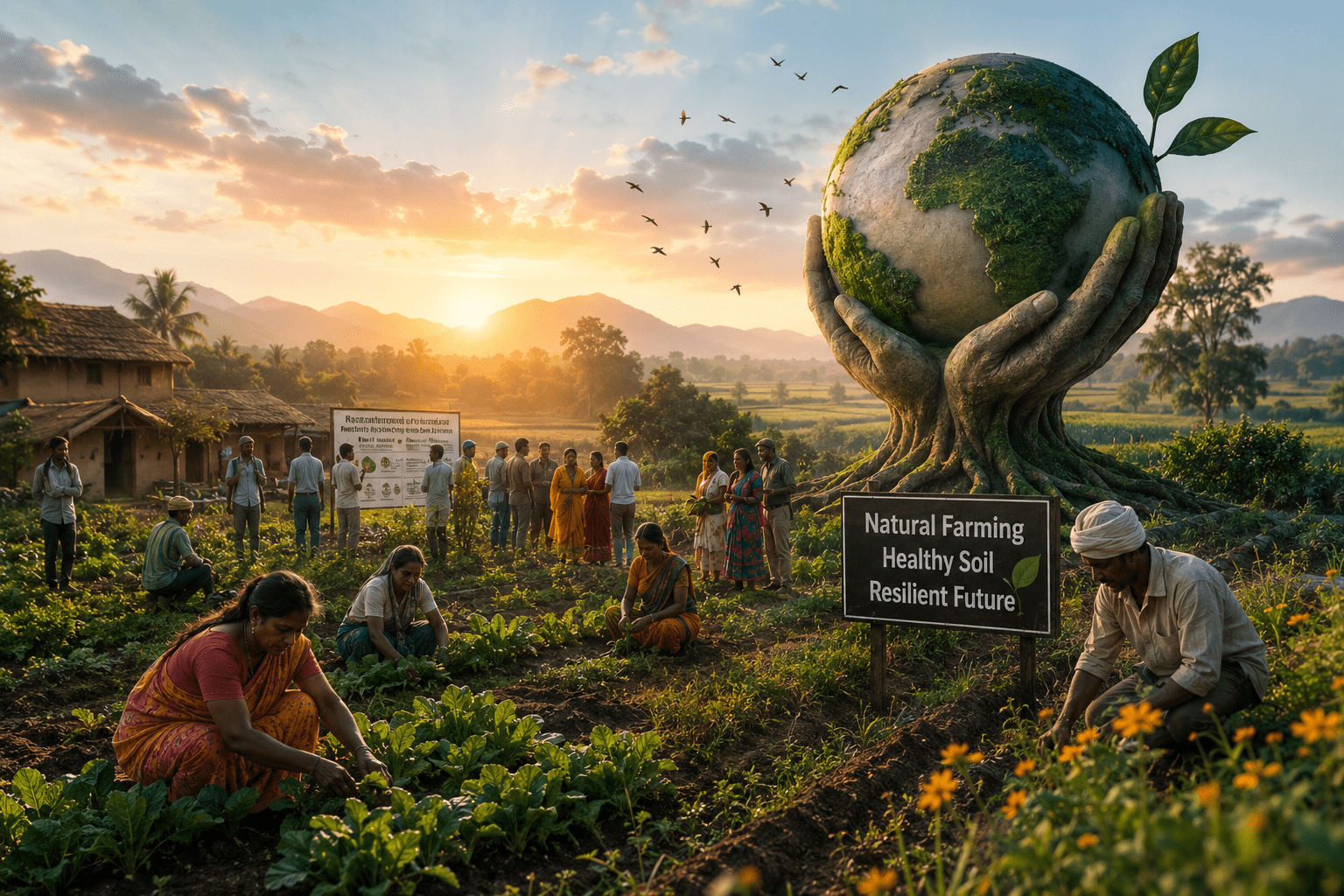
Andhra Pradesh’s Natural Farming Movement Wins 2026 Food Planet Prize, Putting India’s Climate-Resilient Agriculture in the Global Spotlight
A large-scale farming movement in Andhra Pradesh has gained international recognition after the Andhra Pradesh Community Managed Natural Farming (APCNF) was named the winner of the 2026 Food Planet Prize, one of the world’s major environmental awards The recognition places India’s natural farming movement at the centre of an increasingly important global conversation: how can agriculture produce enough food while reducing pressure on soil, water and ecosystems?
More in Agriculture
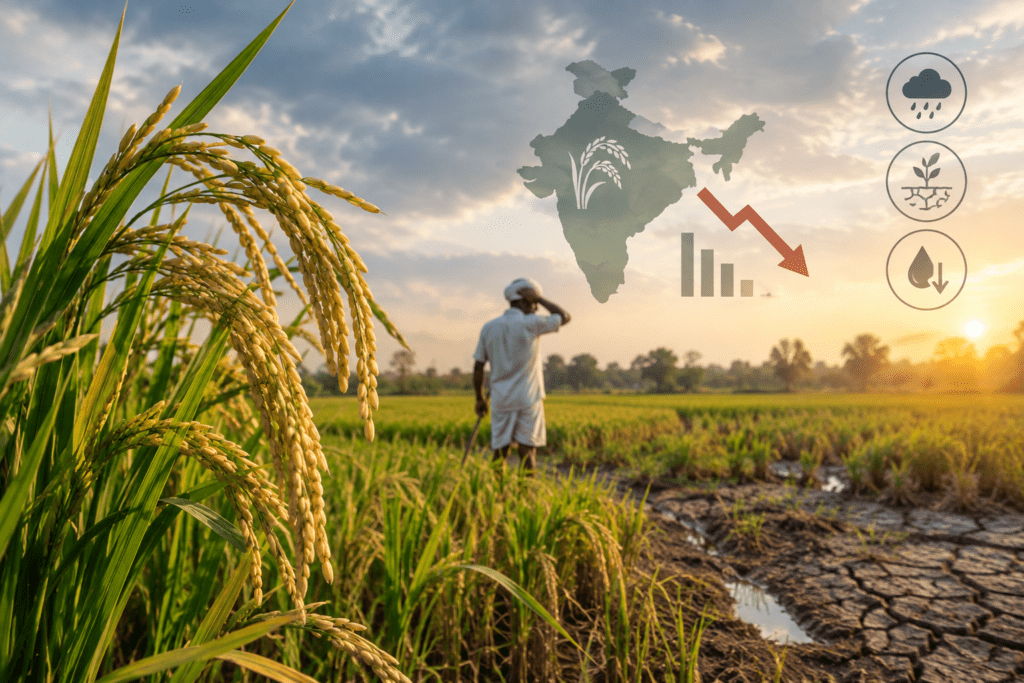
India’s Rice Production Faces Sharp Drop as Rainfall Hits Crop Yields
India’s rice production is expected to decline this year after below-normal rainfall affected crops during an important growth stage. Industry estimates suggest that rice output could fall by around 10 million tonnes from last year’s record production. That would represent a decline of about 6.5% from the previous year. The expected fall could become India’s biggest rice production decline in nearly two decades.
AgricultureDryland Congress 2026 Calls for New Push to Make Farming More Resilient
Dryland Agriculture Takes Centre Stage in New Delhi India has renewed its focus on dryland agriculture as the Dryland Congress 2026 concluded in New Delhi. The three-day Congress ended with the adoption of the Delhi Declaration on Drylands. The declaration calls for greater cooperation, innovation and knowledge sharing to strengthen farming in dryland regions. The Congress was organised by the Indian Council of Agricultural Research (ICAR) and the International Crops Research Institute for the Semi-Arid Tropics (ICRISAT).
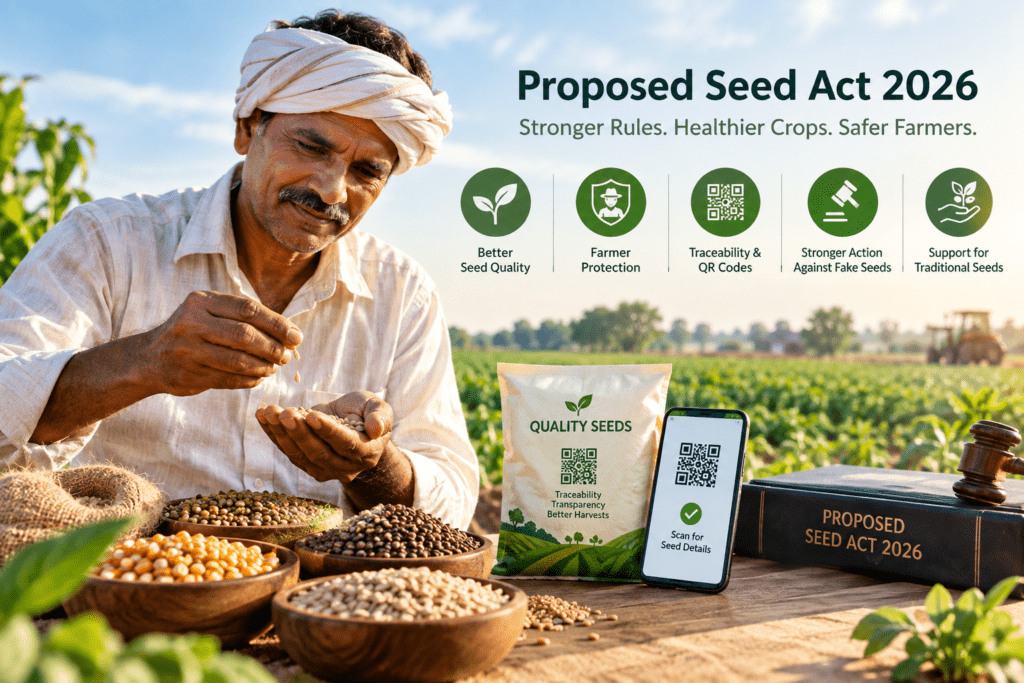
Proposed Seed Act 2026 Puts Farmer Protection and Seed Quality in Focus
Proposed Seed Act 2026 Moves Closer to Stronger Farmer Protection India is reviewing its rules for the seed sector. The government has started fresh consultations on the Proposed Seed Act 2026. Agriculture Minister Shivraj Singh Chouhan met farmer organisations in New Delhi on September 10. The meeting focused on seed quality, farmer rights and stronger action against fake and poor-quality seeds. The government says the current legal framework needs an update. The existing Seed Act was introduced in 1966. The Seeds Control Order followed in 1983. Agriculture has changed significantly since then. The proposed law aims to create a stronger and more uniform system for India's seed sector.
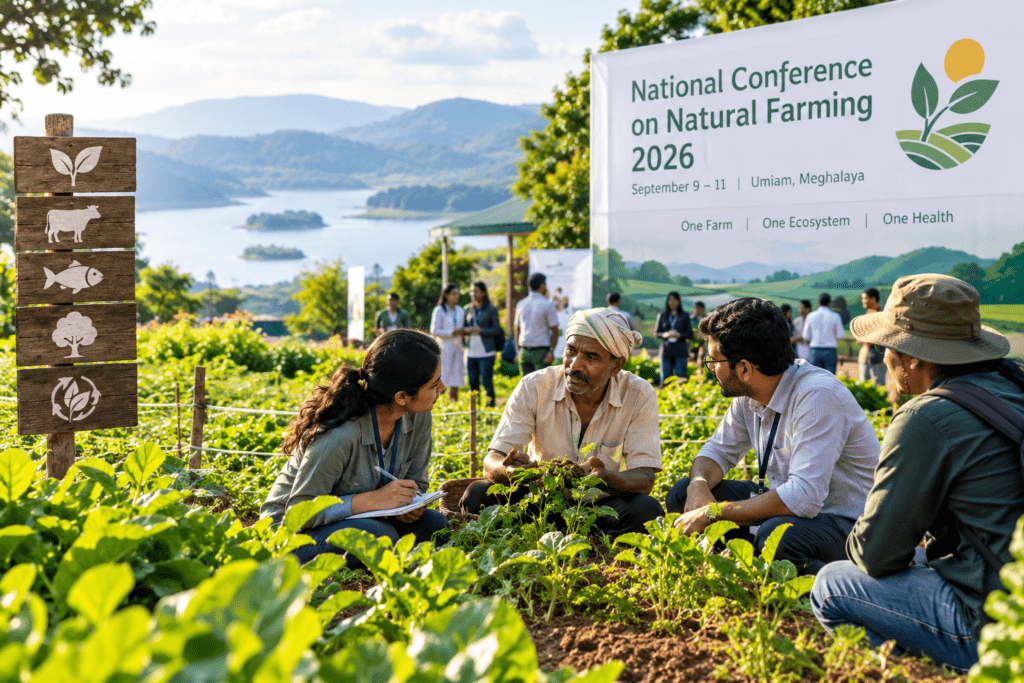
Natural Farming Takes Centre Stage as National Conference Set for September 9–11
India is putting a stronger focus on natural farming as farmers, researchers and agricultural institutions prepare to meet at the National Conference on Natural Farming 2026. The three-day conference will take place from September 9 to 11 at Umiam, Meghalaya. More than 400 participants from 21 states and 51 agricultural institutions are expected to take part. The event will focus on practical ways to make farming more sustainable, resilient and economically viable.

India Expands Digital Fertiliser Tracking to Improve Farm Supply and Subsidies
India is taking another step towards digital agriculture. The government is expanding a nationwide system that tracks fertiliser from production to retail. The system will also connect fertiliser purchases with farmer, land and crop records. The move aims to improve fertiliser availability and make subsidy management more transparent. It could also help officials identify supply gaps before they affect farmers. The development is important for Indian agriculture. Fertilisers are a key farm input. Timely access can directly affect crop production and farm planning.
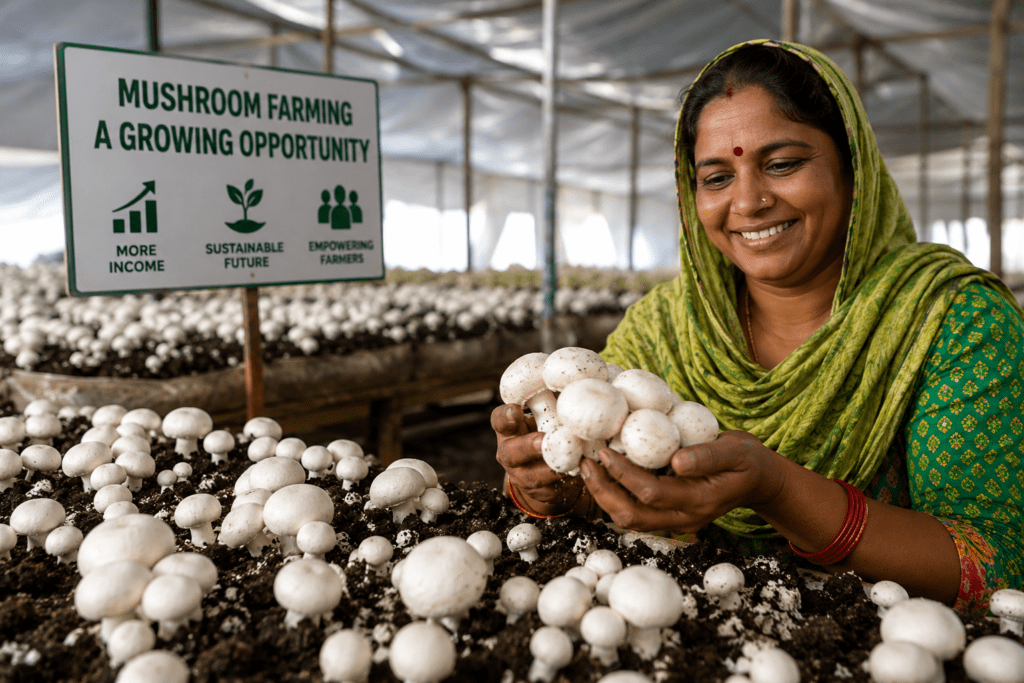
India’s Mushroom Farming Grows Rapidly, With Bihar Leading the Change
India’s agriculture sector is seeing growth in an unexpected area: mushroom farming. Mushroom production in India has increased sharply over the past decade. Production rose from about 51,000 tonnes in 2015 to 347,750 tonnes in 2024. The growth has made mushroom cultivation an increasingly important part of India’s agricultural economy.

Gujarat Wins Agriculture Leadership Award 2026 for Horticulture: What the Recognition Says About India’s Changing Farm Economy
Gujarat has received the Agriculture Leadership Award 2026 for its performance in the horticulture sector, placing the state’s agricultural development back in the national spotlight. The recognition was presented at the 17th Agriculture Leadership Conclave 2026, held in New Delhi on July 8–9. Union Defence Minister Rajnath Singh presented the award, which was received on behalf of the Gujarat government by Agriculture Minister Jitu Vaghani.
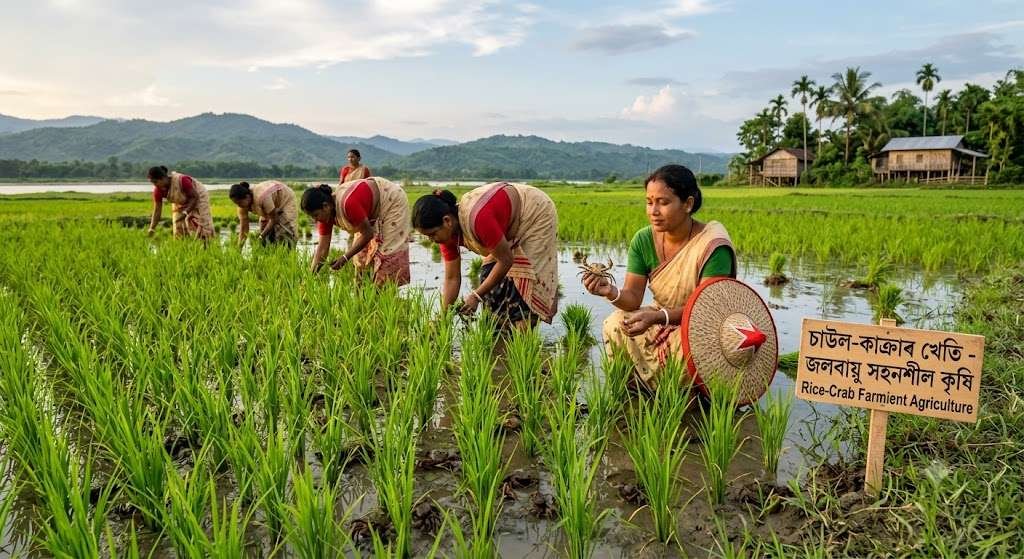
Assam Farmers Turn to Rice-Crab Farming as Climate Challenges Grow
Farmers in Assam are adopting an unusual but promising approach to deal with unpredictable weather: growing indigenous rice and freshwater crabs together in the same farmland. The women-led farming model, being promoted with support from the Assam State Rural Livelihood Mission (ASRLM), combines traditional rice cultivation with crab farming to provide farmers with an additional source of income while reducing dependence on chemical inputs. The initiative is being expanded across 219 blocks in the state.
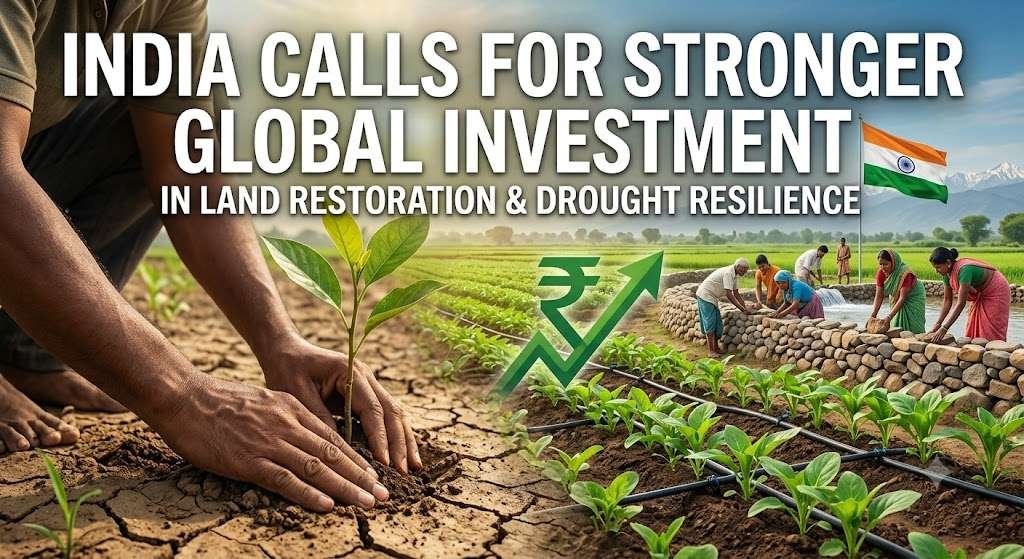
India Calls for Stronger Global Investment in Land Restoration and Drought Resilience
India has called for stronger and more predictable international financing for land restoration and drought resilience, highlighting the growing need to protect agricultural land, water resources and ecosystems from environmental stress. Speaking at a ministerial dialogue on innovative financial mechanisms for healthy land and drought resilience during the 17th Conference of Parties (COP17) of the UN Convention to Combat Desertification in Ulaanbaatar, Mongolia, Union Environment Minister Bhupender Yadav said land restoration should be viewed as an investment rather than simply a cost.
