Agriculture
Crop science, agri-tech and sustainable farming from the fields we manage.

Andhra Pradesh’s Natural Farming Movement Wins 2026 Food Planet Prize, Putting India’s Climate-Resilient Agriculture in the Global Spotlight
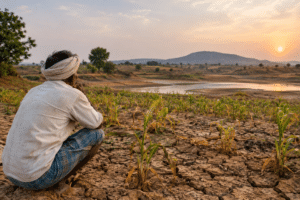
A large-scale farming movement in Andhra Pradesh has gained international recognition after the Andhra Pradesh Community Managed Natural Farming (APCNF) was named the winner of the 2026 Food Planet Prize, one of the world’s major environmental awards The recognition places India’s natural farming movement at the centre of an increasingly important global conversation: how can agriculture produce enough food while reducing pressure on soil, water and ecosystems?

More in Agriculture
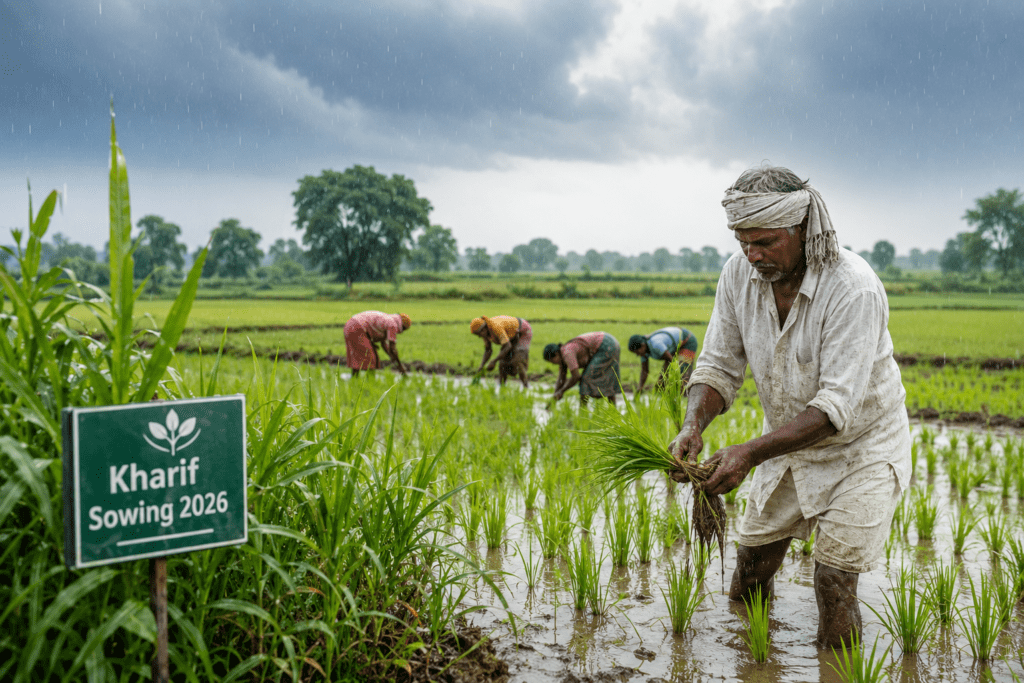
India’s Kharif Sowing Recovers as July Rains Bring Relief to Farmers
India’s kharif sowing season has shown signs of recovery after improved rainfall in July helped farmers make up for a weak start to the monsoon. The development offers fresh optimism for agricultural production and food-price stability as the country moves deeper into the 2026 cropping season.
PHDCCI Agri-Business Awards 2026 Put Innovation and Sustainable Farming in the Spotlight
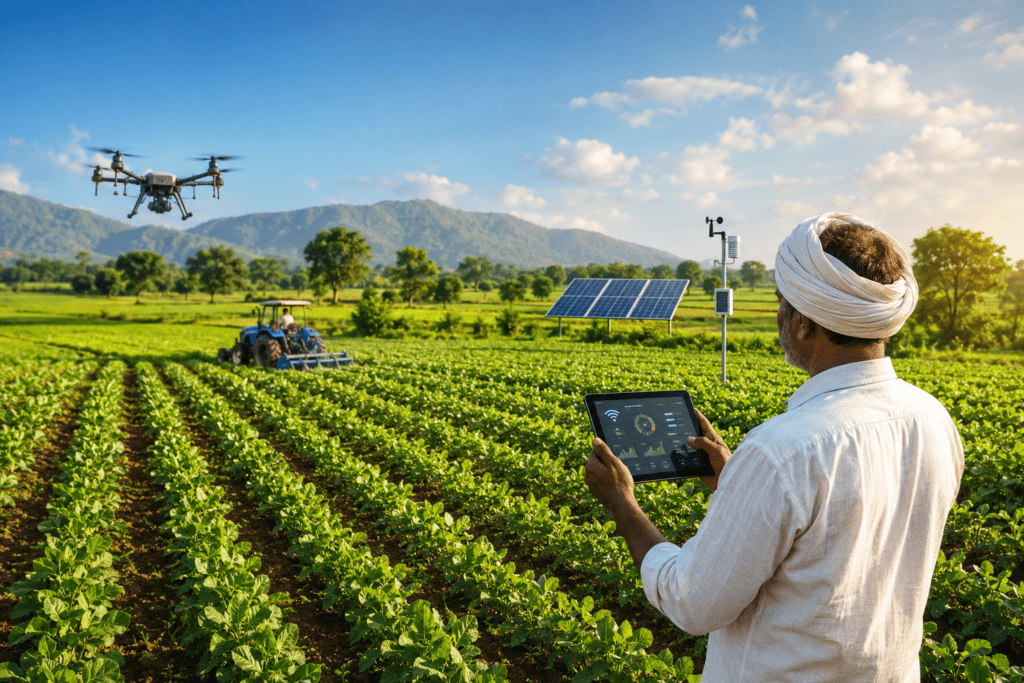
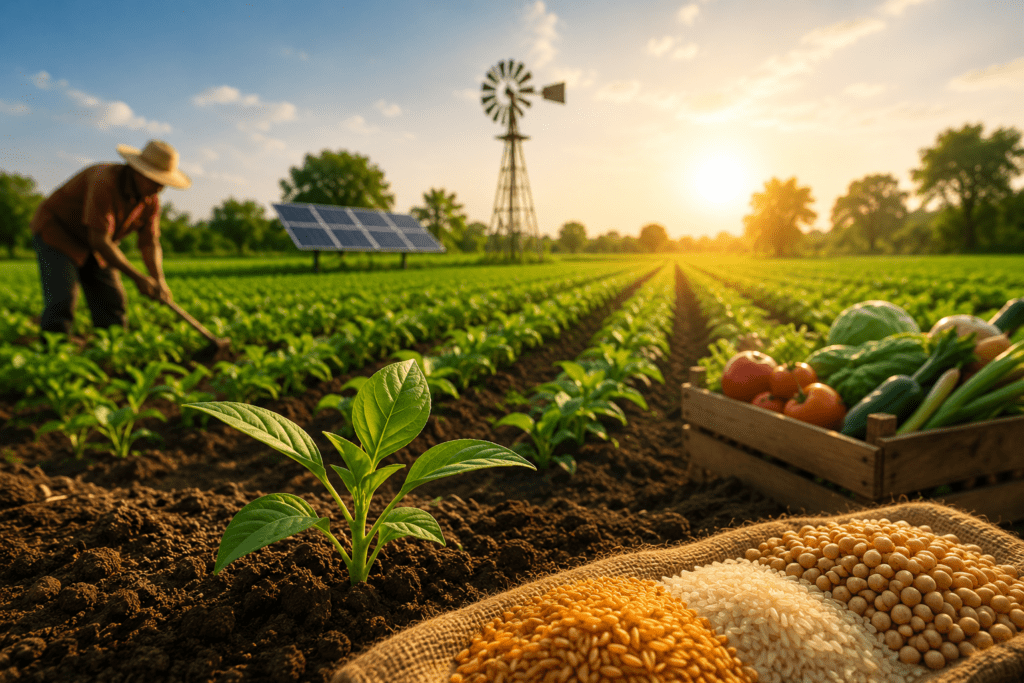
Sustainable Agriculture Takes Centre Stage as India Focuses on Resilient Rural Growth
India’s agricultural sector is moving into a new phase. The focus is no longer only on increasing crop production. Farmers, policymakers, researchers and businesses are paying greater attention to sustainability, technology, rural value chains and long-term resilience.
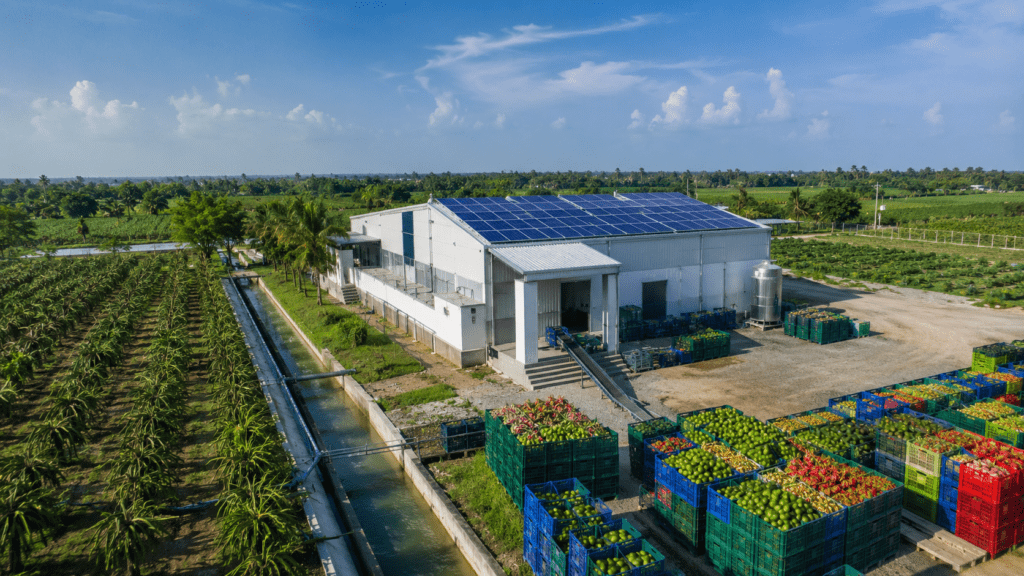
Agriculture Infrastructure Fund Expands Subsidized Financing for On-Farm Cold Chains and Processing Assets
Under the Central Government’s ₹1 lakh crore Agriculture Infrastructure Fund (AIF), individual landholders, agri-entrepreneurs, and Farmer Producer Organizations (FPOs) are accelerating investments in farm-gate infrastructure.

Digitized Land Revenue Systems in Southern India Boost Confidence in Managed Farmland Investments
Southern India's digital transformation of land records is making agricultural land transactions more transparent and efficient. States such as Karnataka, Telangana, and Maharashtra have introduced digital land record platforms that simplify access to ownership records, mutation history, and land-related information. As a result, investors, managed farmland developers, and financial institutions can begin the due diligence process with greater clarity.
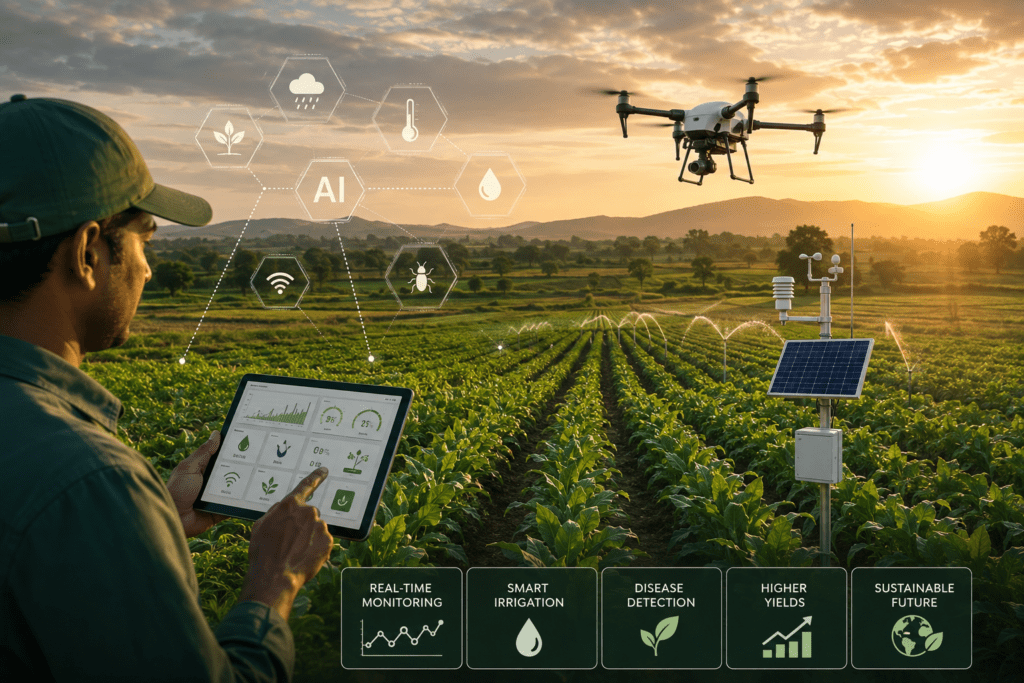
AI is Reshaping Indian Agriculture: What It Means for the Future of Managed Farmland
Artificial Intelligence (AI) is no longer just a buzzword in India's technology sector—it is steadily becoming a practical tool in agriculture. With the Government of India encouraging digital farming through initiatives such as the Digital Agriculture Mission, AI-powered technologies are beginning to transform how farms are managed, monitored, and maintained. For investors, landowners, and managed farmland developers, this shift represents more than technological progress. It signals a future where data-driven decisions, efficient resource management, and sustainable farming practices can improve both agricultural productivity and the long-term value of farmland.
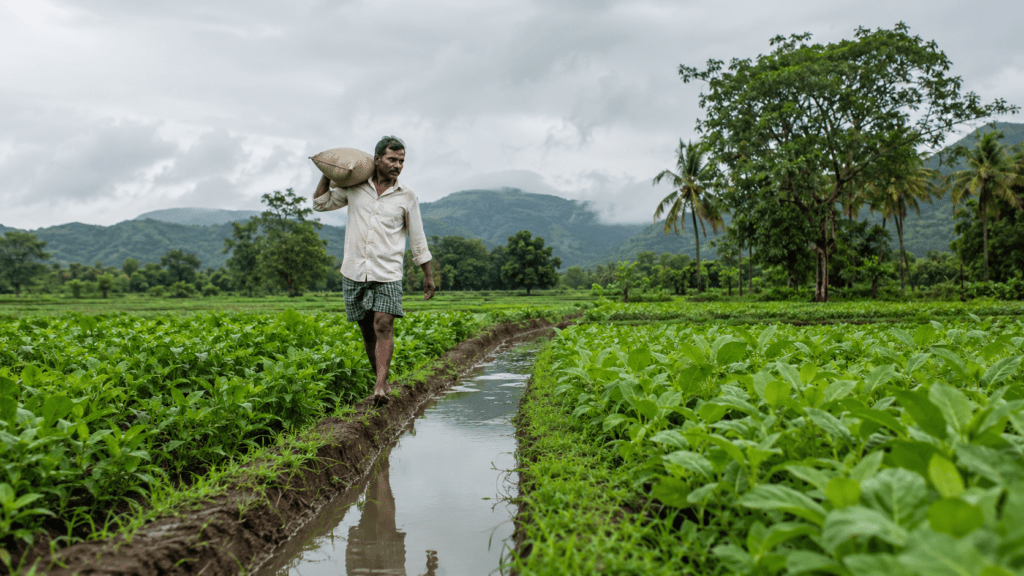
Fertilizer Demand Holds Steady Across Key Agricultural Belts Despite Weather Volatility
Despite initial monsoon delays and uneven rainfall distribution across several farming regions, fertilizer consumption in India has shown remarkable resilience. According to the latest data from the Ministry of Chemicals and Fertilizers, combined consumption of major inputs—including Urea and Di-Ammonium Phosphate (DAP)—recorded only a marginal dip through mid-2026 compared to the previous year.
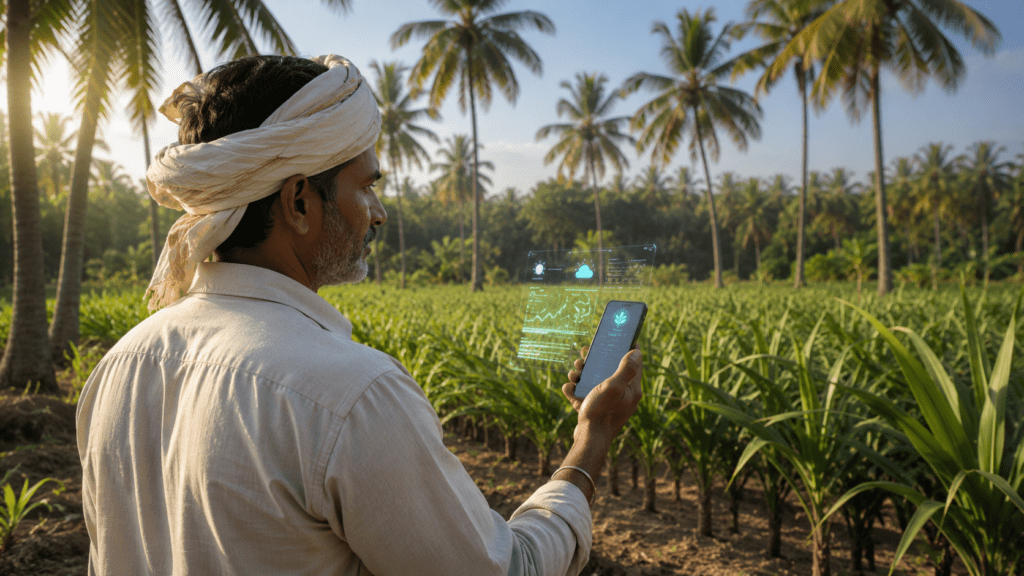
Government Allocates Budget for High-Value Crops and Launches ‘Bharat-VISTAAR’ AI Advisory Tool
In a bid to boost farm incomes and accelerate digital transformation across India’s agricultural sector, the Union Budget has introduced targeted financial packages for high-value crop cultivation alongside major funding for artificial intelligence in farming.

Supreme Court Issues Notice to Centre on Petition Seeking C2-Based MSP Guarantee for Farmers
The Supreme Court of India has agreed to hear a public interest litigation (PIL) seeking directives to compute Minimum Support Price (MSP) based on the comprehensive cost of production (C2-calculation) across all agricultural commodities. A bench comprising Chief Justice Surya Kant and Justice Joymalya Bagchi issued formal notices to the Union Government, the Commission for Agricultural Costs and Prices (CACP), and related authorities, asking them to submit their responses to the petition.
