Investment
Market analysis, tax benefits and why farmland belongs in every smart portfolio.

India’s Agriculture Investment Story Gets Bigger in 2026 as Farm Infrastructure Attracts ₹1.33 Lakh Crore
India’s agriculture sector is increasingly becoming an important part of the country’s broader investment story. New government data released in June 2026 shows that public spending, farm infrastructure and private participation are helping agriculture move beyond traditional crop production.



More in Investment
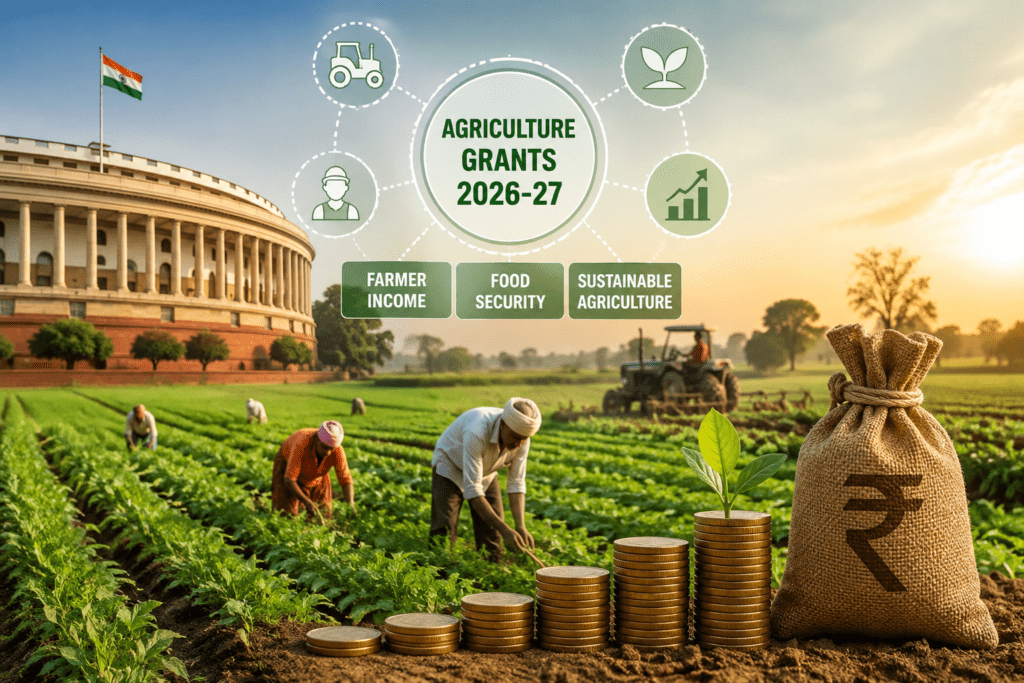
Lok Sabha Clears Agriculture Ministry’s 2026–27 Grants as Government Focuses on Farmer Income and Food Security
Lok Sabha approves the Agriculture Ministry’s 2026–27 grants, reinforcing the government’s focus on farmer income, food security, agricultural infrastructure and technology-led farming.
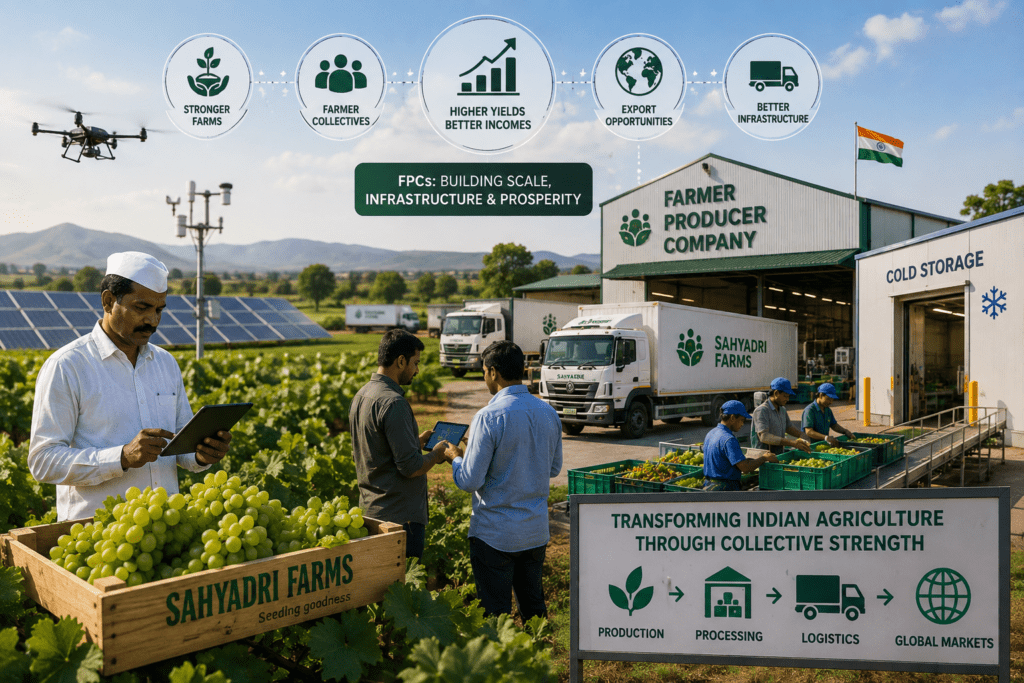
Farmer Producer Companies Are Changing India’s Agricultural Value Chain What Sahyadri Farms Shows
For a long time, Indian agriculture has faced a basic problem: farmers produce at small scale, while modern markets often operate at large scale. A farmer may have good land, strong farming skills and a quality crop. But reaching a distant market can still involve several challenges aggregation, grading, storage, transportation, processing, quality control and finding reliable buyers. Farmer Producer Companies (FPCs) are emerging as one way to address that gap.

India-France Deep-Tech Partnership Could Give Indian Farmland a New Technology Edge
India's relationship with France is entering a new phase, with technology, innovation and space emerging as important areas of cooperation. The development could have implications beyond traditional technology sectors, including agriculture, where satellite data, artificial intelligence and precision farming are becoming increasingly important. For India's managed farmland sector, the timing is significant.

Unlocking India’s Hidden Ecological Capital: Why Farmland Is Becoming More Than Just Agricultural Land
For years, farmland in India has largely been viewed through two familiar lenses: agricultural income and land appreciation. That view is beginning to change. As climate risks, water security and sustainable agriculture become more important to investors, another layer of value is gaining attention the ecological value created by well-managed farmland.

Indian Farmland Investment: How Satellite Data and Carbon Farming Are Changing Agricultural Land
India's agricultural land market is entering a more technology-driven phase. Investors are paying greater attention to water security, soil health, farm productivity and environmental performance. At the same time, satellite imagery and digital monitoring are making it easier to track farming practices across large areas.
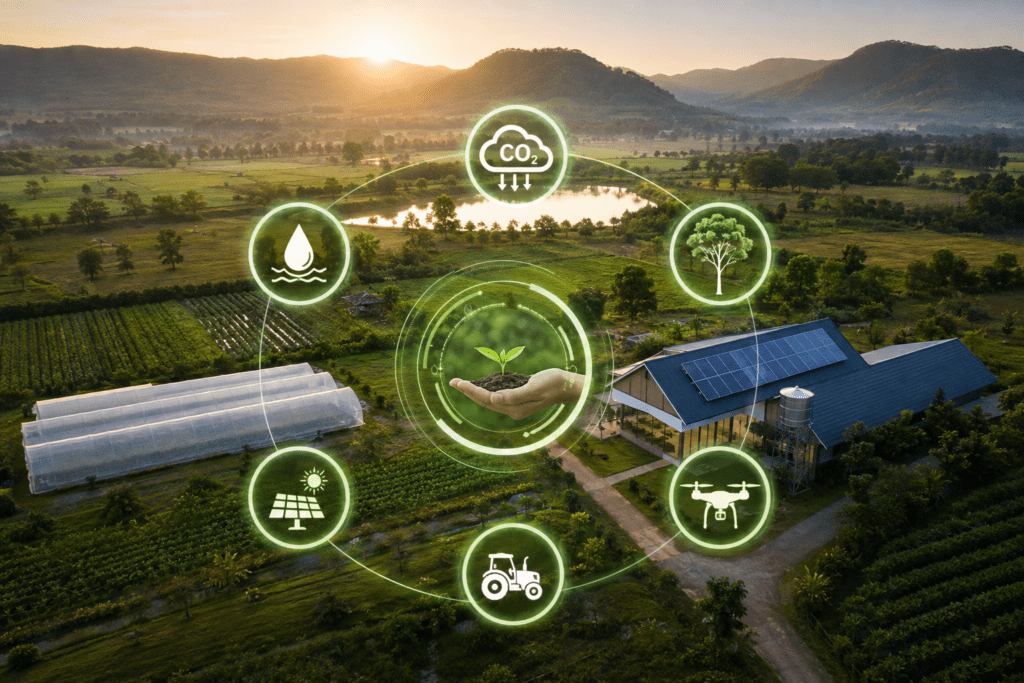
Valuing Ecosystem Services in Indian Farmland: The Rise of Natural Capital, Agritech and Sustainable Land Value
Indian farmland is entering a new phase. For decades, farmland value was judged mainly by location, soil quality, crop potential and access to growing cities. Today, investors are looking at a wider set of factors. Water conservation, soil health, tree cover, biodiversity and carbon management are becoming important parts of the farmland conversation. This shift is creating interest in natural capital and the potential economic value of ecosystem services.

Mechanization Is Driving a New Era for Southern India’s Plantation Estates
Southern India's plantation sector is entering a new phase of growth. Electric micro-tractors and agricultural drones are becoming more common across coffee, tea, pepper, and cardamom plantations. Farm owners are adopting these technologies to improve efficiency and reduce dependence on manual labour.

Budget 2026’s Carbon Market Push Could Unlock New Growth for India’s Managed Farmland
The Union Budget 2026 has reinforced India's commitment to building a low-carbon economy through significant investments in carbon management and the continued development of the country's carbon market ecosystem. While much of the government's focus is on reducing industrial emissions, the broader push toward carbon accounting and sustainable land management is expected to create new opportunities for India's managed farmland sector.

Venture Capital Surge in Indian Agritech and Proptech: Unlocking New Opportunities for Managed Farmland Investments
The recent inflow of over $1.08 billion into 18 Indian startups across agritech, proptech, and fintech marks a significant milestone for India's technology and agricultural sectors. While the funding primarily targets innovation-driven businesses, its impact extends well beyond startups. It is accelerating the modernization of farming, improving land management practices, and strengthening the foundation for professionally managed farmland investments.
