Investment
Market analysis, tax benefits and why farmland belongs in every smart portfolio.

India’s Agriculture Investment Story Gets Bigger in 2026 as Farm Infrastructure Attracts ₹1.33 Lakh Crore
India’s agriculture sector is increasingly becoming an important part of the country’s broader investment story. New government data released in June 2026 shows that public spending, farm infrastructure and private participation are helping agriculture move beyond traditional crop production.



More in Investment
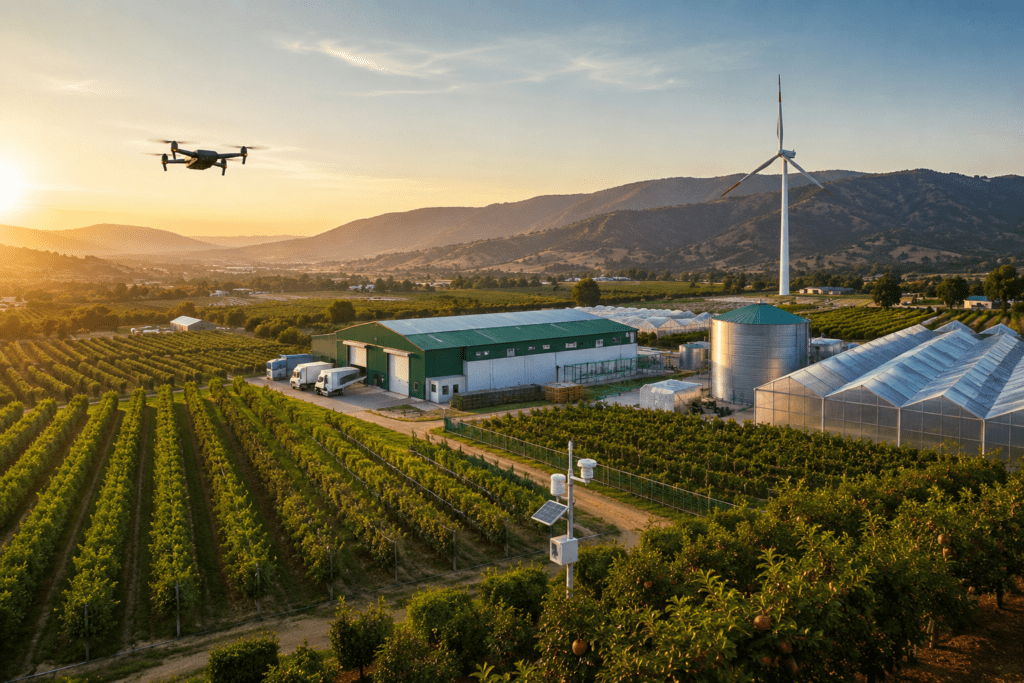
Institutional Farmland Gets a Major Boost as NABARD Launches ₹25,000 Crore Refinance Facility
India's managed farmland sector is entering a new phase of growth following NABARD's introduction of a ₹25,000 crore refinance facility aimed at strengthening agricultural infrastructure. The initiative is expected to improve access to financing for projects focused on high-value horticulture, climate-resilient farming, and cold-chain development. For investors, developers, and agribusiness companies, the announcement represents more than just additional funding. It signals stronger institutional support for modern farming and could accelerate the development of professionally managed agricultural projects across southern and western India. As financing becomes more accessible and infrastructure improves, managed farmland is increasingly being viewed as a long-term investment that combines productive agricultural operations with the potential for steady land appreciation.

How El Niño Is Changing the Future of Farmland Investment in India
Climate has always influenced Indian agriculture, but the return of El Niño weather conditions is expected to place even greater pressure on traditional farming systems. Reduced rainfall, unpredictable monsoons, and longer dry spells are creating serious challenges for rain-fed agriculture across central and southern India. While these weather patterns may impact crop production in many regions, they are also changing how investors view agricultural land. Instead of treating farmland as a passive asset, many high-net-worth individuals (HNWIs), institutional investors, and long-term wealth managers are increasingly looking at professionally managed farmland as a resilient, income-generating investment. Unlike conventional farms that rely heavily on seasonal rainfall, managed farmland projects equipped with modern irrigation, scientific crop planning, and sustainable water management are proving far better prepared to handle climate uncertainty. As a result, climate resilience is becoming an important factor in determining farmland value across India.
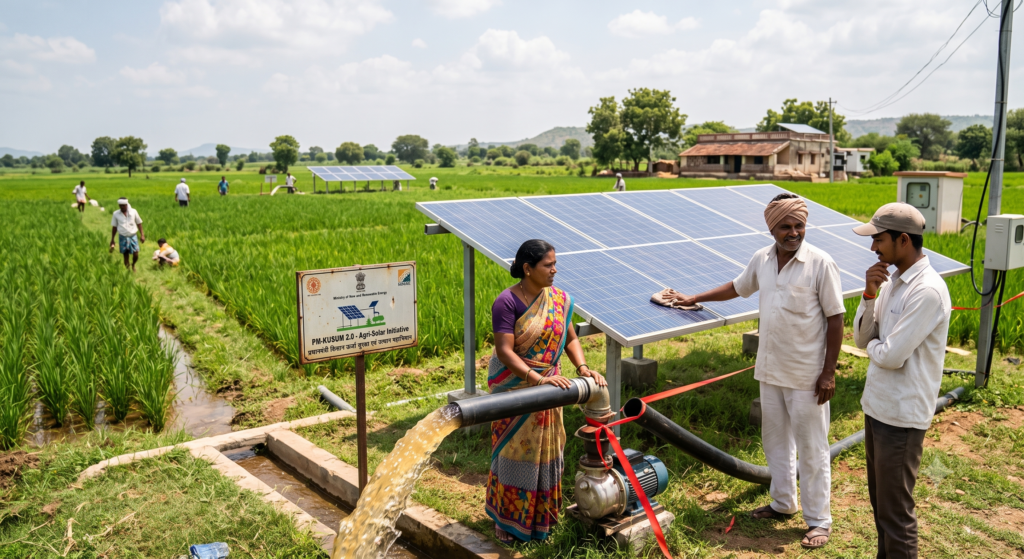
Government Prepares ‘PM-KUSUM 2.0’ to Expand Agri-Solar Power Across India
Building on the foundation of its flaghip agricultural solar program, the Ministry of New and Renewable Energy (MNRE) has unveiled plans for PM-KUSUM 2.0. The upgraded framework aims to accelerate the adoption of clean energy in the farming sector following the successful solarization of over 10 lakh agricultural pumps nationwide.
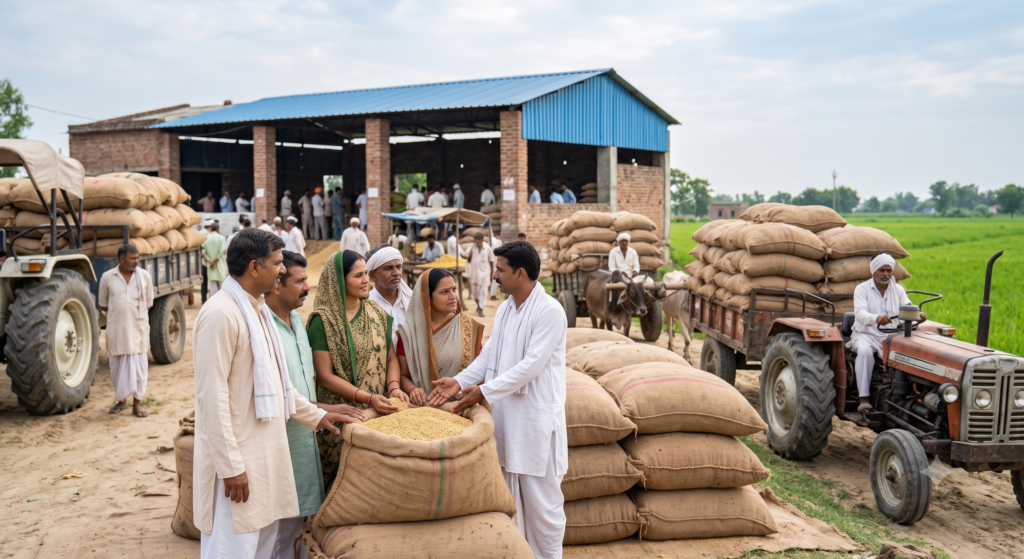
Government Announces Price Hikes for Kharif Crops Ahead of Sowing Season
To support agricultural incomes and offset rising production expenses, the Union Cabinet has cleared a revision in the Minimum Support Prices (MSP) for 14 major Kharif crops for the 2026–27 marketing period.
